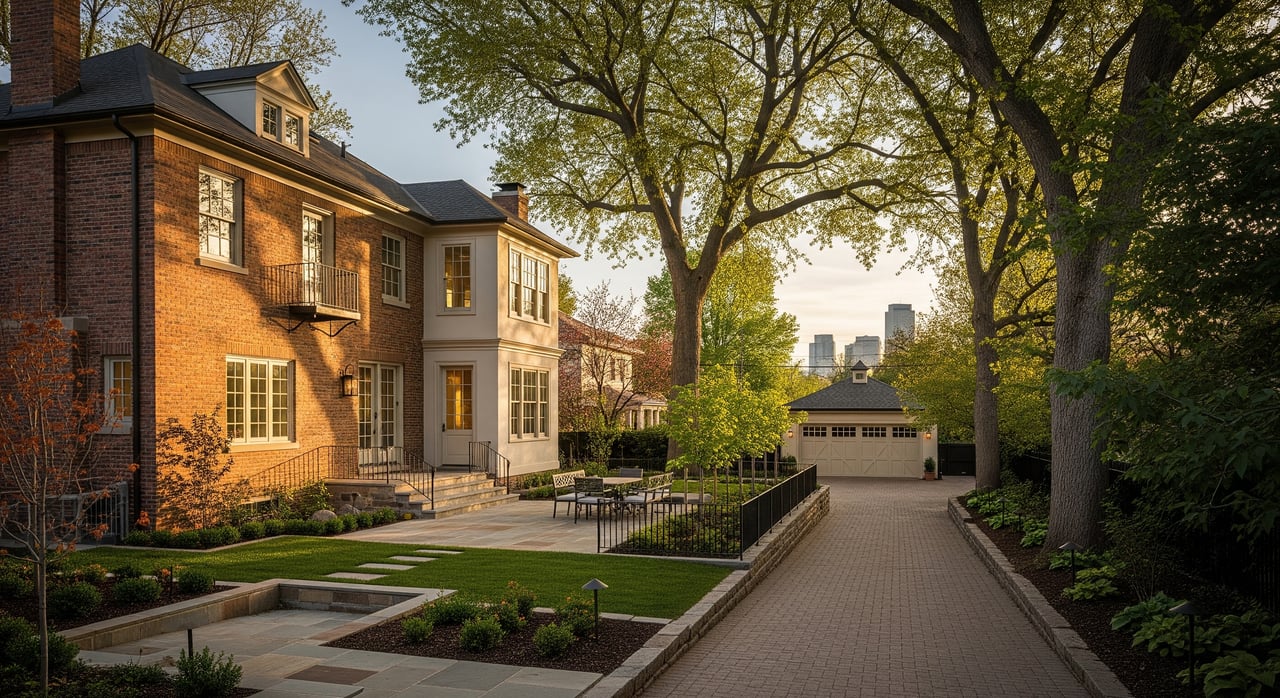
Trying to figure out if that charming Observatory Park bungalow has room for a 2-car garage or a future addition? You are not alone. In South Denver’s older blocks near the University of Denver, lot size and alley access drive what is possible for garages, expansions, and outdoor living. In this guide, you will learn the typical lot patterns, how alleys shape design choices, and what to check before you buy. Let’s dive in.
Why lot size and alleys matter
In Observatory Park, many parcels were created long before modern development codes. That older pattern gives the neighborhood its appeal, but it also sets real limits on where you can build and park. Lot width and alley access are the two biggest variables that affect future flexibility.
If you plan to add a detached garage, explore a second story, or design a great backyard, you need to understand the lot’s buildable area and access points. These details influence cost, permits, and daily convenience.
Common lot sizes in Observatory Park
Most blocks around Observatory Park follow classic Denver plats. The standards you will see most often include:
- Most common lot size: 50 by 125 feet. This is a frequent configuration that balances house footprint with a usable backyard.
- Narrower lots: 25 by 125 feet. These are common for older homes and some duplex or infill sites, where horizontal expansion is tight.
- Wider lots: 60 to 65 feet, or combined platted lots. These allow more side yard options and often more flexible site plans.
- Corner or irregular parcels. Shapes and depths can vary, which changes driveway choices and potential building envelopes.
Why this matters to you:
- Lot width controls side setbacks and whether a side addition or side-loaded garage can happen.
- Lot depth affects rear yard size, detached garage placement, and potential accessory dwelling unit (ADU) locations.
- Narrow 25-foot lots often push you toward vertical additions or interior reworks rather than bump-outs.
What setbacks mean for you
Setbacks, lot coverage, and height caps define the footprint you can build. In Denver, these rules are set by your specific zoning district, and they are not the same on every block.
Here is what to expect in general terms:
- Front yards often have modest setbacks to preserve the porch-forward streetscape. Some zones use a build-to range rather than a single number.
- Side yards are usually small in urban districts, especially on narrow lots. Attached or rowhouse forms can have reduced or zero setbacks in some districts.
- Rear yards tend to be deeper to allow detached garages, yards, and ADUs, but minimums vary by zone.
- Lot coverage and floor-area ratio (FAR) limit overall footprint and interior area. They are key when planning an addition or ADU.
- Accessory structures like detached garages and carriage houses follow their own placement and size rules, which can be different from the main house.
Other factors can shape your options:
- Historic or conservation review if the property is landmarked or within a designated area.
- Proximity to DU or other overlays that add design or use standards.
- Utility easements and recorded covenants that reduce the buildable area.
Bottom line: never assume standard setbacks. Verify the parcel’s zoning, any overlays, and recorded easements before you write an offer that assumes future construction.
Alley access: benefits and pitfalls
Alleys are common across Denver’s older neighborhoods, including Observatory Park. They were designed to keep service functions behind the house and to maintain a pedestrian-friendly street.
Benefits you will likely appreciate:
- Detached rear garages that do not interrupt the front facade.
- No new curb cut in many cases, which preserves the front yard and street character.
- Better construction access for rear additions or garages since materials can stage from the alley.
Practical constraints to watch:
- Alley width varies by block. Many are a single driving lane, which can limit turning radius into a garage and the ideal bay width.
- Utilities often run in alleys. Buried lines or easements can complicate excavation or require relocations.
- Maintenance and drainage can affect daily use, especially during freeze-thaw cycles or heavy rain.
If the lot does not back to an alley, a front-loaded driveway and garage may be the only option, which can change curb appeal and usable yard area.
Garages: rear, front, and ADUs
Your garage plan will follow the lot form and access:
- Rear-detached garages on alley lots. This is the neighborhood norm. You need enough lot depth and an alley wide enough for safe maneuvering. Door orientation and bay width may be limited by the alley’s geometry.
- Front-loaded attached garages on non-alley lots. Expect a driveway, curb cut, and front setback considerations. This can reduce porch space and change the home’s street presence.
- Converting garages to living space. This can add square footage, but it may remove off-street parking. Replacement parking or lender requirements can apply, so confirm standards before you commit.
- ADUs or carriage houses. Alley access and a deep rear yard make ADUs more feasible. Size, height, and parking rules vary by zoning and may include owner-occupancy requirements in some cases.
Tip: If a two-car rear garage feels tight on paper, model turning movements and door widths with a designer who understands typical Denver alley dimensions.
Planning additions that work
Additions depend on setbacks, lot coverage, and neighbor proximity. Common patterns include:
- Vertical additions on narrow lots. If you have 25 feet of width, going up is often more practical than a lateral expansion.
- Rear additions on standard 50 by 125 lots. These often fit within rear setbacks and preserve the street facade. Alley access can ease construction staging.
- Side additions on wider or corner lots. Feasible where side setbacks and lot coverage allow it, but confirm fire separation if close to a neighbor.
For any plan, confirm the zoning envelope, accessory rules, and any design review early. It is easier to adjust drawings than to redesign around a surprise utility line or an overlay standard.
Outdoor living and yard design
Rear yards on alley-served lots are usually where the action is. You can create patios and lawn areas with good privacy. Keep these design notes in mind:
- Alley orientation affects noise and privacy. Fencing, gates, and landscape buffers can improve comfort.
- Corner and wider lots allow side-yard patios or expanded hardscape without crowding the rear setback.
- ADU plus outdoor space can work on a 50 by 125 lot, but careful placement protects light, airflow, and sightlines.
Think about how cars, trash, and utilities move from the alley into your space. A tidy transition area by the garage keeps the patio pleasant.
Buyer checklist and next steps
Before you fall in love with a renovation vision, work through a targeted diligence list:
Confirm zoning and overlays. Identify the parcel’s zoning district and any historic, conservation, or institutional overlays. These control setbacks, height, lot coverage, ADUs, and design review.
Get the plat and a current survey. Verify lot width, depth, and any recorded easements or encroachments. Do not rely on old marketing drawings.
Check the alley’s status. Determine if the alley is a public right-of-way or a private easement. Note width, condition, drainage, and utility placements.
Review permit and title history. Look for past garage projects, additions, or conversions to understand what was permitted and how the current footprint came to be.
Locate underground utilities. Identify sanitary, storm, gas, and electric lines in the rear yard or alley that could affect excavation or foundation placement.
Assess logistics for construction. Consider how materials will be staged, where crews will park, and whether alley width accommodates deliveries.
Engage local professionals early. A Denver-savvy architect, contractor, or permit expert can model the building envelope, car maneuvering paths, and likely permit timelines.
Budget for time. Small projects can take weeks for approvals. Larger additions, ADUs, or any request for a variance can take months and may involve neighbor notifications or hearings.
Check financing and insurance. Some lenders have rules on ADUs or nonconforming structures. Confirm insurability of alley-facing garages and any required upgrades.
Use this checklist when comparing two homes that look similar online. The better alley, wider lot, or cleaner survey can save you time and money after closing.
Practical tradeoffs to weigh
Every lot type offers something different:
- Alley lots usually preserve a porch-forward look, fit detached garages and potential ADUs, and keep the front yard open. Watch alley width, utilities, and drainage.
- Non-alley lots may need a front garage and driveway, changing curb appeal. In return, you might gain a simple site plan with fewer utility conflicts.
Focus on how you live day to day. If you value a quiet patio and hidden parking, an alley lot can be a strong fit. If you prefer a short driveway and easy snow shoveling, a front-loaded plan might be fine.
How I help in Observatory Park
You deserve clear, local guidance when lot lines and alleys decide the future flexibility of your home. With deep experience across central Denver’s established neighborhoods, I help you read the parcel, understand the code context, and spot hidden opportunities or red flags before you write an offer.
If you want a tailored walkthrough of specific blocks near DU, or a second opinion on garage and addition feasibility, reach out to Julie Winger to schedule a neighborhood consultation. Together we will align your wish list with the lots that truly fit.
FAQs
What are the most common lot sizes near Observatory Park?
- You will most often see 50 by 125 feet and, on some blocks, 25 by 125 feet; wider 60 to 65 foot parcels and combined lots also appear.
How does alley access change garage options?
- Alleys typically allow a detached rear garage and preserve the front facade, but alley width and utilities can limit door orientation, bay width, and turning radius.
Can I add a second story on a 25-foot lot?
- Often yes, but it depends on your zoning envelope, height limits, and lot coverage; narrow lots tend to favor vertical additions over side bump-outs.
Are ADUs feasible in Observatory Park?
- Many alley-served lots can support an ADU if zoning allows it, and size, height, and parking rules are met; always confirm your parcel’s standards.
What should I verify before planning a rear addition?
- Confirm zoning setbacks, a current survey, alley status and width, utility locations, and prior permits; engage a local architect to test the building envelope.
Do alleys belong to homeowners or the city?
- Many alleys are public rights-of-way managed by the city, though some older plats use private easements; verify status for your block during due diligence.
Will converting my garage to living space hurt resale?
- Losing off-street parking can reduce flexibility for future owners; check code and lender expectations before removing a garage, especially on narrow lots.
How long do permits take for additions or ADUs?
- Small permits can move in weeks, while larger additions, ADUs, or variances often take months and may trigger neighbor notifications or hearings.