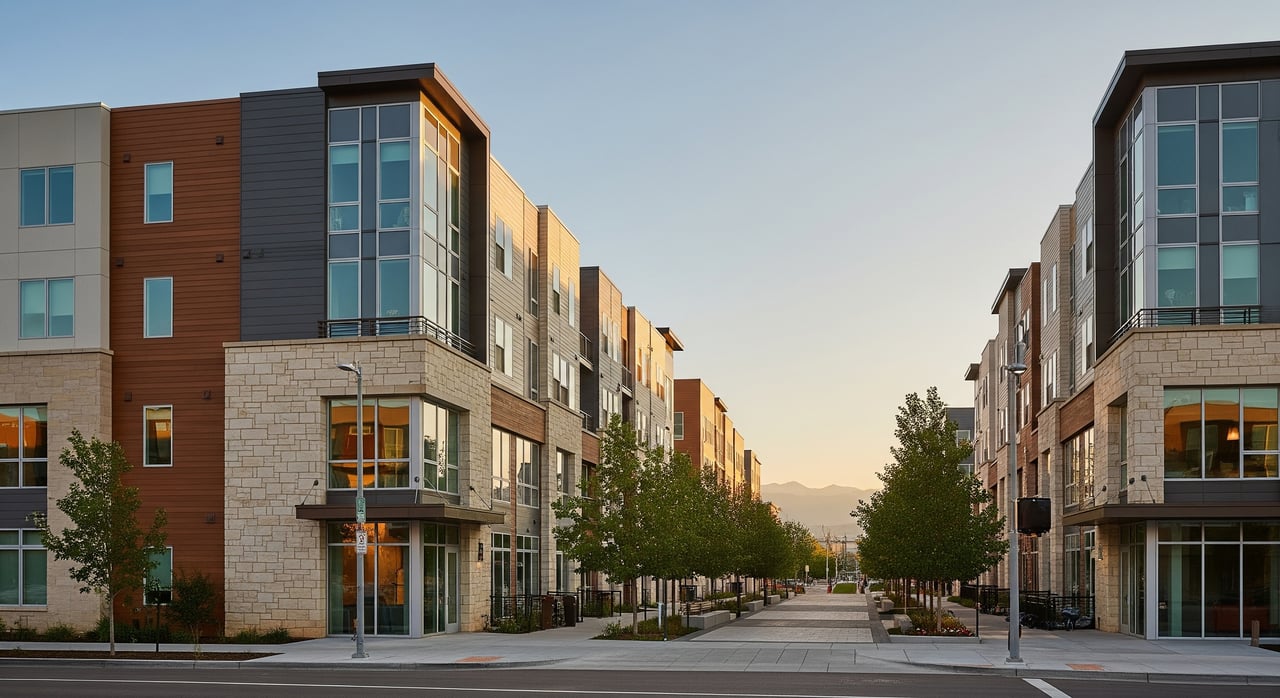
Trying to choose between Conservatory Green, the South End, or blocks near Northfield in Central Park? In this master-planned Denver community, a shift of just a few blocks can change your routine, your HOA fees, and even your resale appeal. If you want a walkable park vibe, easy transit, or a quieter street with a bigger yard, the micro-district you pick matters. This guide breaks down the most commonly referenced areas, what lives well in each, and how to compare blocks before you tour. Let’s dive in.
Central Park at a glance
Central Park is a large, phased redevelopment of Denver’s former Stapleton Airport. Over two decades, it added an 80-acre namesake park, smaller pocket parks, mixed-use retail, and a range of homes from condos to detached single-family. The phased build created distinct micro-districts with different densities, finishes, and amenity access. Names and boundaries vary by source, so treat them as approximate and verify details during your search.
How micro-districts differ
The biggest differences come down to housing type, density, and proximity to anchors like the central park, transit, and retail. Park-adjacent blocks often trade private yard space for green views and walkability. Station-area blocks concentrate condos and rentals with quick train access. Later-phase single-family pockets can deliver newer systems and quieter streets, but may sit farther from early town-center amenities. HOAs vary across condos and townhomes, so factor fees and included services into your monthly cost.
Micro-district profiles
Conservatory Green
- Character: Park-centric living near Central Park’s larger green spaces. Often described as a village-green feel with town-center energy.
- Housing: Mid to higher-density townhomes, condos, and some rental buildings. Select low-rise mixed-use pockets may include ground-floor retail.
- Amenities and access: Direct access to larger park lawns, playgrounds, and trail connections. Walkable to neighborhood retail and cafes.
- Lifestyle tradeoffs: Pros include strong walkability and easy park access. Cons can include higher density, more condos and rentals, and limited private yards.
- Buyer fit: You want a lively, park-forward daily routine and you are comfortable with HOAs and attached living.
South End
- Character: Southern and southeastern blocks with a more residential feel. Labels vary, but this area often reads as quieter and more suburban within the city.
- Housing: Predominantly detached single-family with larger floor plans; some attached options along corridors.
- Amenities and access: Local pocket parks and neighborhood schools nearby, plus quicker car access to arterials depending on the block.
- Lifestyle tradeoffs: Pros include larger yards and more private outdoor space. Cons may include a longer walk to central village retail and possible exposure to arterial noise on certain edges.
- Buyer fit: You want more square footage and a backyard, with a home-base feel on tree-lined residential blocks.
Northfield retail edge
- Character: A major shopping and dining hub that sits adjacent to the eastern side of the community. It is a convenience anchor for residents.
- Housing: Mixed-use buildings, apartments above retail, and rental complexes along the immediate edges.
- Amenities and access: Large retail anchors, restaurants, services, and entertainment with plentiful parking.
- Lifestyle tradeoffs: Pros include short trips to groceries, dining, and errands. Cons include retail traffic and a more commercial feel on adjacent blocks.
- Buyer fit: You value convenience and quick errands. Investors may also note consistent rental demand near retail hubs.
Station-area blocks
- Character: Transit-oriented pockets near Central Park Station along the A Line. These blocks are built for commuters.
- Housing: Higher-density rentals, condos, and mixed-use buildings oriented to rail and bus connections.
- Amenities and access: Direct access to the commuter rail for downtown or airport trips, plus a denser mix of services nearby.
- Lifestyle tradeoffs: Pros include a low-drive commute and strong transit access. Cons include higher density and potential rail activity during peak periods.
- Buyer fit: You want fast, predictable transit and are comfortable with a more urban feel.
Newer single-family pockets
- Character: Later-phase residential blocks with a quieter pace and modern floor plans.
- Housing: Detached single-family homes with yards, newer systems, and energy-efficient features.
- Amenities and access: Residential streets with easy car access and neighborhood parks; distance to earlier-built retail and town centers varies.
- Lifestyle tradeoffs: Pros include new-construction finishes and low immediate maintenance. Cons can include fewer mature trees and higher prices in some cases.
- Buyer fit: You want newer systems and a detached home, and you are willing to be a bit farther from early retail nodes.
Price, inventory, and resale drivers
- Park proximity: Homes facing or steps from larger green spaces often command premiums, especially condos and townhomes with direct views or access.
- Transit convenience: Station-adjacent properties attract commuters and can concentrate condos, rentals, and investor interest.
- Retail adjacency: Convenience near Northfield is a plus for many buyers, but traffic and a commercial feel may affect demand on the closest blocks.
- Phase and finishes: Later-phase homes can carry a premium for newer construction. Values often settle as the immediate area matures.
- HOA effects: Monthly dues shape total cost of ownership and resale comps. Compare fees and included services across buildings or townhome rows.
- Comp selection: Micro-district reputation and setting persist in values. Use comps from similarly situated blocks to avoid misleading comparisons.
What to look for on a tour
Use this quick checklist to evaluate homes block by block:
Physical setting
- Housing type and density: detached home, townhome, condo, or mixed-use.
- Lot orientation: alley access, detached garages, backyard size, and sun exposure.
- Year built or phase: earlier build vs newer infill and how that shows up in finishes and systems.
- Street maturity: tree canopy and overall feel.
Amenities and access
- Distance to Central Park’s major lawns and your nearest pocket park.
- Proximity to groceries, pharmacy, coffee, and the primary retail node you will use.
- Walk route to Central Park Station or bus stops if transit matters to you.
Transportation and noise
- Exposure to arterials like I-70, 56th Ave, or MLK Blvd.
- Train activity if you are near station-area blocks.
- On-street parking availability compared with deeded parking or garages.
Community and services
- HOA size, dues, and what is included such as landscaping, snow removal, or building insurance.
- School assignment verification via Denver Public Schools boundary lookup.
- Trash and recycling schedules and other municipal service notes.
Risk and constraints
- Location relative to stormwater retention basins or engineered low areas.
- Any nearby construction or planned infill that could affect noise or views.
- Zoning overlays or planned commercial nodes that may change traffic patterns.
How to compare blocks with confidence
Because micro-district names and boundaries are informal, verify what matters most for your decision. Confirm the parcel location on city planning or parcel viewer maps, and match that to neighborhood association resources for parks and amenities. Cross-check current inventory, HOA details, and recent comps through MLS data. If transit is a priority, review station maps and schedules so you understand real walking routes and timing.
Planning your next step
If you want direct park access, favor Conservatory Green or other park-facing blocks. If you want a larger yard and more space, the South End and southern single-family pockets are worth a close look. For low-drive living, station-area blocks near Central Park Station can simplify your commute. If newer systems and modern layouts top your list, later-phase single-family pockets may fit best. A focused, block-by-block tour will make the tradeoffs clear.
Ready to map your shortlist and tour with a plan? Reach out to Julie Winger to schedule a neighborhood consultation tailored to how you want to live in Central Park.
FAQs
What are Central Park’s main micro-districts?
- Commonly referenced areas include Conservatory Green, the South End, station-area blocks near Central Park Station, the Northfield retail edge, and newer single-family pockets.
Where can I live closest to big parks?
- Park-adjacent blocks such as Conservatory Green and areas facing larger green spaces offer the most direct access, with more condos and townhomes in the mix.
Which areas have larger yards and more space?
- Southern and peripheral blocks often called the South End or later-phase single-family pockets typically offer larger detached homes and more private outdoor space.
What should I expect near the station-area blocks?
- Higher-density condos and rentals with quick rail access for commuters; activity and potential rail noise may be higher during peak travel times.
How does living near Northfield affect day-to-day life?
- You gain short trips to shopping, dining, and services, while blocks closest to the retail core can experience more traffic and a commercial feel.
How do HOAs vary across Central Park?
- Many condo and townhome buildings include HOAs with different dues and services; compare fees, what is included, and reserve strength when you evaluate options.
What is the best way to verify boundaries and comps?
- Use city parcel maps and the neighborhood association for location context, then confirm current inventory, HOA details, and sold comps through MLS data before you write offers.