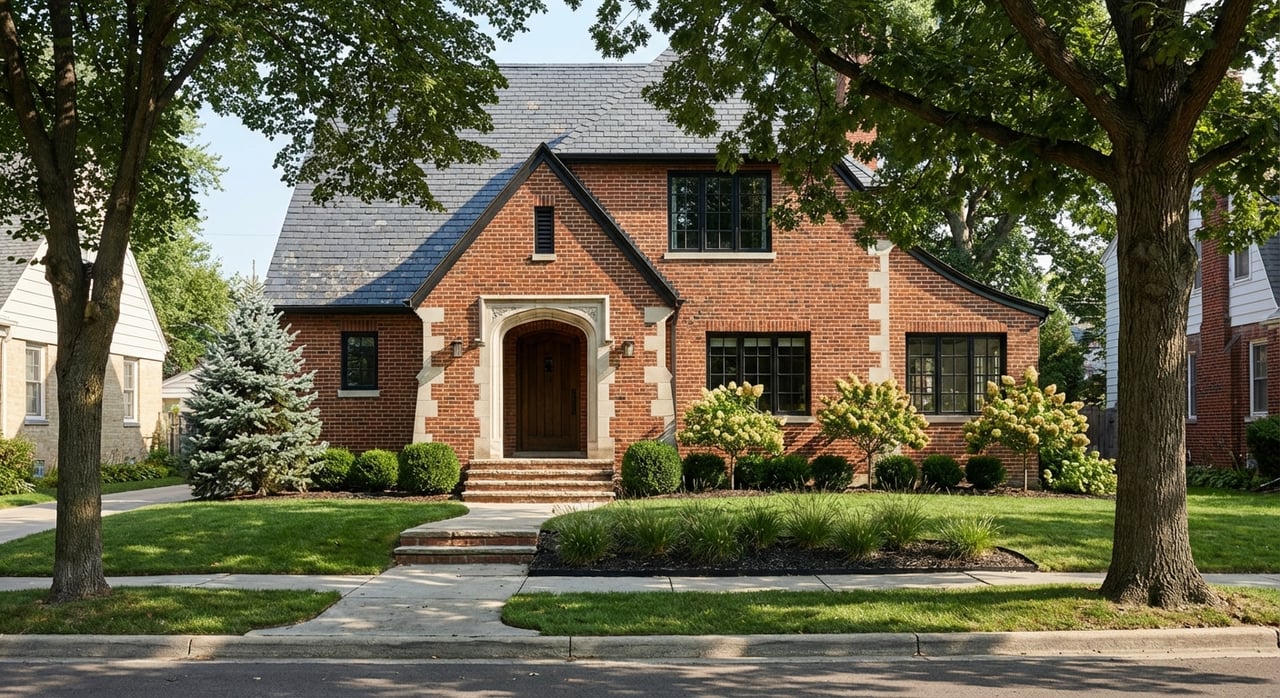
If you’re drawn to tree-lined streets, classic brick homes, and weekends at City Park, Park Hill may already be on your shortlist. You want a neighborhood with history and everyday convenience, plus a clear read on price, transit, schools, and what to look for in older homes. This guide gives you a practical overview of Park Hill so you can shop with confidence. You’ll learn where it sits, how the housing varies by block, what current pricing looks like, and the amenities and planning changes to watch. Let’s dive in.
Where Park Hill sits
Park Hill stretches east of City Park and is commonly described in three parts: Northeast Park Hill, North Park Hill, and South Park Hill. It is roughly bounded by Colfax Avenue to the south, Colorado Boulevard to the west, 52nd Avenue to the north, and Quebec/Syracuse Streets to the east. The neighborhood grew from late‑19th‑century dairies and brickyards into a streetcar‑era residential district with mature trees and boulevards like Montview. You feel that history in the blocks of early 20th‑century homes and the neighborhood’s calm, established character. The Denver Public Library’s neighborhood history guide offers a great overview.
Homes and architecture
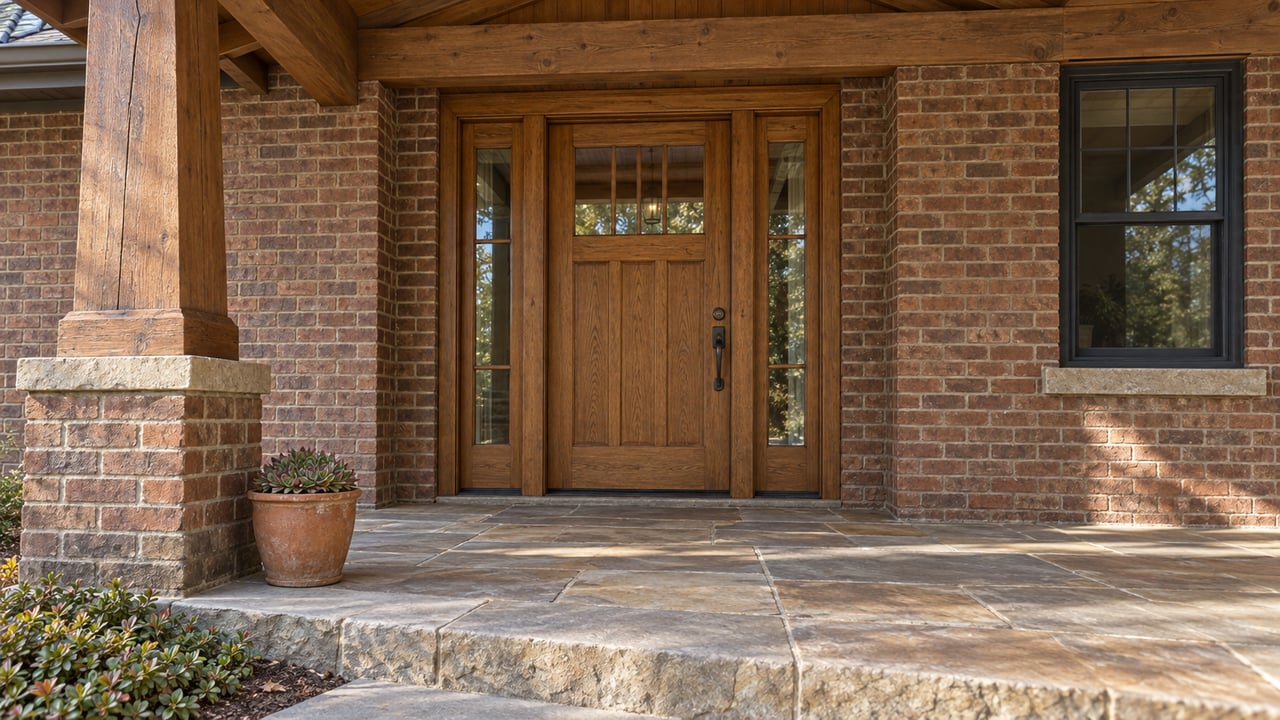
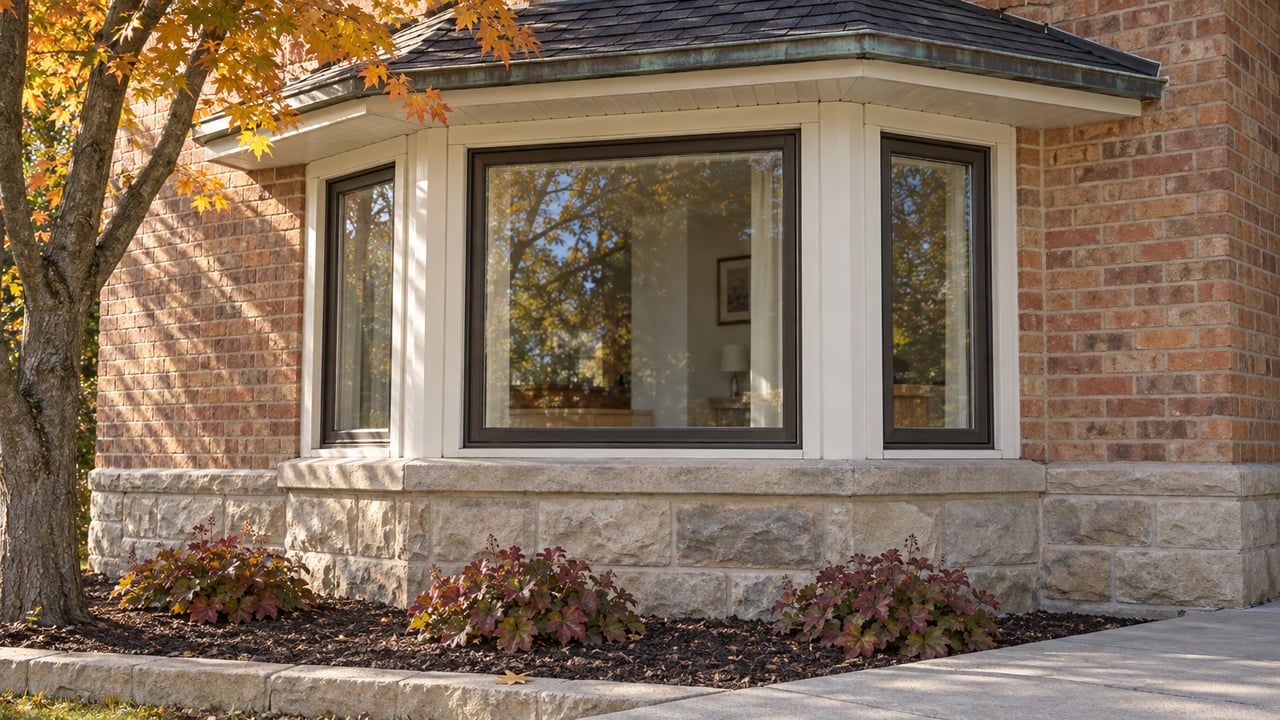
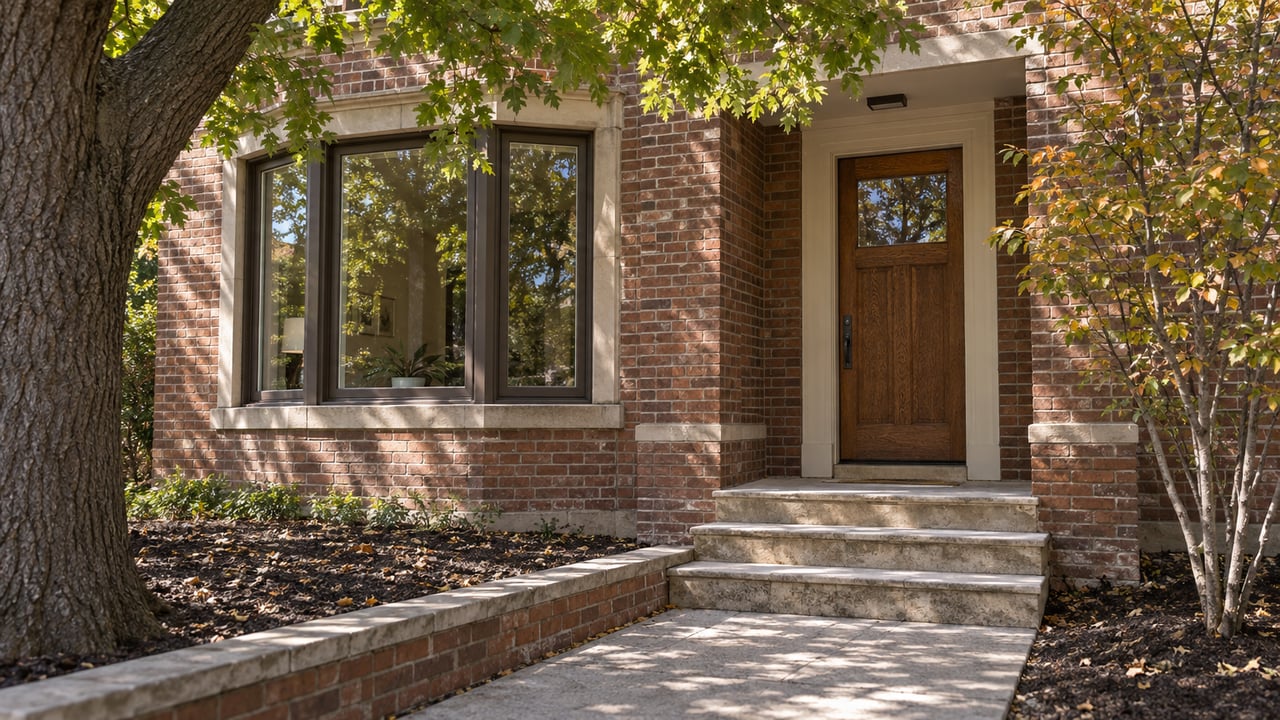
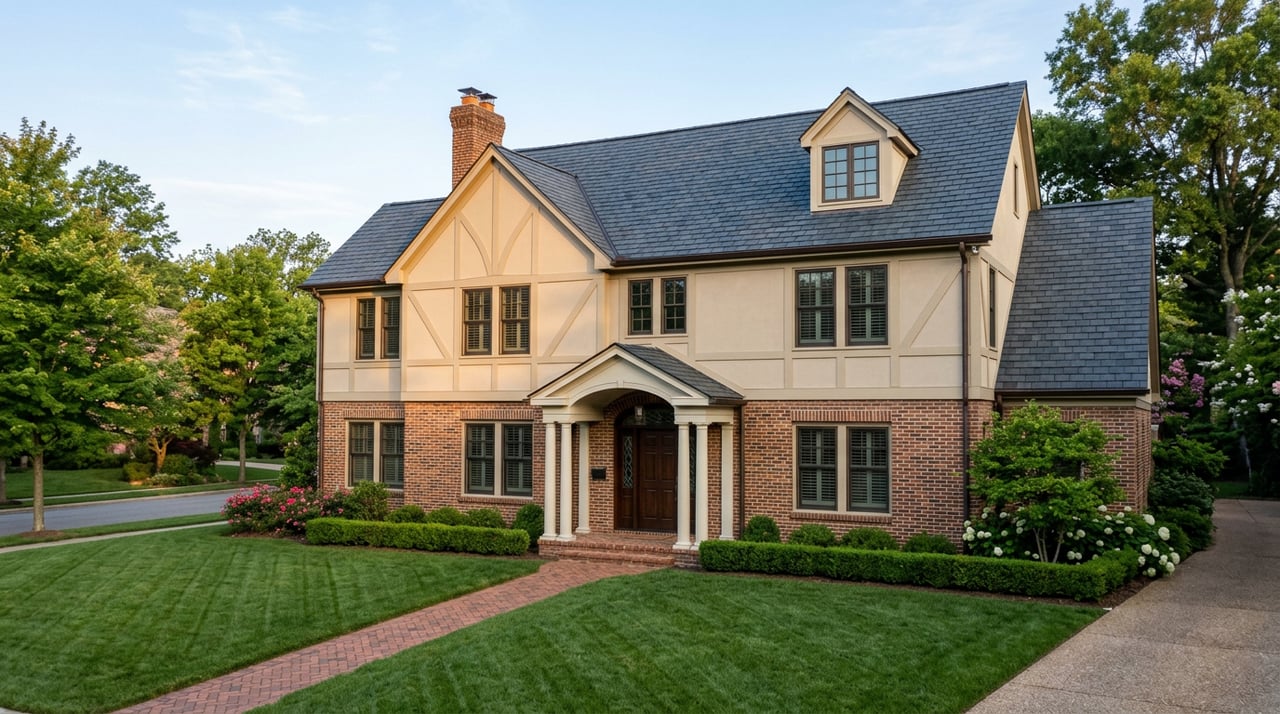
You’ll find a wide mix of classic Denver homes in Park Hill. Common styles include brick bungalows and Denver Squares, Tudor and Colonial Revival cottages, ranches and other mid‑century homes. South Park Hill adds some architect‑designed and Spanish Eclectic examples, while pockets of duplexes and newer infill townhomes appear throughout.
Because many homes were built between the 1900s and 1950s, expect original materials and details alongside modern updates. Some properties are individually landmarked or sit within locally designated areas, which may add review steps for exterior work. If character and provenance matter to you, Park Hill’s housing stock delivers a timeless look paired with central‑city convenience.
Prices and micro‑markets
Park Hill isn’t a single price point. It contains several micro‑markets shaped by lot size, location, and condition. In a recent snapshot, Redfin’s Park Hill page showed a median sale price around $677K and about 40 days on market (January 2026). Other services reported higher medians in mid‑2025, and prices often run higher in South Park Hill where larger lots and updated homes are common.
Here’s what that means for you:
- Entry points tend to show up in North and Northeast Park Hill, especially smaller ranches and homes ready for renovation.
- Well‑updated homes on larger lots, often in South Park Hill, draw more interest and stronger prices.
- Days on market and sale‑to‑list ratios shift with condition, timing, and sub‑area. Check live data during your search for the most current snapshot.
What to expect during inspections
Older homes are wonderful, but they deserve a careful look. A licensed home inspector should be your first call. For Park Hill’s age range, pay special attention to:
- Roof, windows, and insulation
- HVAC, water heater, and ventilation
- Electrical (including older wiring or panels)
- Plumbing supply and waste lines
- Foundation, grading, and drainage
- Kitchens and baths that may need updates
If a home is locally landmarked, exterior changes can require additional review. Plan your renovation timeline with that in mind. The Denver Public Library’s neighborhood guide offers useful historical context to frame those conversations.
Schools and family services
Park Hill Elementary is the neighborhood boundary school and a visible community anchor. Because Denver Public Schools operates boundary and School Choice policies, always verify current boundaries, enrollment, and timelines on the Park Hill Elementary site. Many families also consider district magnets and charters. Programs like Denver School of the Arts can influence where families choose to live, though admissions and transportation options change over time.
Families often point to the Dahlia Campus for Health & Well‑Being as a key resource. The campus offers integrated mental‑health services, an inclusive preschool, pediatric dental services, and community food programs. Explore services and enrollment details on WellPower’s Dahlia Campus page.
Getting around and commute
One of Park Hill’s draws is proximity to downtown and the central city. As a baseline, the U.S. Census reports Denver’s mean travel time to work at about 25.4 minutes (2019–2023 estimate). You can view that city‑level benchmark on Census QuickFacts. Your actual time will vary by destination and mode.
Transit and bike options are solid for many addresses. Walk Score’s Park Hill page rates much of the neighborhood as “Some Transit” and “Very Bikeable,” and lists nearby bus routes by block. Major car corridors include Colorado Boulevard on the west and East Colfax to the south, with 23rd Avenue and Martin Luther King Jr. Boulevard as cross‑town connectors. Many buyers weigh garage space and off‑street parking needs alongside lot size and tree coverage.
Parks and weekend life
City Park sits just west of Park Hill and anchors weekend routines for many residents. It’s home to the Denver Zoo and the Denver Museum of Nature & Science, plus seasonal events like summer concerts. If easy access to green space and cultural attractions matters to you, City Park is a standout amenity. Learn more about the park’s features on the City Park overview.
Closer to home, Park Hill has neighborhood anchors like the Park Hill Branch Library and the institutional corridor along Montview Boulevard. Small commercial nodes on Montview and 23rd Avenue offer dining and services, with larger retail just beyond the neighborhood edges.
Park Hill Park: the big change to watch
The former Park Hill Golf Course is being transformed into Park Hill Park, a new 155‑acre public regional park. This is the largest park addition in Denver in decades and will roll out in phases with trails, fields, and open‑space uses. Follow updates on planning, design, and community engagement on the city’s Park Hill Park project page.
What to consider as a buyer:
- Proximity to a large new park often increases neighborhood demand over time.
- Access points, programming, and timeline are still evolving and will shape the long‑term impact.
- If you’re comparing homes, note how each location would connect to future trails and open space.
Planning, equity, and neighborhood change
With a major new park on the way, the city’s Park Hill Action Plan is focusing on affordable housing, anti‑displacement strategies, small‑business support, and safe, equitable connections to the park. For context on goals and community input, review the city’s Park Hill Action Plan page. If you value long‑term neighborhood stability and access, it’s helpful to understand how these discussions may shape future development and retail.
Buyer checklist for Park Hill
Use this quick list to stay organized during your search:
- Define your sub‑area fit. South Park Hill tends to offer larger lots and higher price points; North and Northeast Park Hill can present more entry‑level options and renovation activity.
- Verify your school plan. Confirm current boundaries, School Choice timelines, and transportation options with DPS and the Park Hill Elementary site.
- Budget for updates. Older homes often need mechanical or systems upgrades. Get estimates from licensed contractors early.
- Follow Park Hill Park progress. Check the city’s project page for phasing and access details.
- Check commute options. Use Walk Score’s Park Hill snapshot and route planners to compare bus, bike, and driving times.
- Review safety data by block. Crime patterns change over time. Research city and open‑data sources; this peer‑reviewed overview discusses using open data for local context: neighborhood safety data practices.
Ready to explore Park Hill with a guide who knows historic homes and block‑by‑block nuance? Reach out to Julie Winger to start a tailored search and walk the options together.
FAQs
What and where is Park Hill in Denver?
- Park Hill is an established neighborhood east of City Park, commonly described as Northeast, North, and South Park Hill, with boundaries roughly at Colfax, Colorado Blvd., 52nd Ave., and Quebec/Syracuse.
How much do homes cost in Park Hill in 2026?
- Prices vary by sub‑area and condition; a recent snapshot showed a median near $677K with about 40 days on market, but South Park Hill often runs higher. Check current Redfin data during your search.
What types of homes will I find?
- Expect brick bungalows, Denver Squares, Tudors, Colonial Revivals, ranches, and mid‑century homes, with some duplexes and newer infill townhomes, plus occasional architect‑designed properties.
How long is the average commute from Park Hill?
- Commute times depend on your route and mode. As a city benchmark, Denver’s mean travel time to work is about 25 minutes; Park Hill’s central location often makes trips shorter. See Census QuickFacts.
What is Park Hill Park and why does it matter?
- The city is converting the former Park Hill Golf Course into a 155‑acre regional park with trails and fields. Proximity to new open space may increase long‑term demand. Follow updates on the project page.
Are there historic‑district rules in Park Hill?
- Some properties are landmarked or in locally designated areas, which can require review for exterior changes. Plan timelines and budgets accordingly and discuss with your agent and inspector.
How are schools assigned and what should I verify?
- Park Hill Elementary is the neighborhood school, but DPS School Choice and magnet programs influence assignments. Confirm boundaries, enrollment, and transportation on the school’s site.
Is Park Hill walkable and transit‑friendly?
- Many blocks score “Some Transit” and “Very Bikeable,” with nearby bus routes listed by address. Compare options using Walk Score’s Park Hill page.