Thinking about buying near the University of Denver and wondering how Observatory Park and the surrounding University Park neighborhood actually live day to day? You are not alone. Proximity to campus is a big draw, but the real value lies in the details you notice on the block — lot size, alley access, on‑street parking rules, and whether a home sits inside a historic district. This guide breaks down what those details mean for your lifestyle and long‑term plans so you can shop with confidence. Let’s dive in.
Why DU proximity and the park matter
Observatory Park itself spans two city blocks between Evans and Iliff Avenues, Fillmore and Milwaukee Streets, and it anchors the neighborhood’s green, residential feel. You will often hear the immediate area called “Observatory Park,” while the larger neighborhood is University Park. The park’s lawns and tree canopy create a calm pocket surrounded by residential blocks and easy access to main corridors. You get the feel of a classic Denver neighborhood with amenities close at hand.
If walkability to campus is a priority, DU notes the park is about a 10‑minute, half‑mile walk from campus core. That is a simple, real‑world metric for day‑to‑day life if you are heading to classes, teaching, or visiting campus facilities. The nearby light‑rail station and bus routes make it easy to travel across the city without driving every time. For some buyers, this relieves parking pressure and makes the area even more convenient.
What the housing actually looks like
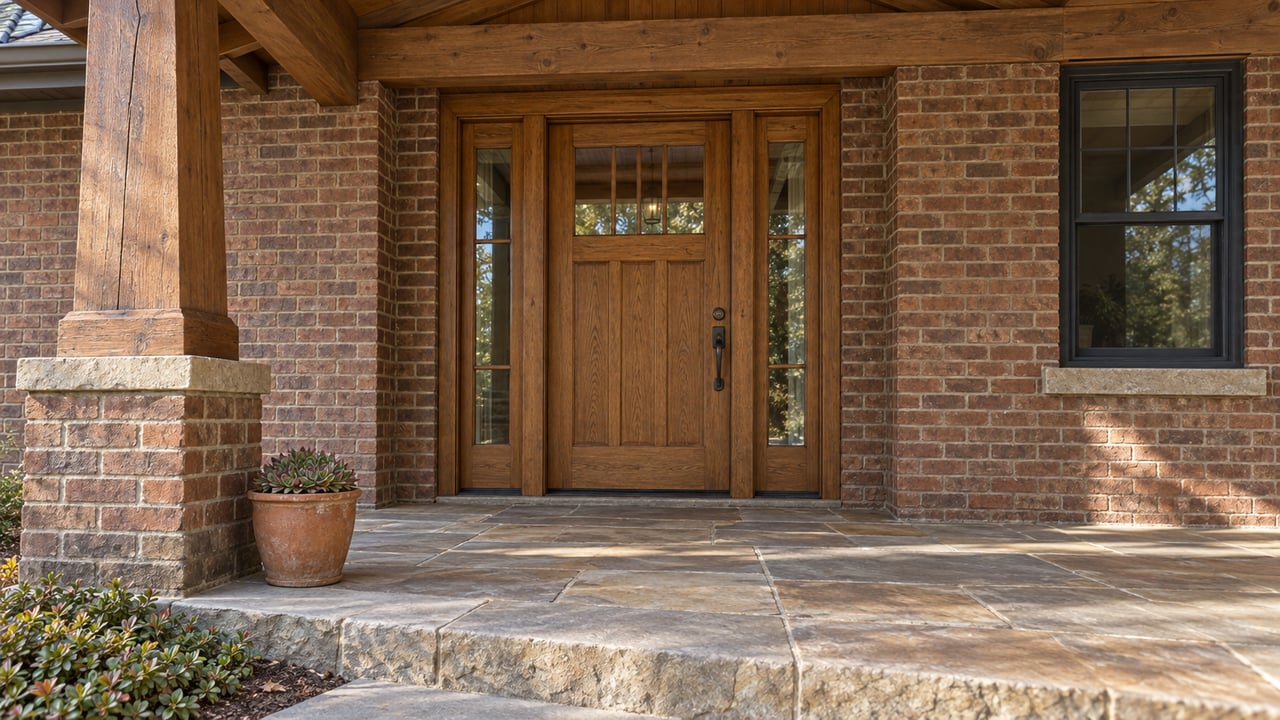
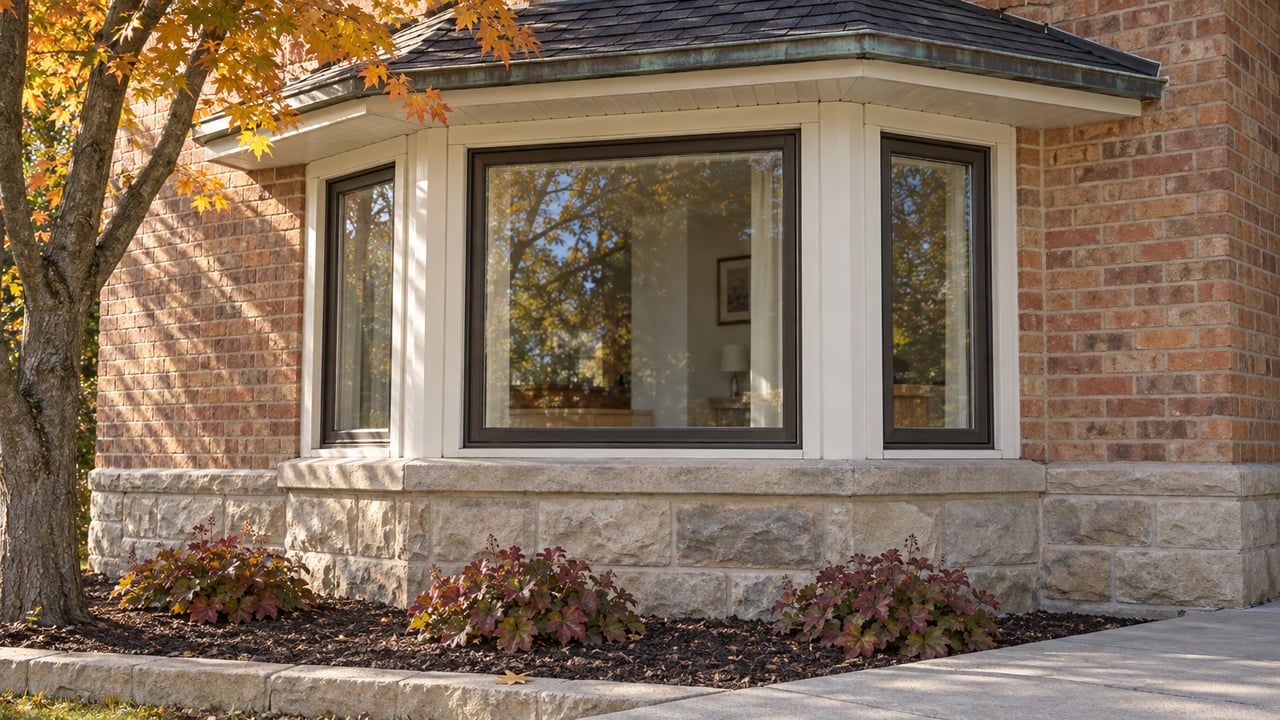
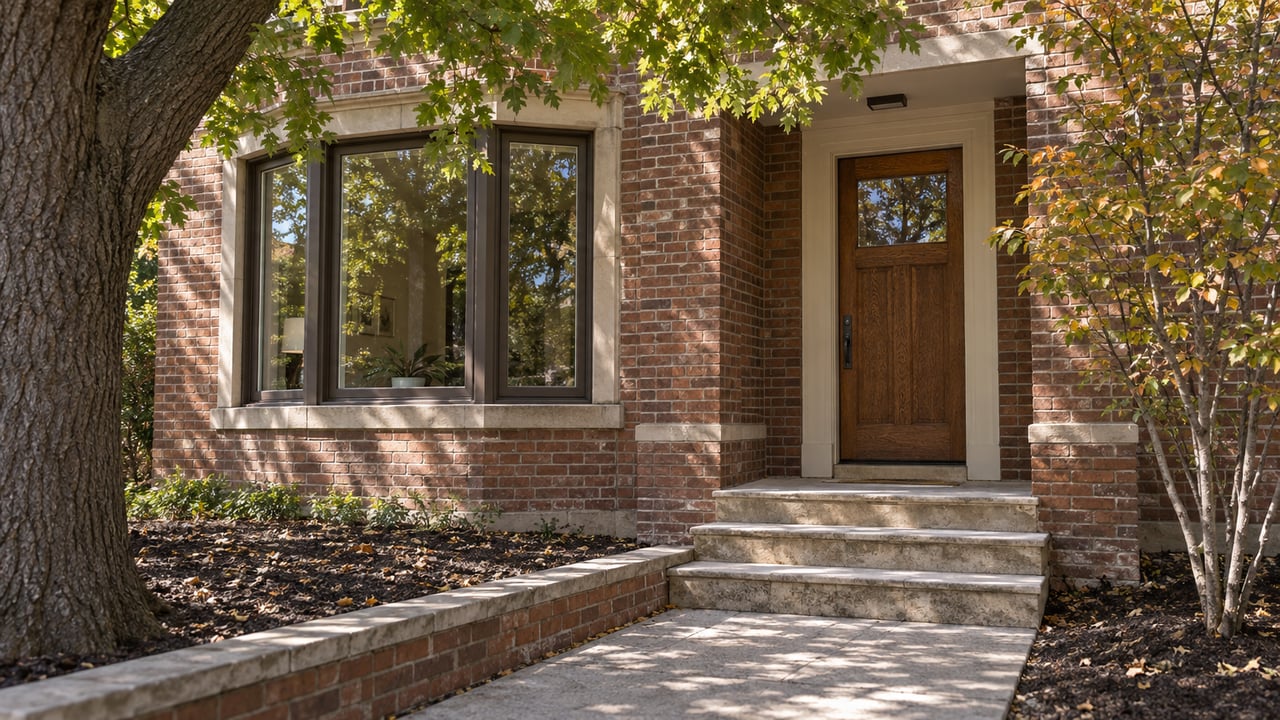
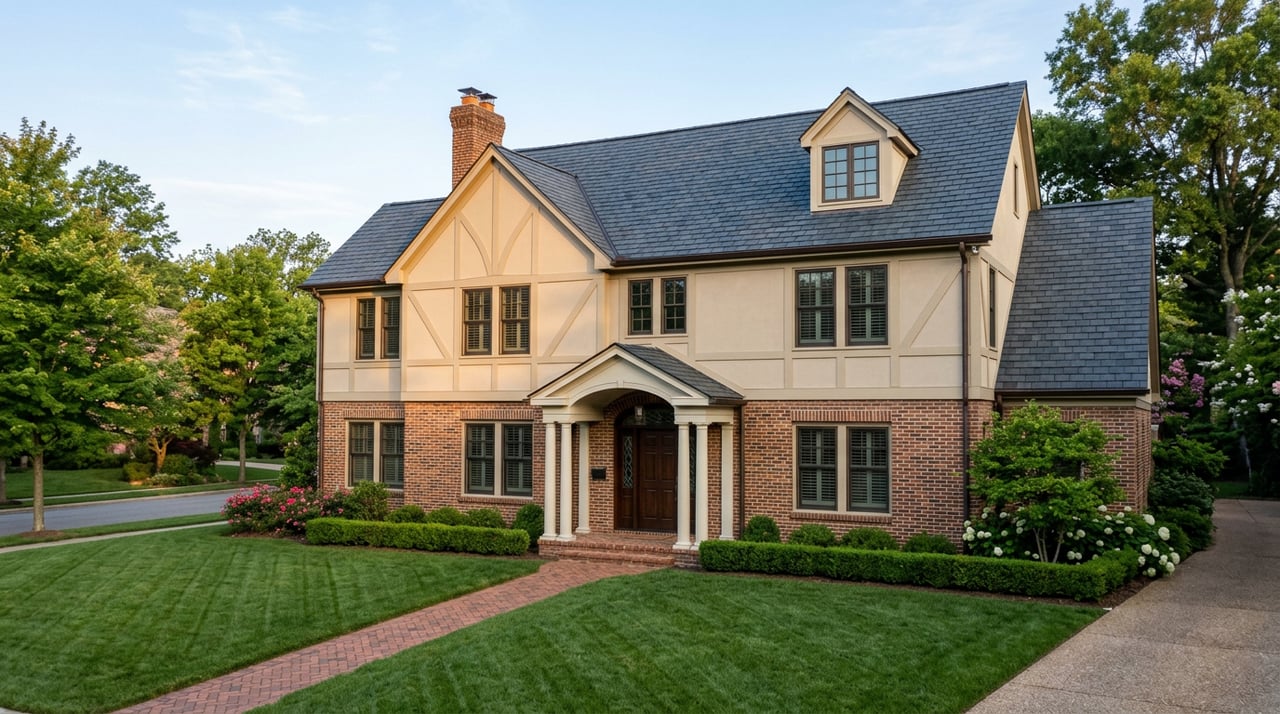
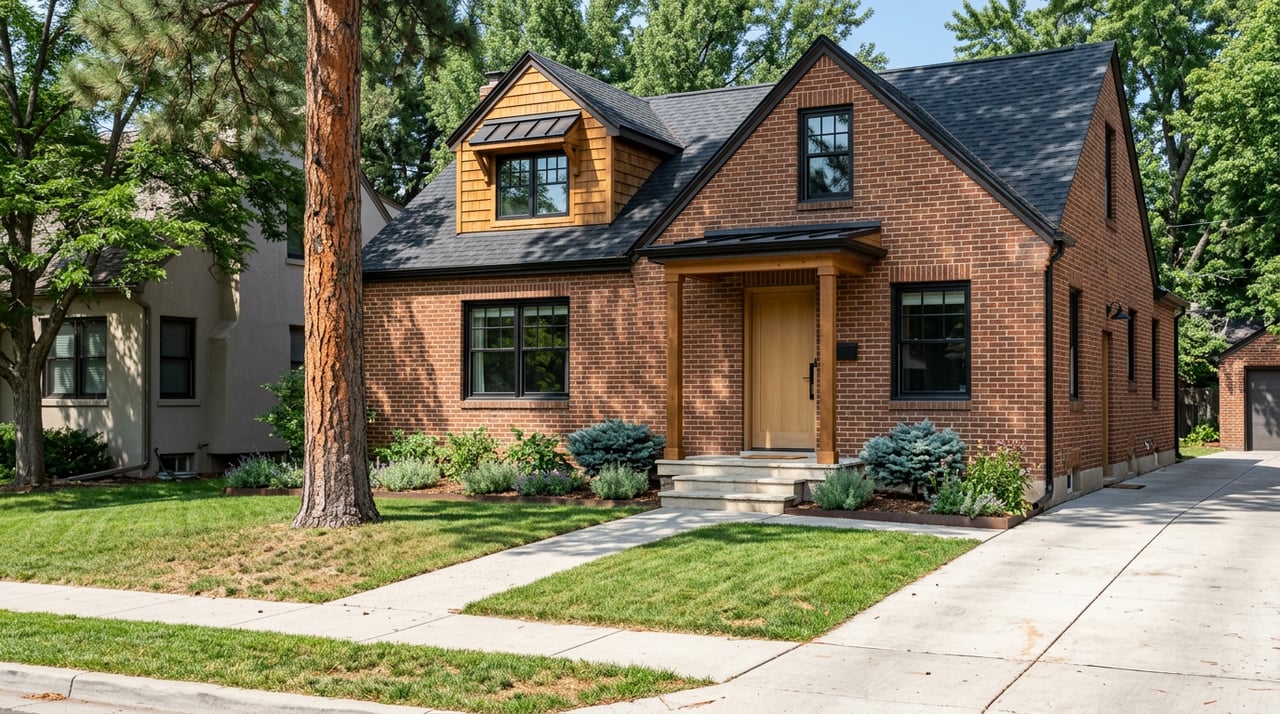
The neighborhood mixes original early‑20th‑century bungalows and cottages with mid‑century ranches, plus a steady stream of new construction and infill on larger or combined lots. This is not a uniform area, so expect real variety block to block. You will see original bungalows next to renovated homes and custom builds, often on the same street. That diversity gives you options at different price points and styles.
Lots and alleys: why they matter
A classic Denver lot pattern in older neighborhoods is about 50 by 125 feet, with some narrower 25‑foot parcels and wider combined lots. Many blocks have alleys behind the homes, which is a big deal in practice. Alley access makes it easier to add a detached two‑car garage, tuck parking out of sight, and maintain a porch‑forward street. If a property backs to a public alley, it usually offers better options for garages and potential ADUs than a non‑alley lot. For a deeper look at how alleys and lot sizes work on these blocks, review this neighborhood‑focused overview of lot sizes and alley access.
When you evaluate a home, confirm the actual lot dimensions and any easements before assuming a two‑car garage or backyard project will fit. A recent survey and the recorded plat will answer those questions and help you plan upgrades with fewer surprises.
ADUs and zoning: what to check first
Denver updated its ADU policy citywide in late 2024 to expand where and how ADUs can be built. If an ADU is part of your plan, verify the property’s current zoning district and read the city’s ADU standards for height, setbacks, and owner‑occupancy rules. Not every lot can host a two‑story ADU, and design requirements can change what is feasible. Start with the city’s Citywide ADUs page, then confirm specifics for the address you are considering.
Historic district basics
As of spring 2024, City Council approved a discontiguous University Park Historic District. Only a subset of properties are included, but if a home is in the district it may be subject to design review for exterior changes and restrictions on demolition. Always verify whether a specific address is inside the district and check Landmark Preservation records before you plan an addition or exterior project. You can review the City Council action and documentation for context.
Streets, traffic, and everyday livability
The neighborhood follows Denver’s classic grid, with tree‑lined streets, detached sidewalks, and alleys behind many lots. These patterns support porch‑front living and backyard‑oriented outdoor space on alley‑served blocks. It is a pleasant, walkable streetscape that reinforces a residential feel.
Arterials and quiet pockets
Nearby corridors — University Boulevard, Colorado Boulevard, Evans Avenue, Iliff Avenue, and I‑25 to the north — carry most of the traffic. Blocks that sit right on these arterials or near the retail stretches will be busier and experience more drive‑by noise. Interior mid‑block parcels and park‑facing locations are typically quieter. When you preview a home, map its exact position relative to the arterials to decide what trade‑off between convenience and quiet fits your lifestyle.
Transit and campus connections
The University of Denver Station is served by the E and H light‑rail lines, and local bus routes like the 21 on Evans and the 24 on University run along nearby corridors. DU also provides transit information and commuter resources that can be helpful for faculty and staff. Transit access increases convenience for many buyers and can reduce daily driving. It does not eliminate on‑street parking demand, but it can change how you use your garage and driveway.
On‑street parking and permits
Denver’s Department of Transportation and Infrastructure operates a Residential Parking Permit program. Some blocks participate in RPP zones, which means eligible addresses can apply for permits and visitor passes with time limits for non‑permit holders. If you will rely on curb parking for multiple cars or frequent guests, check whether the block is in an RPP zone and review the current permit rules and application steps. Also note that street‑sweeping schedules and winter or overnight rules can affect curb availability seasonally, so confirm enforcement windows before you assume a predictable curb routine.
What drives price and value here
You will see a wide price band in Observatory Park and the broader University Park area because the housing stock ranges from smaller original homes to large custom builds. Neighborhood summaries in early 2026 reported a 12‑month median sale price around 1.27 million dollars, and the average price per square foot near the mid‑400s. Shorter‑window snapshots often swing based on the mix of properties that sold that month. Treat any median or average as a starting point and rely on a fresh, block‑specific comp set when you are ready to write an offer.
Key value drivers to weigh when comparing homes:
- Lot width and depth. A standard 50×125 lot allows a more flexible buildable envelope than a 25‑foot‑wide lot, which can impact future expansion plans and backyard utility.
- Alley access. Rear alleys improve options for detached garages and ADUs and keep driveways off the street, which many buyers prefer.
- Proximity to the park and DU. Park‑facing or interior locations trade quiet and green space against convenience to retail and transit.
- Historic‑district status. Inclusion can protect character and stabilize the streetscape, but it adds design review for exterior changes.
- Recent new‑build activity on the block. Multiple recent teardowns and custom builds can push land values higher and set the tone for future comps.
As a rough orientation, older bungalows and small ranches often trade in the mid‑ to high‑six figures into the low‑seven‑figure range, depending on condition and lot. Renovated homes and larger new construction frequently land in the 1.5 to 4 million dollar range, driven by lot size, design, and finishes. Prices move quickly, so check live comps right before you act.
Block‑by‑block buying tips
Every block has a feel. Here is how to read it:
- Park‑front and near‑park blocks. These locations often command a premium for quiet and direct access to green space.
- Alley‑served interior blocks. Great for hidden parking, detached garages, and potential ADU opportunities, while keeping the street’s porch‑forward character.
- Near University Boulevard, Evans Avenue, and other corridors. Expect easy access to transit and retail, along with more traffic and event‑day parking pressure. Weigh what matters most to you.
- Blocks with active infill. A cluster of recent new builds signals developer interest and can lift land values. It also hints at future construction activity on or near the street.
Your due diligence checklist
Before you write an offer that assumes future changes or expansion, verify these items for the specific address:
- Confirm zoning and ADU feasibility. Read the city’s ADU standards and then confirm the parcel’s zoning district to see what form, height, and setbacks are allowed.
- Pull the plat and a current survey. Verify lot width and depth, alley location and width, easements, and any odd angles or encroachments.
- Check historic‑district status. Verify whether the property sits inside the University Park Historic District or has an individual landmark designation and what that means for exterior work.
- Review block‑level parking rules. Is the block in an RPP zone, and what are the time limits or permit types available for that address? Note street‑sweeping months and any winter or overnight rules.
- Review permits and records. Look up building‑permit history and any recorded renovations to spot unpermitted work or open permits that could complicate closing.
- Visit at multiple times. Check the block on a weekday midday, a weekday evening, and a weekend to see commute parking, campus event spillover, and general noise levels. DU events at the Ritchie Center or on campus can change curb demand.
Make your DU‑area search efficient
Buying near DU rewards careful, block‑by‑block evaluation. When you know how lot dimensions, alleys, ADU rules, and historic status affect a home, you can compare apples to apples and plan your next steps with confidence. That is where a neighborhood specialist makes a difference — someone who can read the street, flag trade‑offs in real time, and negotiate with the details in mind.
If you are ready to explore Observatory Park and University Park with a consultative, data‑informed approach, let’s talk. Schedule a neighborhood consultation with Julie Winger to map your wish list to the right blocks, preview off‑market opportunities, and craft a winning plan.
City documentation of the University Park Historic District
DU walking and pedestrian info, including Observatory Park routes
Transit resources and RTD connections for DU
Denver’s Residential Parking Permit program
Citywide ADU updates and rules
Lot sizes, alleys, and how they shape options
Historic Denver streetscape and lot pattern context
FAQs
How far is Observatory Park from DU and is the walk practical?
- DU cites Observatory Park as roughly a 10‑minute, half‑mile walk from campus, which makes daily trips realistic for classes, offices, and events.
Can I build an ADU on a typical University Park lot?
- Maybe, but do not assume; confirm the property’s zoning district and read Denver’s ADU standards for height, setbacks, and any owner‑occupancy rules before you plan.
How does on‑street parking work near DU homes?
- Many blocks use Denver’s Residential Parking Permit program with time limits for non‑permit holders, so check the block’s RPP status and current enforcement windows.
Is my address inside the University Park Historic District?
- Only some properties are included; verify an address with Denver Landmark Preservation records and review Council documentation to understand design‑review implications.
Do alleys really change livability or resale?
- Yes; alley‑served lots usually allow rear garages, cleaner curb appeal, and potential ADU options, which many buyers value when comparing similar homes.