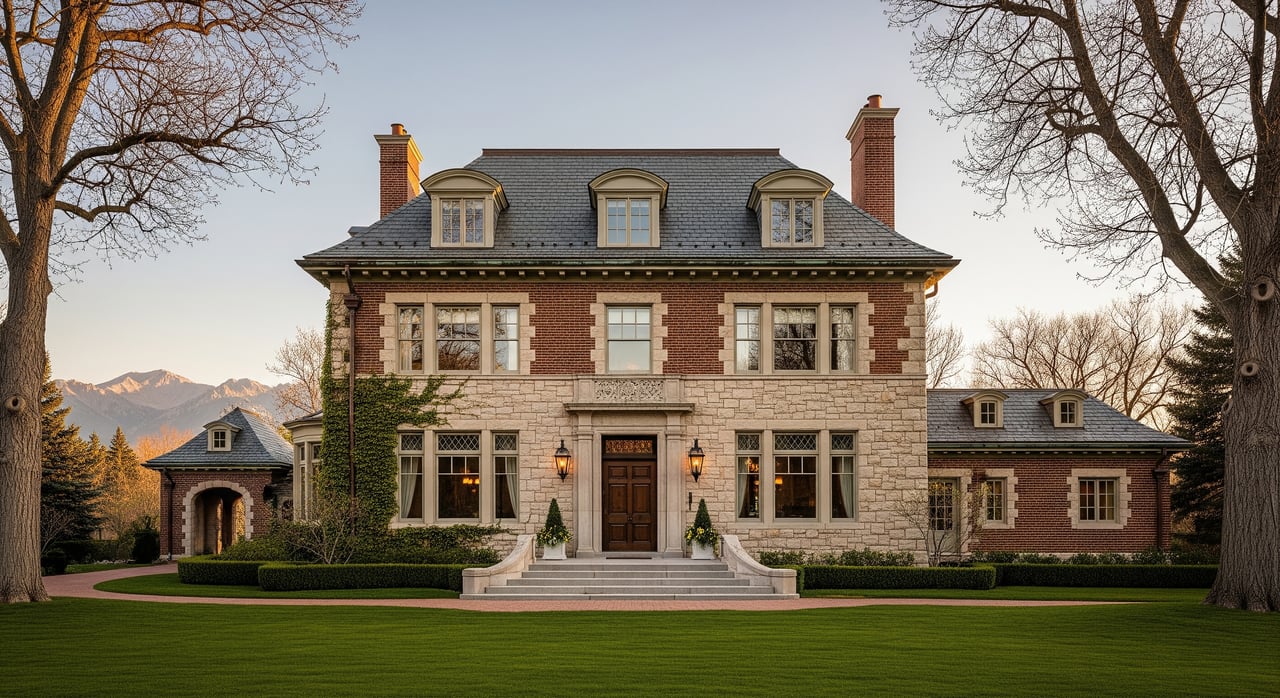
Love the look of original millwork, leaded glass, and clay tile roofs, but not sure what they mean for everyday living and resale? If you are buying or selling in Denver’s Country Club neighborhood, understanding these historic details is a real advantage. You want the charm, comfort, and confidence that come from knowing what to preserve, what to update, and how to present it well. This guide walks you through the signature features, livability considerations, maintenance priorities, and smart marketing moves for historic homes in Country Club. Let’s dive in.
Country Club’s historic character at a glance
Country Club’s core was built in the late 19th and early 20th centuries and a defined area is recognized as a historic district. The neighborhood’s identity comes from cohesive streetscapes and high-quality materials that set it apart. You see the continuity in rooflines, masonry, and mature landscaping that frame each residence. This context helps buyers and sellers understand what makes a home feel authentic.
Architectural styles you’ll see
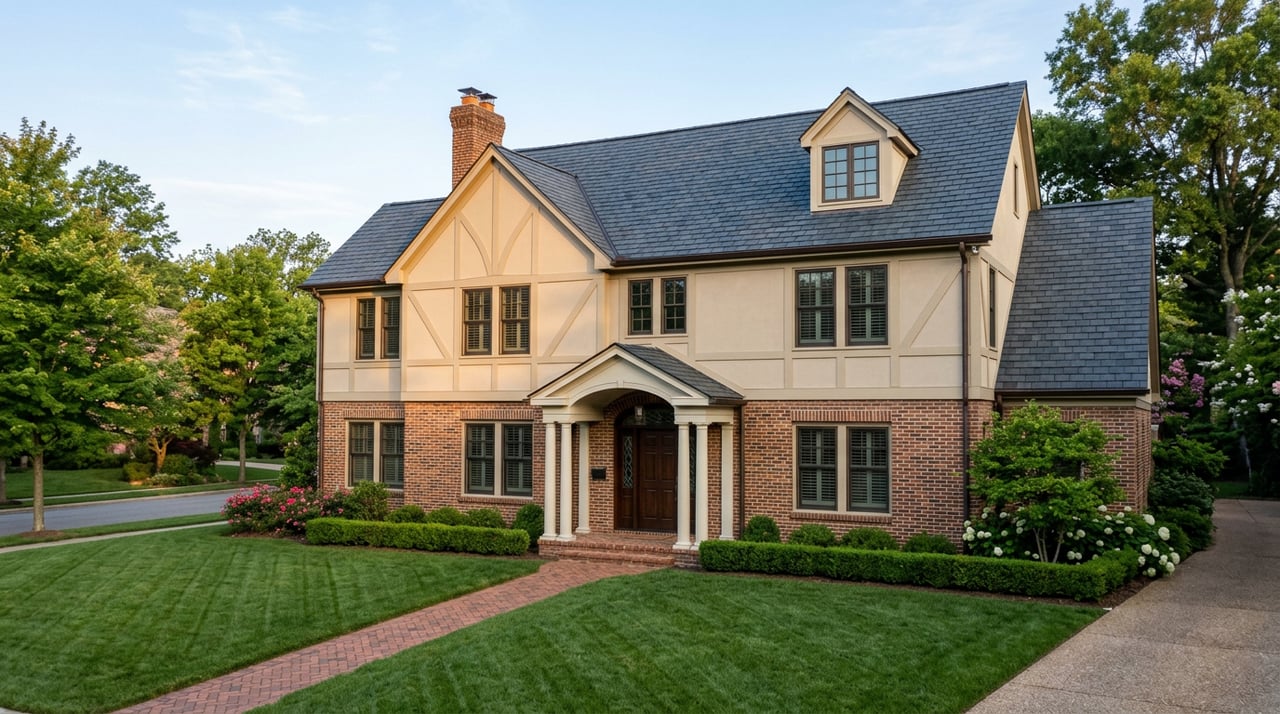
You will find Tudor Revival with decorative half-timbering, Colonial or Georgian Revival with symmetrical facades, and Mediterranean or Mission Revival with stucco walls and tile roofs. Some homes show Prairie-influenced lines and Craftsman details. These styles reflect residential design trends from roughly 1900 to 1940. Recognizing the style helps you evaluate which features are original, compatible, or later additions.
Exterior materials and setting
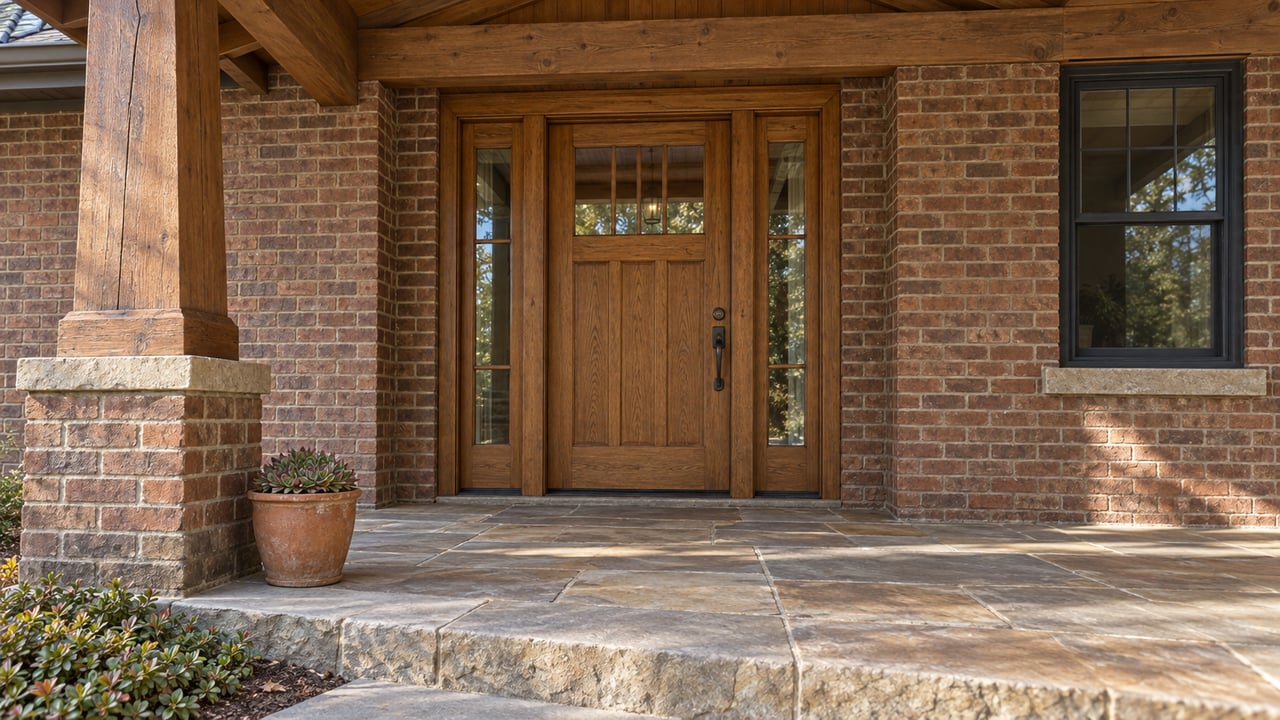
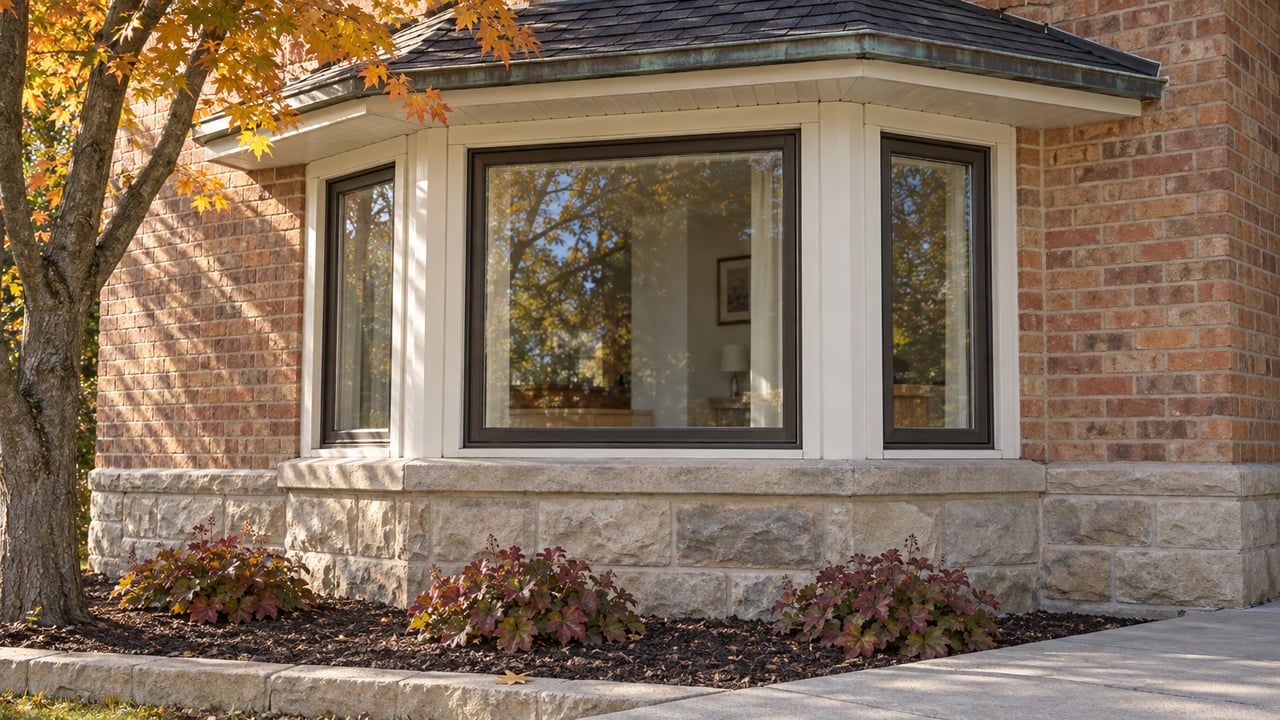
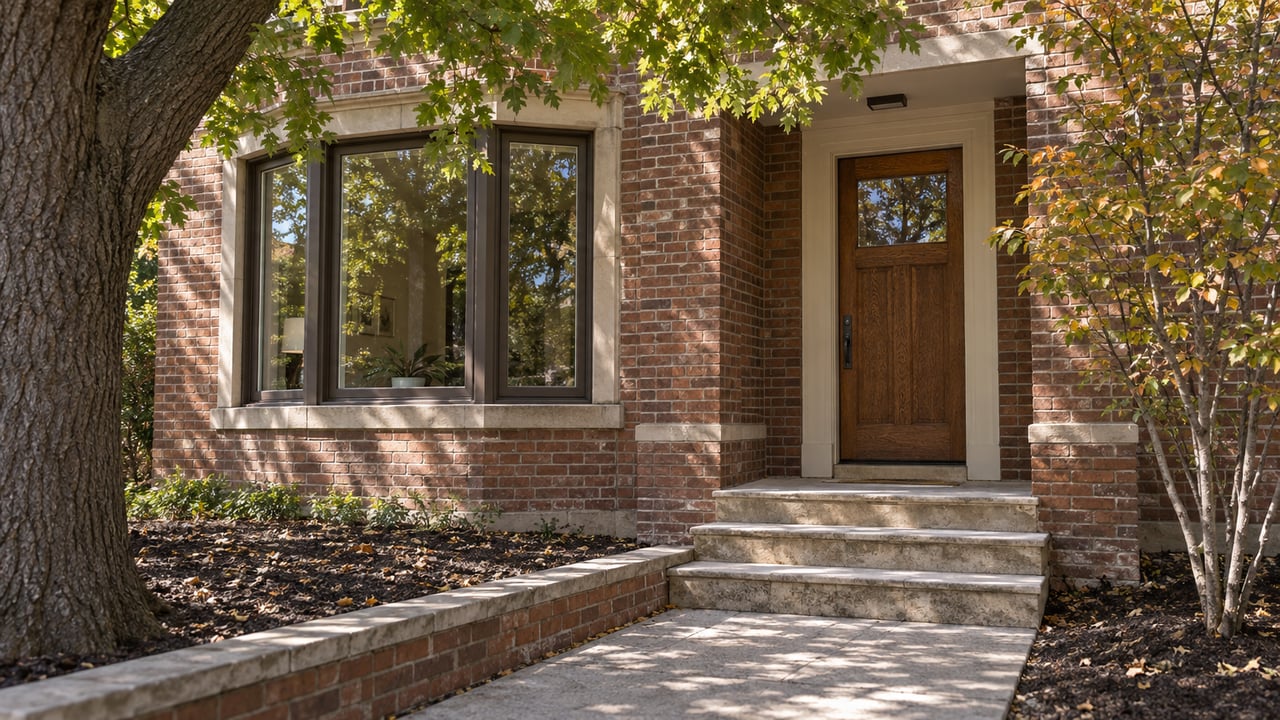
Expect brick and stone masonry, stucco cladding, and clay tile or slate roofing on higher-end examples. Details like terra-cotta ridge elements, exposed rafters, and boxed cornices reinforce the period character. Mature landscaping and consistent setbacks build the neighborhood’s visual rhythm. Together, these elements create the backdrop buyers seek in Country Club.
Signature interior features to spot
Historic homes in Country Club often shine inside as much as outside. As you tour, look for original craftsmanship that remains intact and well cared for. These details influence value, maintenance needs, and presentation.
Millwork and built-ins
Original baseboards, crown moldings, picture rails, and paneled doors are common. You may see quarter-sawn oak or fir, custom built-ins, and stair balustrades. Older joinery and finishes often respond well to repair rather than replacement. Preserving these elements protects character and can be more cost-effective than installing new material.
Leaded and stained glass
Leaded glass panels appear in entry doors, sidelights, stairwells, and transoms. Patterns range from clear geometric designs to stained or textured glass. When panes bow or loosen, specialized craftspeople can re-lead and stabilize them. Intact glass is both a visual highlight and a selling point.
Windows, doors, and hardware
Look for wood double-hung sashes with original weights, casement windows, and multi-pane upper sashes. Period hardware and mortise locks add tactile authenticity. With routine painting and weatherstripping, many original windows perform well. Repair-first strategies often match performance goals while retaining historic fabric.
Plaster, masonry, and fireplaces
Horsehair plaster over wood lath is typical on interior walls, sometimes with decorative moldings or arched openings. Fireplaces may have tile surrounds and carved mantels. On the exterior, brick and stone foundations and walls use mortar mixes that differ from modern cement mortars. Matching the original materials is important during repairs to prevent damage.
Roof materials and what they mean
Clay tile roofs are a hallmark of Mediterranean and Mission Revival homes. With proper installation and maintenance, they often last for several decades, and many examples reach 50 years or more. Underlayment and flashing typically drive long-term costs, so you should budget for periodic updates even when tiles remain sound. Slate appears on higher-end properties and can last many decades to over a century when cared for by experienced professionals.
Roof details like copper gutters, decorative eaves, and terra-cotta ridges contribute to curb appeal. For buyers, a specialist roof inspection is essential. For sellers, recent service records and clear photos of roof conditions help build confidence.
Period floor plans — living today
Many Country Club homes were designed with formal rooms and defined circulation. You may find a parlor or formal living room, a formal dining room, and separate service spaces such as a butler’s pantry. Kitchens are often smaller, and upstairs closets and bathrooms can be compact by today’s standards. With thoughtful design, you can open sight lines or add baths while respecting the home’s character.
Livability, maintenance, and safety
The appeal of historic homes is both emotional and practical. You get craftsmanship and materials that have already stood the test of time. Balancing that charm with modern comfort is easier when you know what to monitor and where to invest.
Maintenance realities
- Roofs: Clay tile and slate are durable but require specialized contractors. Watch underlayment and flashing, which often need attention before the visible surface does.
- Woodwork: Paint and seal original windows and millwork routinely. Targeted repairs for rot or worn finishes usually preserve more character and manage cost.
- Plaster: Hairline cracks are common. Larger cracks merit evaluation to rule out settlement and can be repaired by plaster specialists.
- Mechanical systems: Older wiring, plumbing, and heating often need modernization for safety and comfort. Plan upgrades with contractors who understand historic homes.
Health and safety basics
Homes built before 1978 may include lead-based paint. Renovation work that disturbs painted surfaces should follow lead-safe practices and the applicable rules for contractor certification. Some homes contain asbestos in materials like pipe insulation or floor tiles, and testing before renovation is a smart step. Foundations and chimneys may need evaluation and compatible masonry repairs.
Energy-smart upgrades that respect character
You can improve comfort without stripping original features. Preserving wood windows and adding storm windows or weatherstripping often provides meaningful energy gains. Attic and basement insulation upgrades usually deliver high impact with minimal disruption. Modern HVAC solutions, including compact systems, can be integrated discreetly when planned with care.
What buyers value in Country Club
Buyers are drawn to authenticity, intact period details, and blocks with a cohesive streetscape. Many will pay a premium for homes that combine character with well-executed updates. Others prioritize turnkey systems and more open living. The key is to clarify what is original, what has been updated, and how those choices affect comfort, maintenance, and future projects.
From a valuation standpoint, it helps to document character-defining features and compare to similar sales inside the district. Historic designation can be neutral to positive for property values, depending on the micro-market. Local comparables in Country Club provide the most reliable guidance.
How sellers can present historic features
You can make your home shine by pairing thoughtful documentation with targeted improvements that reduce buyer objections. Focus on what is defensible and easy to verify.
Documentation buyers love
- Provenance: Build a simple timeline of the home’s construction, notable renovations, and any known architect attribution.
- Condition records: Keep invoices and reports for roof work, window repair, masonry repointing, or system upgrades.
- Photos: Capture details like millwork, stained glass, fireplace surrounds, and floor patterns.
- Transparency: Disclose known issues such as lead paint, asbestos, or structural repairs, and include estimates when available.
Strategic pre-list improvements
- Comfort first: Service HVAC, improve attic insulation, and address safety items in the electrical panel.
- Roof and water: Tune gutters, downspouts, and flashing to prevent leaks and staining.
- Wood and plaster: Refresh paint on windows and trim, and repair visible plaster cracking.
- Kitchens and baths: If a full remodel is not planned, consider light-touch updates that integrate with period finishes.
Staging and photography tips
Highlight what makes the home unique. Frame shots that showcase built-ins, original floors, stained glass, and fireplace tile. Use accurate language in marketing materials, and only call a feature “original” if it is documented. Consistent, high-quality presentation helps buyers connect the dots between character and value.
Due diligence for buyers
In addition to a standard home inspection, consider a historic-home-savvy general inspector or consultant. A roof specialist with tile or slate experience is a smart investment. If windows or decorative glass are significant, bring in a restoration professional to assess repair options. For planned renovations, arrange lead and asbestos testing and invite HVAC, electrical, and plumbing contractors who understand older systems to provide scopes and budgets.
If the property sits inside a locally designated district, exterior changes may require design review and a Certificate of Appropriateness through the Denver Landmark Preservation Office. This can influence materials, timelines, and overall project scope. Confirm what rules apply early so you can plan with confidence.
Rules, permits, and potential incentives
- Local review: Exterior alterations to landmarks and many properties within historic districts typically require design review. Building permits still apply, and reviews can be coordinated.
- National Register listing: Listing on the National Register does not by itself restrict private owners. Local designation and local ordinances are what govern work.
- Incentives: Federal historic tax credits generally apply to income-producing properties rather than primary residences. State or local preservation grants may be available at times, and utility rebates can support insulation or HVAC upgrades.
- Compliance: Follow lead-safe work rules for pre-1978 homes and test for asbestos where suspected. Modernization work must meet current building codes; some code alternatives can be considered for historic structures.
Working with an experienced guide
Historic homes reward careful stewardship. Whether you are preparing to list or planning a purchase, a thoughtful plan that respects character and solves practical needs is your advantage. Premium presentation, clear documentation, and targeted upgrades can maximize interest and price while streamlining the closing.
If you would like a tailored plan for your Country Club home or a guided tour of historic opportunities, connect with Julie Winger. You will get boutique, high-touch service, premium marketing, and an advocate who understands how to protect your long-term goals.
FAQs
What are the most common historic styles in Country Club?
- Tudor Revival, Colonial or Georgian Revival, Mediterranean or Spanish Revival, Mission Revival, plus some Prairie-influenced and Craftsman homes from roughly 1900 to 1940.
How long do clay tile and slate roofs typically last in Denver’s Country Club?
- Clay tile often lasts several decades and many roofs exceed 50 years when maintained, while slate can endure for many decades to over a century with proper care.
What should I know about original windows in a Country Club home?
- Original wood sash windows often perform well with repair, weatherstripping, and storm panels, preserving character while improving energy efficiency.
How do historic floor plans affect daily living in Country Club homes?
- Expect formal rooms, smaller kitchens, and compact baths; sensitive updates can open sight lines or add baths without losing character.
What inspections are smart when buying a historic home in Country Club?
- Hire a historic-savvy general inspector, a tile or slate roof specialist, and restoration pros for windows or glass; test for lead and asbestos if renovations are planned.
Do exterior changes in the Country Club Historic District require approval?
- Many exterior alterations on locally designated properties require design review and a Certificate of Appropriateness through the Denver Landmark Preservation Office.
What documentation helps sell a historic home in Country Club?
- Provide a timeline of work, invoices for repairs, condition reports, and clear photos of original features, plus disclosures and estimates for known issues.