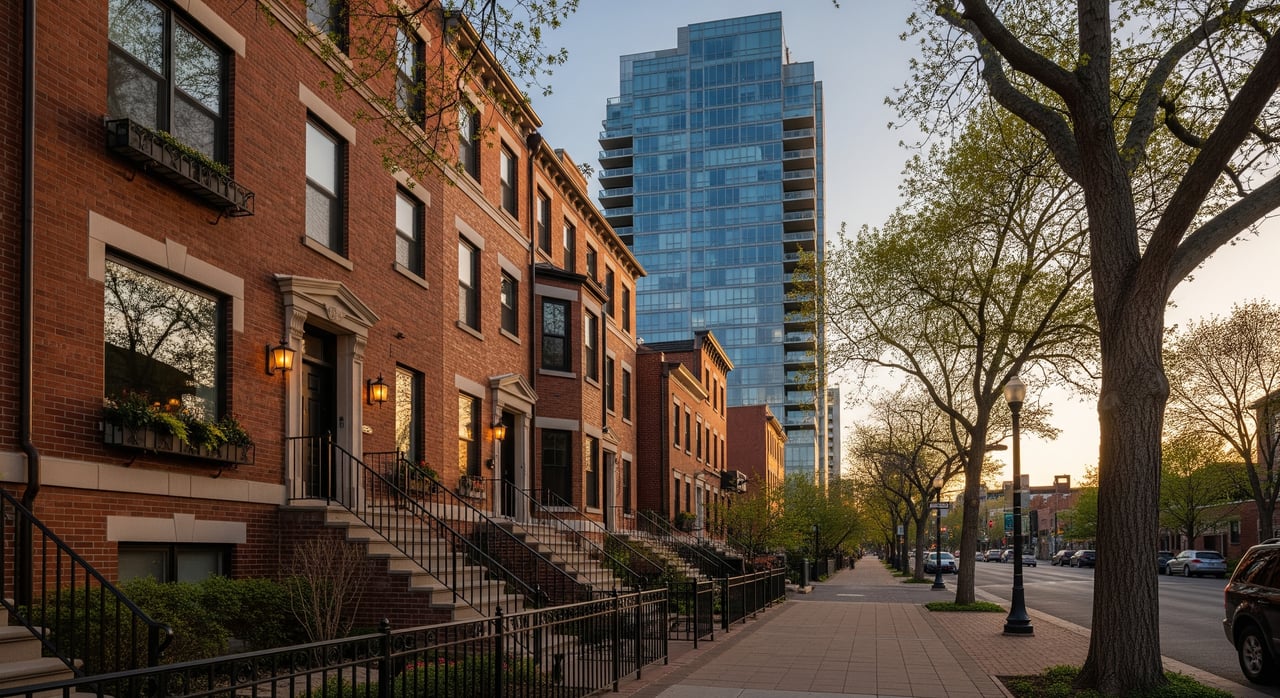
Trying to decide between a condo and a townhome near Cherry Creek? You are not alone. Many Denver buyers want walkability and low maintenance but also care about control, fees, and resale. In this guide, you will learn how ownership structure, HOA scope, financing, insurance, maintenance, parking, and resale differ for condos and townhomes in and around Cherry Creek North. Let’s dive in.
Condo vs. townhome: what you actually own
Condominiums are typically “walls-in” ownership. You own the interior of your unit and share ownership of common elements like the roof, hallways, garage structure, amenities, and land through the association. Condos in Cherry Creek range from older mid-rise conversions to newer luxury towers with concierge services and secure parking.
Townhomes come in two legal flavors that look similar from the street but operate very differently.
- Fee-simple townhome: You own the land and the structure, often including exterior walls and roof. The HOA may manage shared landscaping or private drives but the building is usually your responsibility.
- Condo-titled townhome: It looks like a townhome but is legally a condominium. The exterior and roof may be common elements managed by the HOA.
The key difference is whether the exterior and land are in your deed or controlled by the HOA as common elements. This choice affects maintenance, insurance, and financing.
Why this matters for maintenance
If you buy a condo, the HOA usually handles exterior repairs, common systems, and amenity upkeep. If you buy a fee-simple townhome, you typically handle the roof, exterior, and foundation unless the HOA explicitly covers them. Always verify responsibilities in the governing documents and confirm the legal description on title.
HOA scope, fees, and rules
HOA coverage varies widely. In Cherry Creek, monthly assessments can reflect the age and complexity of the building and whether services include staff and amenities.
Typical HOA inclusions may cover exterior maintenance, roof, landscaping, snow removal, trash, common-area utilities, elevator upkeep, concierge or security, amenities like pools and fitness centers, master insurance for common elements, management, legal and accounting, and reserve contributions for future projects. Luxury buildings that include on-site staff and robust amenities often carry higher monthly fees.
Several factors can increase HOA fees in Cherry Creek properties.
- Building age and exterior systems that require capital reserves
- On-site amenities and rooftop spaces
- Staffed services such as a doorman or dedicated manager
- Parking structures and elevator maintenance
- Building insurance costs and claims history
- Inclusion of utilities or bulk internet contracts
Reserves and special assessments
Healthy reserves help an HOA handle big-ticket items like roof replacement, façade work, or parking structure repairs. If reserves fall short, special assessments may be levied on owners. Review budgets, financials, reserve studies, and meeting minutes to see if projects are scheduled or assessments have occurred.
Rules and lifestyle impacts
CC&Rs and rules shape daily life. Expect use restrictions, noise and renovation rules, pet and lease policies, and parking assignments. Associations can fine owners or place liens for unpaid assessments and violations. Investor concentration and short-term rental policies can also affect financing eligibility and long-term resale.
Financing and insurance basics
Financing often depends on the property’s legal form.
- Condos may need project approval for conventional loans under agency standards. If a project is not approved or is considered non-warrantable, you may face higher rates, larger down payments, or portfolio lending. FHA and VA loans add project-level requirements for insurance, reserves, and owner-occupancy.
- Fee-simple townhomes are frequently underwritten like single-family homes, which can simplify financing.
A smart early step is to confirm a condo project’s warrantability with your lender and request any available project certification history. Work with a lender who has Denver-area condo experience.
Insurance differences to plan for
Condo owners typically carry an HO-6 policy that covers interior finishes, personal property, improvements, and loss assessment, while the HOA’s master policy insures common elements. Townhome owners who are fee-simple often need an HO-3 or HO-5 policy because they insure the exterior structure as well as interior contents.
Master policies vary. A “bare walls-in” master policy places more responsibility on owners for internal systems and finishes. An “all-in” or “single entity” policy covers more of the structure and finishes but can raise HOA costs. Request the HOA’s master insurance certificate and ask your insurance broker how it pairs with your policy.
Taxes and local fees
Denver property taxes are based on assessed value and local mill levies. Because fee-simple townhomes include land, their assessed value can differ from condos, which are typically interior airspace with shared common elements. Some areas near Cherry Creek may be part of special districts or business improvement districts that levy additional fees. Confirm any district obligations during due diligence.
Resale and long-term value
Resale strength depends on several factors beyond price per square foot. HOA health and transparency, adequate reserves, and a clean litigation profile are crucial. Building amenities, security, parking, and storage drive buyer appeal. Location within the Cherry Creek corridor, including walkability and access to the Cherry Creek Trail, also matters.
Luxury condos often attract buyers who value services and simplicity. Townhomes tend to appeal to buyers who want more interior space, a garage, or a small yard while avoiding the upkeep of a larger single-family home. Rental policies and investor concentration can influence both financing and marketability, so verify these early.
Cherry Creek lifestyle: what to expect
Cherry Creek North offers strong walkability to boutiques, dining, and galleries. If you want a lock-and-leave lifestyle with services, a condo can fit well. Newer high-rises may have higher assessments that reflect staffing and sophisticated building systems. Older low- to mid-rise masonry buildings can require larger capital projects over time.
Nearby corridors such as Cherry Creek East, Country Club, and parts of Congress Park and Belcaro offer more townhome options while keeping you close to the amenities of Cherry Creek. Townhomes in these pockets often include private garages and sometimes small outdoor spaces. Consider guest parking dynamics, street permits, and who handles snow removal when comparing addresses.
Parking and storage
Many Cherry Creek condos include underground or secured garage parking, sometimes deeded and sometimes assigned. Storage lockers are common but vary by building. Townhomes often provide private garages. Always verify whether parking and storage are deeded, exclusive-use, or assigned, and evaluate guest parking availability.
Which fits your lifestyle
Choose a condo if:
- You want low-maintenance living where the HOA manages exterior systems and amenities.
- You value services like concierge, security, fitness centers, and secure parking.
- You plan to lock and leave for travel or seasonal living and prefer controlled access.
Choose a fee-simple townhome if:
- You want more control over your property and are comfortable managing exterior elements.
- You prefer a private garage and possibly a small yard without full single-family upkeep.
- You want underwriting similar to single-family homes and straightforward insurance.
Choose a condo-titled townhome if:
- You like the layout and privacy of a townhome but prefer condo-style exterior management.
- You accept that financing and insurance may be more like a condominium.
What to check before you tour or offer
Document checklist:
- Declaration (CC&Rs), bylaws, and rules and regulations
- Current-year budget and most recent financial statements
- Reserve study and list of planned or recently completed capital projects
- Meeting minutes for the last 12 to 24 months
- Estoppel or resale certificate showing assessment status and restrictions
- Master insurance certificate with coverage type and deductibles
- Current rental and short-term rental policies
- Any litigation disclosures involving the HOA
- Parking and storage exhibits showing deeded or assigned rights
- Project certification or warrantability details if available
Inspection focus:
- Condos: building envelope, common mechanicals, elevators, roof condition, and garage drainage
- Townhomes: roof, gutters, flashing, siding, foundation and grading, and any shared walls
- Both: verify actual parking and storage rights, evaluate noise transmission, and review any past pest or mold remediation
Financing and insurance steps:
- Pre-qualify with a lender experienced in Denver condo underwriting
- Confirm condo project warrantability early
- Review the master insurance with your broker to determine the right owner policy
Next steps
Choosing between a condo and a townhome near Cherry Creek comes down to how much control you want, how you feel about HOA rules and fees, your financing options, and the amount of exterior maintenance you want to handle. In this corridor, pay special attention to HOA financial health, parking and storage rights, and whether the legal form matches the maintenance promises made during showings.
If you want a calm, local walkthrough of the tradeoffs and a curated set of options that match your lifestyle, reach out to Julie Winger. Schedule a neighborhood consultation and get a shortlist that fits how you live.
FAQs
What is the core difference between a condo and a fee-simple townhome near Cherry Creek?
- A condo is typically walls-in ownership with common elements managed by an HOA, while a fee-simple townhome usually includes ownership of the land and exterior, which shifts more maintenance to you.
How do HOA reserves and special assessments affect your budget in Cherry Creek?
- Strong reserves reduce the risk of large special assessments; always review budgets, reserve studies, and meeting minutes to understand upcoming capital projects.
Can you use FHA or VA financing on a Cherry Creek condo?
- Possibly, but the condo project must meet FHA or VA requirements for items like insurance, reserves, and owner-occupancy; confirm project eligibility early with your lender.
What insurance policies do condo and townhome owners typically need?
- Condo owners often carry an HO-6 policy that pairs with the HOA’s master policy, while fee-simple townhome owners usually need an HO-3 or HO-5 that covers the exterior and interior.
How do parking and storage usually work in Cherry Creek buildings?
- Condos often include deeded or assigned garage spaces and storage lockers, while townhomes typically have private garages; always verify rights in the governing documents.
Which documents should you review before making an offer on a condo or townhome near Cherry Creek?
- Request CC&Rs, bylaws, rules, budgets, financials, reserve study, meeting minutes, insurance certificate, rental policies, litigation disclosures, and parking and storage exhibits.