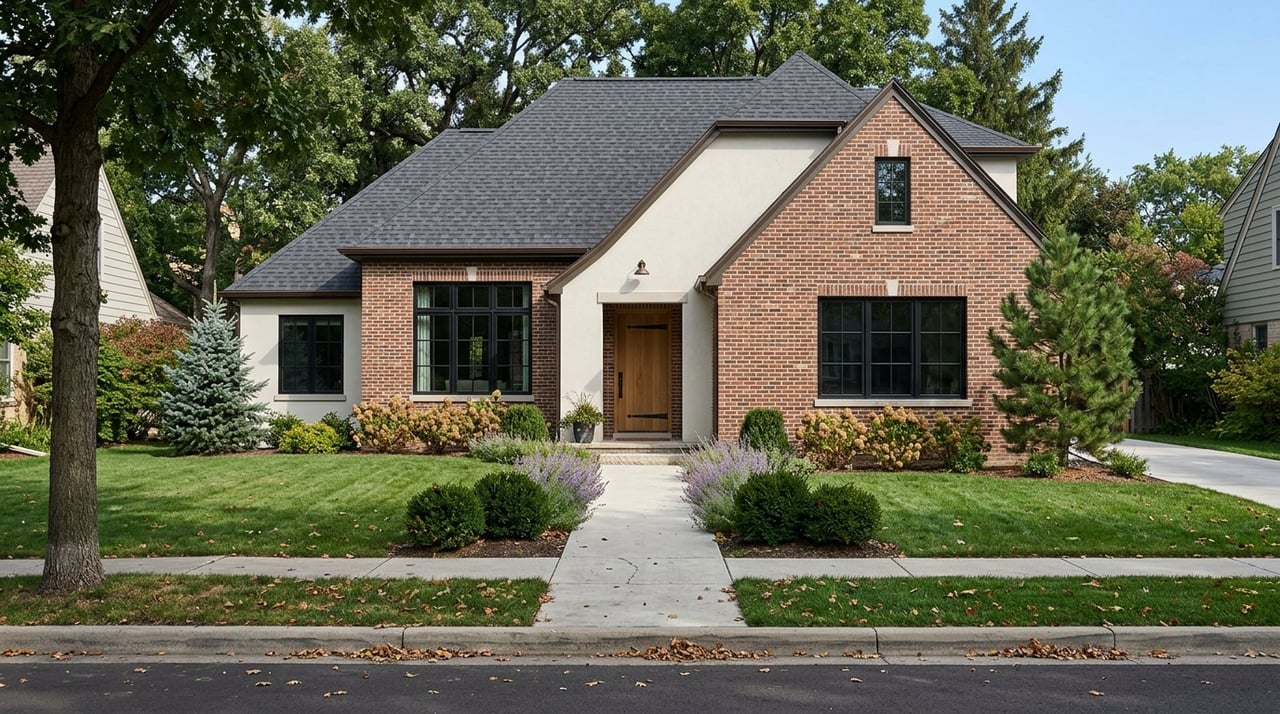
If you have ever wondered why two Hilltop homes with similar square footage can feel completely different, the answer often starts outside. In this neighborhood, architecture, lot width, setbacks, alley patterns, and block-by-block history shape daily living as much as finishes or floor plans. If you are buying or selling in Hilltop, understanding those details can help you make a smarter decision and see value more clearly. Let’s dive in.
Why Hilltop Feels Different
Hilltop has a built form that feels unusually spacious for a central Denver neighborhood. According to the Denver Public Library’s Hilltop StoryMap, the neighborhood sits at 5,434 feet and developed as an almost entirely residential area shaped by subdivision history, water infrastructure, and streetcar access rather than one master plan.
That history still shows up today. The Hilltop Neighborhood Association notes that two separate subdivisions were joined imperfectly, which helps explain the jogs in some north-south streets. As you move through the neighborhood, those small shifts in the street grid can subtly change how a block feels.
Parks and parkways also play a big role in Hilltop’s character. Cranmer Park, Robinson Park, Burns Park, and 6th Avenue Parkway help create the open, green setting many buyers notice right away. The result is a neighborhood that often feels more suburban in scale, even though it sits firmly within the city.
Hilltop Architecture at a Glance
Hilltop is not defined by a single home style. Instead, it offers a layered mix of prewar revival homes, postwar modern design, and newer infill construction shaped by local zoning and conservation standards.
For buyers, that means your choice is rarely just about age or aesthetics. It is also about how a home sits on its lot, how it relates to the street, and how much flexibility the parcel may offer over time.
Prewar Revival Homes
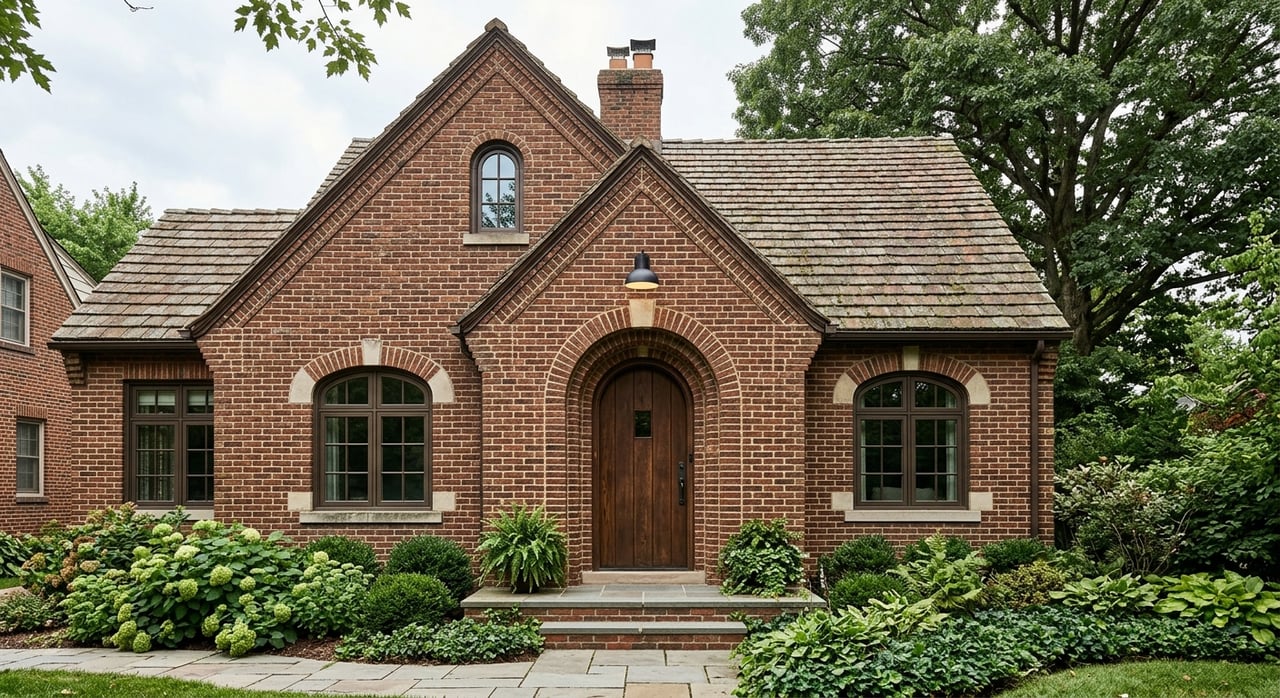
Many of Hilltop’s most recognizable older homes date to the 1930s and surrounding decades. Local historical sources describe Tudor, Prairie, and Streamline Moderne residences as part of the neighborhood’s early growth, with notable homes such as the Leet home and the George Cranmer house highlighting the variety within that era.
These homes often bring strong rooflines, detailed facades, and a more enclosed relationship to the street. In practical terms, that can create a traditional feel with more privacy from direct front-facing glass. Even when updated inside, many of these homes still read as rooted and substantial from the curb.
Postwar Modern Homes
Hilltop also includes an important modern architectural layer. National Register documentation identifies the Lloyd M. Joshel House as Denver’s best example of a postwar International Style residence and part of Hilltop’s unique 20th-century modern context.
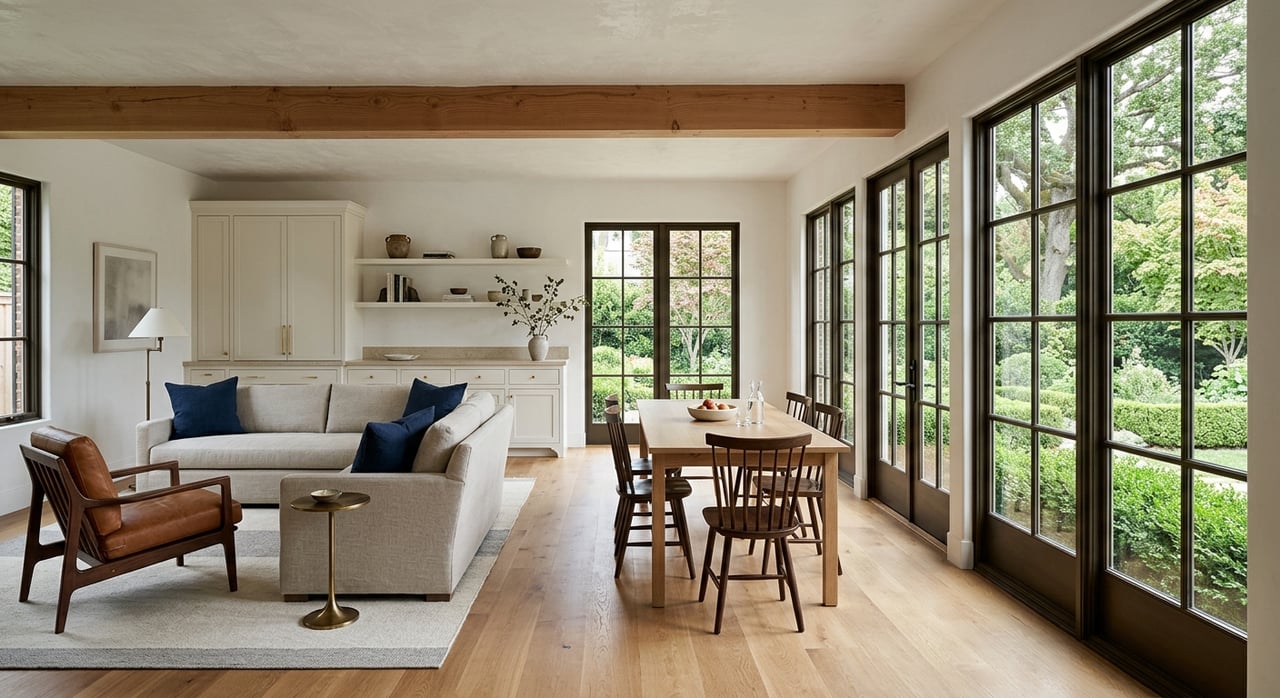
For you as a buyer, this means Hilltop is not only a neighborhood of brick Tudors and revival homes. You may also find lower-slung homes with cleaner lines, a more open relationship to light, and a different indoor-outdoor feel. These homes can appeal to buyers who want architectural simplicity without leaving an established neighborhood.
Contemporary Infill and Rebuilds
Newer homes are part of today’s Hilltop story too. The Hilltop Neighborhood Association says its zoning committee works with the city and private developers on significant infill projects, and Denver’s conservation overlay guidance makes clear that new construction, additions, exterior remodels, and even vacant lots may be subject to additional standards.
That matters because newer does not automatically mean unrestricted. In Hilltop, contemporary homes are often expected to respond to neighborhood context rather than function like generic new construction. For sellers, that context can support long-term visual consistency. For buyers, it means design potential should always be evaluated alongside zoning and overlay rules.
Hilltop Lot Types and Zoning Basics
A large part of Hilltop is zoned E-SU-G. The Hilltop Neighborhood Association describes this as Urban Edge, Single Unit, with a 9,000-square-foot minimum lot size, and Denver’s zoning code adds a 62.5-foot minimum lot width.
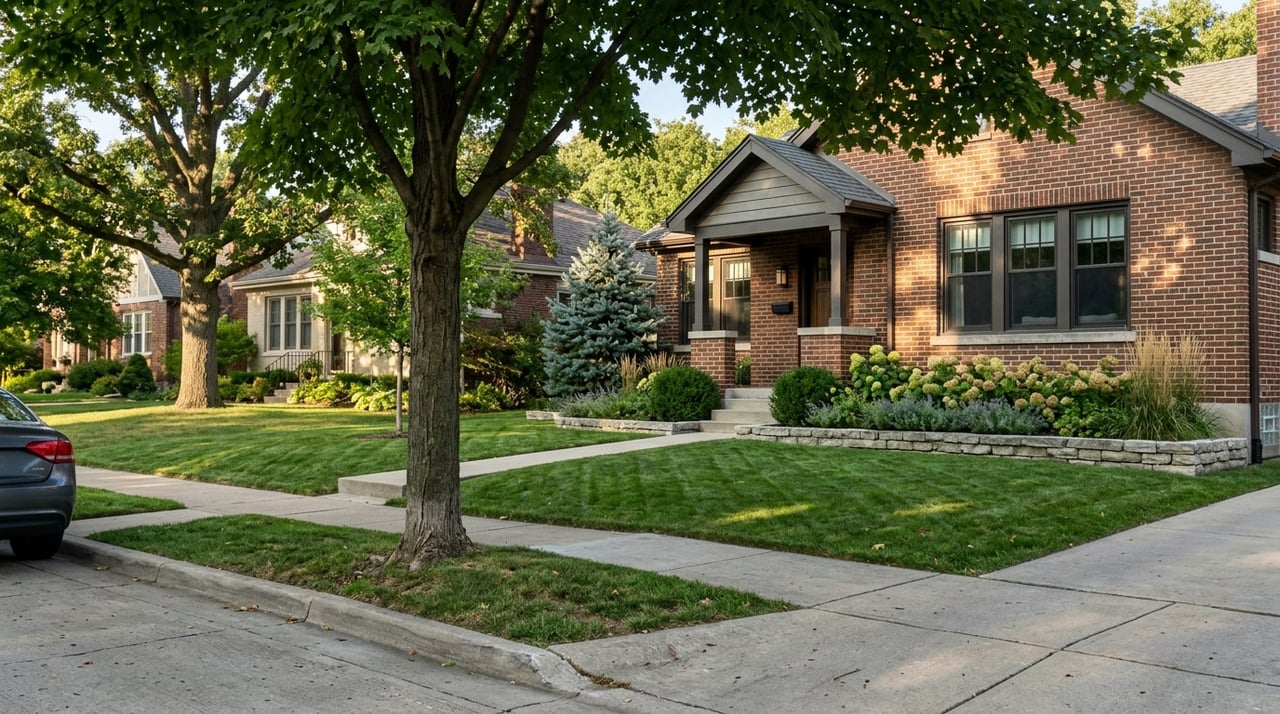
That baseline zoning helps explain why so many Hilltop blocks feel roomy. Denver’s Urban Edge context is associated with orthogonal streets, a regular or modified grid, mixed alley presence, and moderate-to-deep front setbacks. Single-unit homes here are typically Urban House or Suburban House forms.
In plain English, Hilltop often gives you more separation between homes than you might expect in central Denver. That space can influence privacy, landscaping, outdoor use, and the overall feel of the block.
What Setbacks Mean for Daily Living
Setback rules have a real effect on how a lot functions. In E-SU-G, side street setbacks are 5 feet on some narrower lots and 7.5 feet on the widest lots, side interior setbacks are 5 feet on some lots and 10 feet on wider lots, and rear setbacks are 12 feet where an alley abuts the rear lot line and 20 feet where it does not.
Denver’s zoning code also limits building coverage to 37.5 percent of the zone lot. That is a big reason many Hilltop homes still have visible front lawns, side-yard breathing room, and usable backyards. If you value outdoor space, this is one of the most important neighborhood fundamentals to understand.
Why Alley Access Matters
In Hilltop, alleys can be more complicated than they first appear. A Denver City Council District 5 update explains that the neighborhood includes public alleys, private alleys, and alleys that were platted but never built. Over time, some owners expanded backyard use into these spaces, creating what the update called phantom alleys.
This history can affect more than a survey. It may influence how a garage is placed, how deep a backyard truly is, and whether a lot is being marketed with dimensions that match its legal status. If you are comparing properties, alley history deserves close attention.
The Conservation Overlay in Hilltop
Some Hilltop properties are also affected by the Hilltop Heritage Conservation Overlay District, known as CO-1. Denver’s zoning code states that zoning permits in the district cannot be issued unless the overlay standards are met, and Denver’s fact sheet notes that conservation overlays are often more restrictive than underlying zoning.
This can affect new builds, additions, and exterior remodels. It can also matter for lot changes. The code says lots existing after July 21, 2000 can only be amended or subdivided if the resulting lots are at least 75 feet wide at the setback line and at least 9,300 square feet.
For buyers, CO-1 is not necessarily a negative or a positive on its own. It is simply an important layer of due diligence. For sellers, it can be part of what supports neighborhood consistency and long-term character.
Parkway Lots Have Their Own Logic
Lots along East 6th Avenue Parkway often follow a different outdoor-space rhythm. Denver Parks and Recreation’s parkway guidelines list a 35-foot building line on both sides of East 6th Avenue Parkway, and the Hilltop Neighborhood Association describes the parkway as one of the neighborhood’s defining scenic corridors.
That deeper building line can create more front-yard openness and preserve a broad streetscape feel. At the same time, it may reduce the portion of the lot available for the home itself. If you love a parkway location, it is worth weighing the visual benefits against the building envelope.
How Architecture and Lots Affect Value
In Hilltop, lot configuration and architecture often work together. A wider lot with alley access may support better backyard function, more privacy, and more flexibility for detached garage placement or future changes. A corner lot may offer more light and street presence, but also more exposure.
Likewise, a revival-era home and a newer rebuild may live very differently even if they offer similar interior size. The older home may feel more sheltered at the street, while the newer home may emphasize openness and glass. Neither is automatically better. The better fit depends on how you want to live.
For sellers, these distinctions also shape marketing. In a neighborhood like Hilltop, buyers are often paying attention to block context, lot width, setbacks, and architectural style, not just kitchen finishes. Presenting those features clearly can help the right buyer understand the home’s full value.
Smart Questions to Ask About a Hilltop Property
If you are evaluating a Hilltop home, these are some of the most useful questions to ask early:
- Is the lot’s advertised size consistent with its legal lot status?
- Does alley history affect backyard use, access, or garage placement?
- Is the property within the CO-1 conservation overlay district?
- Are there additional parkway building-line constraints?
- Is the home best understood as a prewar revival, a postwar modern, or a newer infill property?
- How do setbacks and lot width affect privacy and outdoor space?
These questions do not replace property-specific review, but they can help you compare homes more accurately. In Hilltop, the details behind the house often matter just as much as the house itself.
Hilltop rewards buyers and sellers who look beyond surface-level impressions. Its charm comes from the relationship between architecture, lot patterns, parks, setbacks, and long neighborhood history. When you understand those layers, you can evaluate a property with more confidence and tell its story more effectively in the market.
If you want help making sense of Hilltop’s block-by-block nuances, historic character, and lot-specific tradeoffs, schedule a neighborhood consultation with Julie Winger.
FAQs
What architectural styles are common in Hilltop Denver?
- Hilltop includes prewar revival homes such as Tudor, Prairie, and Streamline Moderne residences, along with postwar modern homes and newer infill or rebuilt properties.
What is E-SU-G zoning in Hilltop Denver?
- E-SU-G is an Urban Edge, Single Unit zoning designation that generally includes a 9,000-square-foot minimum lot size and a 62.5-foot minimum lot width.
Why do Hilltop Denver lots feel larger than some nearby neighborhoods?
- Hilltop’s zoning rules, moderate-to-deep setbacks, and building coverage cap help preserve front lawns, side-yard space, and usable backyards on many properties.
What is the CO-1 overlay in Hilltop Denver?
- CO-1 is the Hilltop Heritage Conservation Overlay District, which adds standards that can affect new construction, additions, exterior remodels, and some lot changes.
Why should buyers ask about alleys in Hilltop Denver?
- Hilltop has public alleys, private alleys, and some platted but unbuilt alleys, so alley history can affect legal lot size, backyard depth, access, and garage placement.
How do parkway lots differ in Hilltop Denver?
- Lots along East 6th Avenue Parkway may be subject to a 35-foot building line, which can increase front-yard openness while reducing the buildable portion of the lot.