What if you could live in a part of Denver that feels quietly tucked away, yet still keeps you close to some of the city’s most active shopping, dining, and trail connections? If you are drawn to historic homes, mature streetscapes, and a central location, the area near Denver Country Club in 80218 offers a distinct mix of architecture, lifestyle, and access. Here’s what you should know about homes and everyday life near Denver Country Club, and why this pocket of central Denver continues to stand apart. Let’s dive in.
Why Denver Country Club Stands Out
The Country Club Historic District is one of Denver’s best-known early 20th-century neighborhoods. According to Denver Public Library, the district includes the 1902 Denver Country Club and the golf course along Cherry Creek, with many large homes designed by notable Denver architects.
That history still shapes how the area feels today. The City and County of Denver lists the district as Country Club D-18, with a period of significance from 1902 to 1945, and that preservation status helps protect the neighborhood’s character over time.
What the Streetscape Feels Like
One of the first things you may notice is that the neighborhood does not feel repetitive. Instead of a uniform subdivision look, the historic guidelines describe broad setbacks, open front yards, tree lawns, and gateways that give the area a spacious, established feel.
There is also meaningful variation within the district itself. The guidelines note that Park Club Place has a more traditional neighborhood pattern, while New Country Club and Park Lane Square feature narrow curving streets, broad lawns, and no sidewalks.
That variety matters if you are trying to find the right fit block by block. In a neighborhood like this, small differences in street pattern, yard layout, and home placement can shape your day-to-day experience.
What Homes Near Denver Country Club Are Like
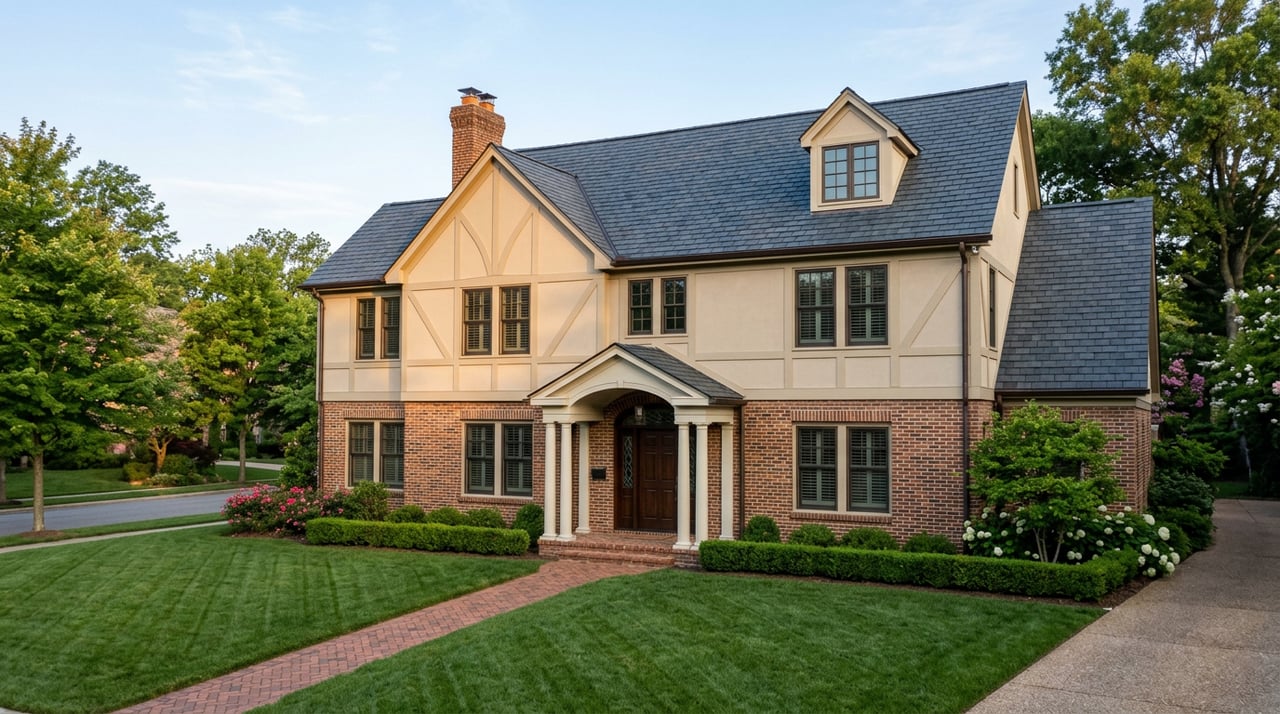
If you are searching in this area, expect historic single-family homes to define the market. The district guidelines describe the housing stock as largely large-lot homes, with Denver Squares or Foursquares and eclectic revival styles leading the mix.
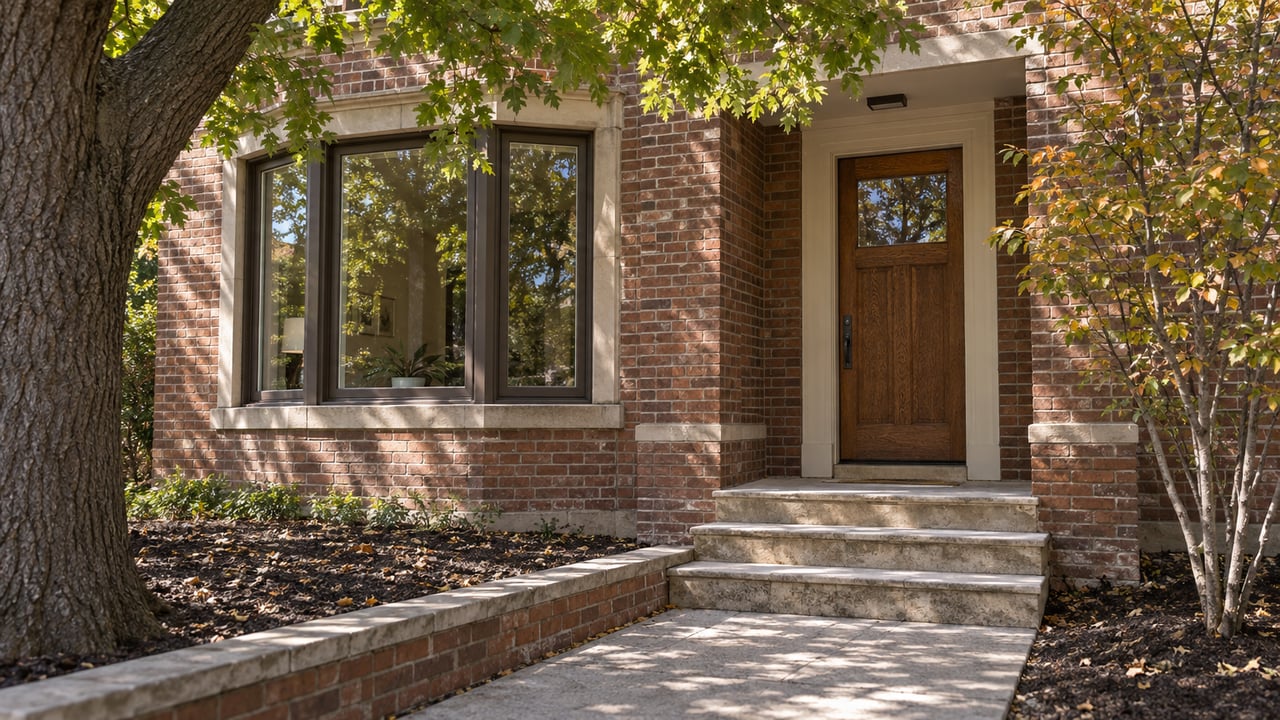
Colonial Revival and Mediterranean Revival styles are especially common, along with a smaller number of bungalows. Most historic homes are about one-and-a-half to two stories and are typically built in brick or stucco, often with steep gable or hip roofs.
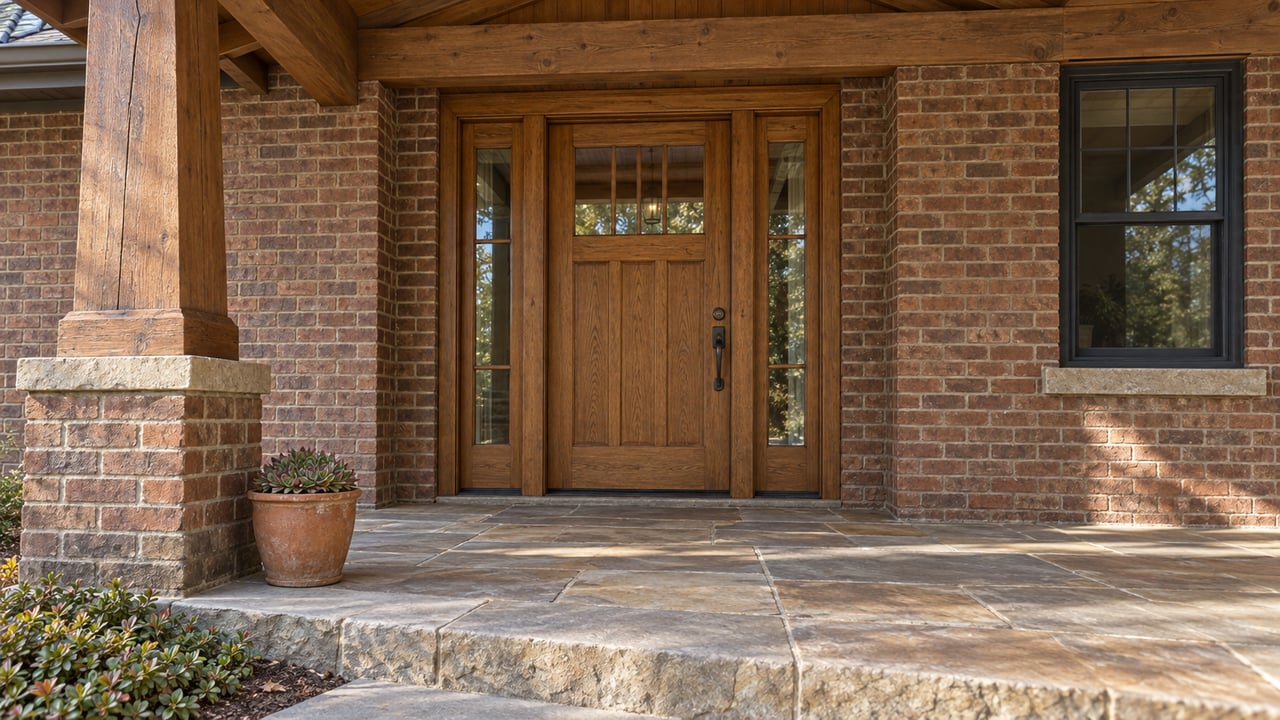
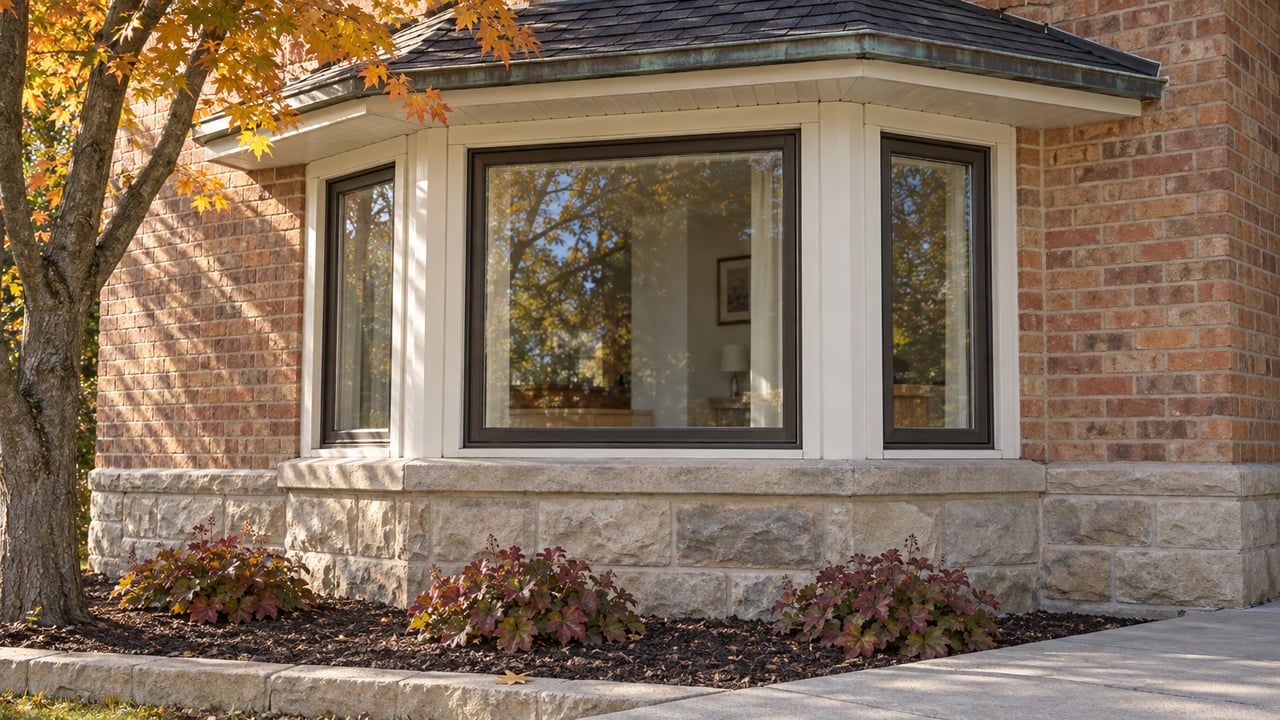
The details are a big part of the appeal. The guidelines point to ornament concentrated around entries, windows, and rooflines, while features like porches, bay windows, and one-story architectural elements help create a more pedestrian-scaled feel.
Why Buyers Love the Architecture
For many buyers, the biggest draw is that the homes tend to feel individual rather than mass-produced. The historic guidelines emphasize generous lot sizes, large footprints, and varied siting, which means the neighborhood reads as a collection of distinct residences.
That can be especially appealing if you value craftsmanship, architectural personality, and a sense of place. In central Denver, that combination is not easy to replicate.
What to Know About Historic District Rules
If you are considering a home in the district, it is important to understand how preservation review works. The City and County of Denver states that exterior alterations, additions, signs, and other permit-driven work in historic districts are reviewed through Denver’s landmark preservation process.
For buyers, that is not necessarily a drawback, but it is a practical part of ownership. If you hope to make exterior changes, you will want to understand the review process early so your plans align with district requirements.
For many homeowners, that preservation framework is part of the value. It helps maintain the visual character that makes the neighborhood so distinctive in the first place.
Parking, Garages, and Block Layout
Historic neighborhoods often come with quirks, and Country Club is no exception. The district guidelines note that not all blocks have alleys, so some homes rely on curb cuts for driveways rather than rear access.
Garage placement can vary as well. Some homes have rear-lot garage setups, while others, especially newer construction, may have a more front-oriented arrangement.
This is one reason a guided, in-person neighborhood tour can be so useful. Layout details that seem minor on paper can affect convenience, curb appeal, and how a property lives day to day.
Lifestyle Near Denver Country Club
Living near Denver Country Club offers an interesting balance. You get the calm, formal feel of a preservation-oriented residential district, but you are also close to the energy of Cherry Creek.
That nearby access shapes the lifestyle in a big way. Cherry Creek planning documents emphasize walkability, connectivity, pedestrian-priority zones, improved crossings, and streetscape features like lighting, seating, landscaping, bike racks, and curb extensions.
In practical terms, that means the broader area is designed to support getting around on foot and connecting residential streets with shopping, dining, and trail access. For many buyers, that combination of residential quiet and urban convenience is the sweet spot.
Shopping and Dining Access
The broader Cherry Creek area adds a polished mixed-use element to life near Country Club. Current district reporting describes tree-lined streets, shopping, galleries, and chef-driven dining as part of the everyday environment.
If you want a neighborhood that feels residential first but still gives you easy access to amenities, this setting checks that box. You can enjoy a more established home environment without feeling cut off from the rhythm of central Denver.
Cherry Creek Trail and Greenway Access
Outdoor access is another major advantage. Denver describes the Cherry Creek Trail as one of the city’s most popular and heavily used bike and pedestrian facilities, running roughly 40 miles and linking Downtown Denver with Cherry Creek Reservoir.
A newer city planning document also highlights the Cherry Creek Greenway as a well-used multi-use trail connecting Downtown, Cherry Creek, and Southeast Denver. For residents near Denver Country Club, that means recreation and mobility are part of daily life, not an occasional destination.
If you like the idea of walking, biking, or simply having a strong outdoor connection near home, this is a meaningful benefit.
Is It Walkable?
Walkability here depends on exactly where you live and what kind of daily routine you want. Within parts of the historic district, the feel is more residential and spacious, with some subareas that do not have sidewalks.
At the same time, the surrounding Cherry Creek area is strongly shaped by planning goals around pedestrian comfort and neighborhood connectivity. So while the core historic area may feel quieter and less urban in form, the broader lifestyle still supports convenient access to nearby amenities.
Where to Find Attached Homes Nearby
If you love the location but prefer attached or lower-maintenance housing, your search may expand beyond the core historic district. Based on current reporting and design standards, the broader Cherry Creek area includes a mixed-use environment where homes, condos, and apartments coexist.
That makes Cherry Creek a logical nearby option if you want similar central access with a different housing type. It is a useful distinction for buyers deciding between architectural character, lot size, maintenance needs, and lock-and-leave convenience.
Who This Area Fits Best
This area can be a strong match if you value:
- Historic architectural character
- Established streetscapes and mature landscaping
- Larger homes on generous lots
- A central Denver location
- Proximity to Cherry Creek shopping, dining, and trails
It may require more thought if you want:
- A highly uniform neighborhood layout
- Minimal exterior renovation constraints
- Attached housing within the historic district core
- A newer-home streetscape with more standardized infrastructure
Key Tradeoffs to Consider
Every neighborhood has tradeoffs, and this one is no different. The same preservation status that helps protect visual character can also shape what you can do with a property’s exterior.
The block patterns are also less uniform than what you might find in newer neighborhoods. For the right buyer, that variety is part of the charm. For others, it is something to evaluate carefully during the home search.
Why Local Guidance Matters Here
Near Denver Country Club, the details matter. Two homes with similar square footage can offer very different experiences based on block pattern, lot placement, preservation context, garage access, and proximity to Cherry Creek amenities.
That is why local, neighborhood-specific guidance can make such a difference. If you are buying or selling in a historic central Denver neighborhood, you need more than a broad market overview. You need context that helps you judge fit, value, and long-term livability with confidence.
If you are exploring homes near Denver Country Club or weighing how this area compares with nearby Cherry Creek and other central Denver neighborhoods, Julie Winger can help you navigate the details with thoughtful, hyper-local guidance.
FAQs
What types of homes are common near Denver Country Club?
- The historic district is dominated by large-lot single-family homes, especially Denver Squares or Foursquares, Colonial Revival homes, Mediterranean Revival homes, and some bungalows.
What does historic district status mean for Denver Country Club homeowners?
- In the Country Club Historic District, exterior alterations, additions, signs, and other permit-driven exterior work are reviewed through Denver’s landmark preservation process.
Is the area near Denver Country Club walkable for daily errands and recreation?
- The broader area benefits from Cherry Creek planning focused on walkability and connectivity, plus access to the Cherry Creek Trail and Greenway, though some parts of the historic district have a quieter residential layout and may not include sidewalks.
Where can buyers find condos near Denver Country Club?
- Buyers looking for attached or lower-maintenance housing are more likely to find condos and similar options in the broader Cherry Creek mixed-use area rather than in the core Country Club Historic District.
What makes living near Denver Country Club different from newer neighborhoods?
- The area stands out for its early 20th-century architecture, generous lots, varied streetscapes, preservation context, and its blend of residential calm with nearby Cherry Creek amenities.