Wondering whether a historic condo near Cheesman Park is charming in all the right ways or complicated in ways you will feel later? That is a fair question, especially in a part of Denver where architecture, location, and building history all play a big role in the buying decision. If you are drawn to older buildings and want to buy with confidence, this guide will help you understand what to look for, what to ask, and how to weigh character against day-to-day practicality. Let’s dive in.
Why Cheesman Park Stands Out
Cheesman Park sits in Denver’s East Central area, where the city’s park, neighborhood, and parkway systems connect in a way that gives the area a strong sense of place. City planning materials describe Cheesman Park and nearby City Park as major green spaces within a broader urban framework, with parkways linking neighborhoods, parks, and civic spaces.
For you as a buyer, that can mean a rare mix of central-city convenience and established neighborhood character. The Denver Botanic Gardens at York Street sits right next to the park on 24 acres, and the area’s long history, including its unusual cemetery past, adds another layer of identity that many buyers find memorable.
What Historic Condos Often Feel Like
Historic condo buildings around Cheesman Park can look very different from newer construction. Denver preservation materials show that early apartment buildings in nearby historic areas often ranged from two to four stories and reflected styles popular from the late 1800s through the mid-20th century.
In practical terms, you may see features such as porches or balconies on older buildings, decorative masonry, inset balconies, elevators, fireplaces, or more formal entries and shared spaces. Mid-century buildings often have simpler forms and less ornament, which can appeal to buyers who want some vintage appeal with a more streamlined look.
Common Architectural Details
Specific Denver examples help show the range. New Terrace, built in 1888 to 1889, includes brick construction, recessed bays, front porches, and varied roof forms. Montgomery Court, built in 1908, introduced reinforced-concrete residential construction and a front light court, while the Norman Apartments from 1924 featured nine-foot ceilings, mahogany doors and wood trim, and marble floors in the main foyer and entrance hall.
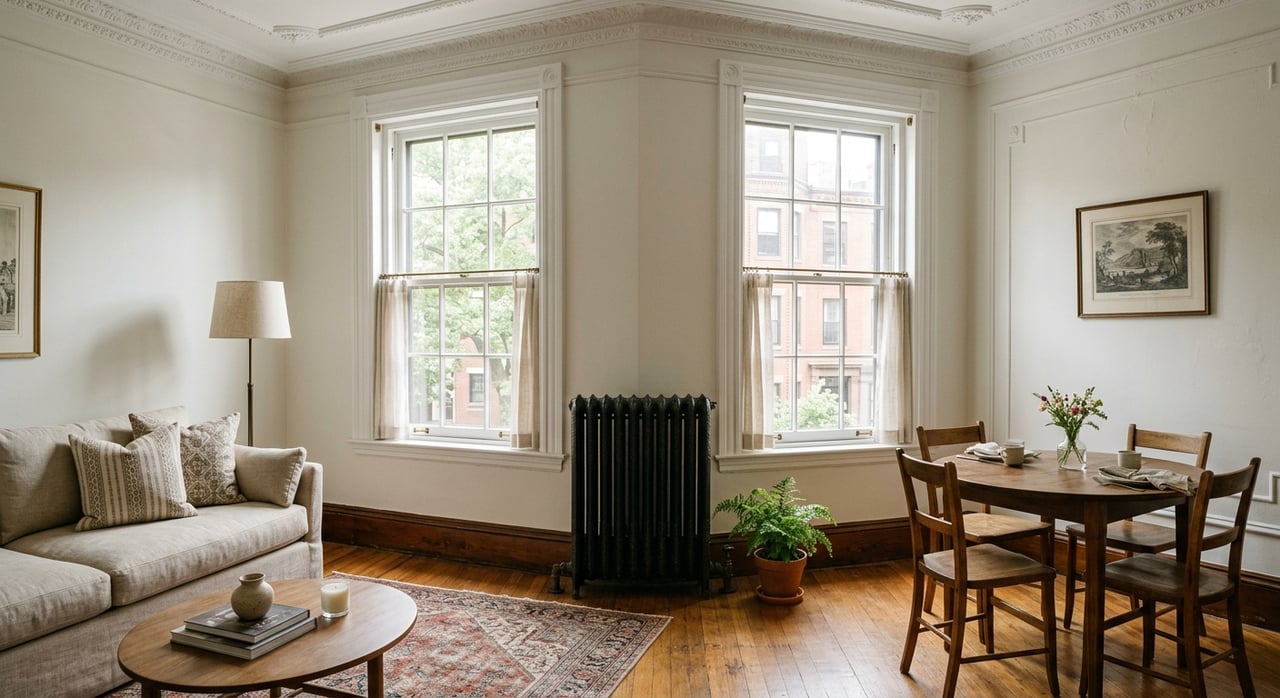
Those examples suggest that older Cheesman-area condos may have more defined rooms and circulation than newer open-concept homes. You might find foyers, separate dining rooms, deeper hallways, and stronger visual separation between living spaces.
Why Layout Matters
That older layout can be a plus if you value architectural detail and room definition. It can be a tradeoff if you want a wide-open kitchen-living area or the storage and utility planning often found in newer buildings.
When you tour a unit, try to look beyond updated finishes. In many historic buildings, the original circulation, ceiling height, trim, lobby character, and shared hallways contribute as much to the experience as the countertops or appliances inside the unit.
Look Beyond the Unit Itself
One of the biggest mistakes buyers make with historic condos is focusing only on the interior of the apartment. In older buildings, the character-defining features often include hallways, lobby spaces, staircases, elevator lobbies, corridor doors, and principal rooms such as foyers, living rooms, and dining rooms.
That means you should pay close attention to the building as a whole. A beautiful unit in a building with worn common areas, unclear maintenance history, or deferred repairs may deserve a closer look before you move forward.
Features Worth Noticing
As you walk through the property, pay attention to:
- Ceiling height and room proportions
- Original trim, doors, and flooring
- Condition of windows and shared corridors
- Lobby and staircase character
- Evidence of updates that fit the building’s style
- Overall maintenance of common spaces
Kitchens, bathrooms, laundry areas, and storage spaces are often more flexible over time. That is helpful if you love the bones of a historic condo but know you may want different finishes later.
HOA Review Is Essential
If you are buying a condo near Cheesman Park, the homeowners association review is not a side task. It is one of the most important parts of your due diligence.
Colorado’s Division of Real Estate says that once you are under contract, you are entitled to the association documents listed in Section 7 of the Colorado Contract to Buy and Sell. Those materials should include governing and financial documents, such as the budget, assessments, annual financial statements with reserve amounts, insurance policies, bylaws, rules, meeting minutes, and governance policies.
What to Review Carefully
For a historic condo, these are the documents and topics that deserve special attention:
- Association budget
- Reserve balance information
- Recent financial statements
- Regular and special assessments
- The most recent financial audit or review
- Insurance policies and deductibles
- The last year of meeting minutes
- Rules and regulations
- Management structure and community association manager information
Colorado also does not have a central repository for HOA governing documents. In most cases, you will get them through the seller and broker, which makes organization and timing especially important.
Watch for Reserve and Repair Clues
Reserve health matters in any condo building, but it can be especially important in an older one. DORA advises buyers to review meeting minutes from the prior year to see whether special assessments are being discussed and to understand repair, maintenance, and insurance issues.
That matters because even a lovely, well-kept historic building can carry hidden financial pressure if major work has been delayed. A 2023 Fannie Mae survey found that lenders identified HOA financial instability and deferred maintenance as top condo-market risks.
Historic Buildings Can Mean Added Review
If a building is individually landmarked or located within a historic district, some exterior work may require review by Denver Landmark Preservation. According to Denver’s code guidance, exterior changes that require a building or zoning permit can face additional review, and demolition applications are reviewed citywide.
For you, that may affect future plans for window replacement, roofing, siding changes, or other exterior alterations. It does not automatically mean buying will be harder, but it does mean you should understand what kind of approval process may apply before you assume changes will be simple.
Questions to Ask Early
If the building has landmark or historic-district status, ask:
- What exterior changes have been completed recently?
- Were those changes subject to preservation review?
- Are there any upcoming exterior projects planned?
- What owner responsibilities apply versus HOA responsibilities?
These questions can help you avoid surprises after closing.
Lifestyle and Location Tradeoffs
Part of the appeal of buying near Cheesman Park is that you are not choosing architecture alone. You are also choosing access to one of Denver’s major historic parks, the nearby Botanic Gardens, and a connected central-city setting.
RTD’s regional network includes Route 15 along the nearby East Colfax corridor, and Denver’s planning materials emphasize how Cheesman Park, City Park, and the parkway system tie the area together. For many buyers, that combination of green space, cultural amenity access, and urban connectivity is a major reason to consider the neighborhood.
What Buyers Often Value Here
Historic condos near Cheesman Park tend to appeal to buyers who prioritize:
- Location close to central Denver destinations
- A strong sense of neighborhood identity
- Walkability and park access
- Distinct architecture and period details
- Established buildings with lasting character
The tradeoff is often space planning. You may give up a newer open layout or some modern building systems in exchange for location and architectural personality.
Budget for Monthly Ownership Costs
When you compare a historic condo to another property type, be sure to evaluate the full monthly picture. HOA dues are usually separate from the mortgage payment, so they need to be part of your regular housing budget.
That sounds simple, but it is easy to underestimate the total cost when a monthly payment looks attractive at first glance. In an older condo building, insurance structure, maintenance practices, and reserve planning can all influence what ownership really costs over time.
A Smart Buying Approach
If you love historic homes and condos, the goal is not to avoid complexity. It is to understand it clearly enough to make a confident decision.
A thoughtful buying process usually means balancing three things at once: the feel of the unit, the condition and governance of the building, and the long-term fit of the location for your lifestyle. That is where deep neighborhood knowledge and careful document review can make a real difference.
Buying a historic condo near Cheesman Park can be incredibly rewarding if you know how to read both the charm and the details. If you want help evaluating buildings, comparing tradeoffs, and navigating the process with a local historic-home perspective, schedule a neighborhood consultation with Julie Winger.
FAQs
What makes a historic condo near Cheesman Park different from a newer condo?
- Historic condos near Cheesman Park often have more formal layouts, higher ceilings, original trim, distinctive lobbies or hallways, and stronger architectural character than newer condos.
What HOA documents should you review when buying a Cheesman Park condo?
- You should review the budget, reserve information, financial statements, insurance policies, rules, bylaws, assessments, management information, and at least the last year of meeting minutes.
Why do reserve funds matter in a historic condo building?
- Reserve funds help cover major building repairs and replacements, and low reserves can increase the risk of deferred maintenance or future special assessments.
Can exterior changes in a historic Denver condo require city review?
- Yes. If the building is landmarked or in a historic district, some exterior work that requires a building or zoning permit may also require Denver Landmark Preservation review.
Is Cheesman Park a good fit if you want walkability and transit access?
- For many buyers, yes. The area offers access to major park space, nearby cultural amenities like the Denver Botanic Gardens, and transit service along the nearby East Colfax corridor.