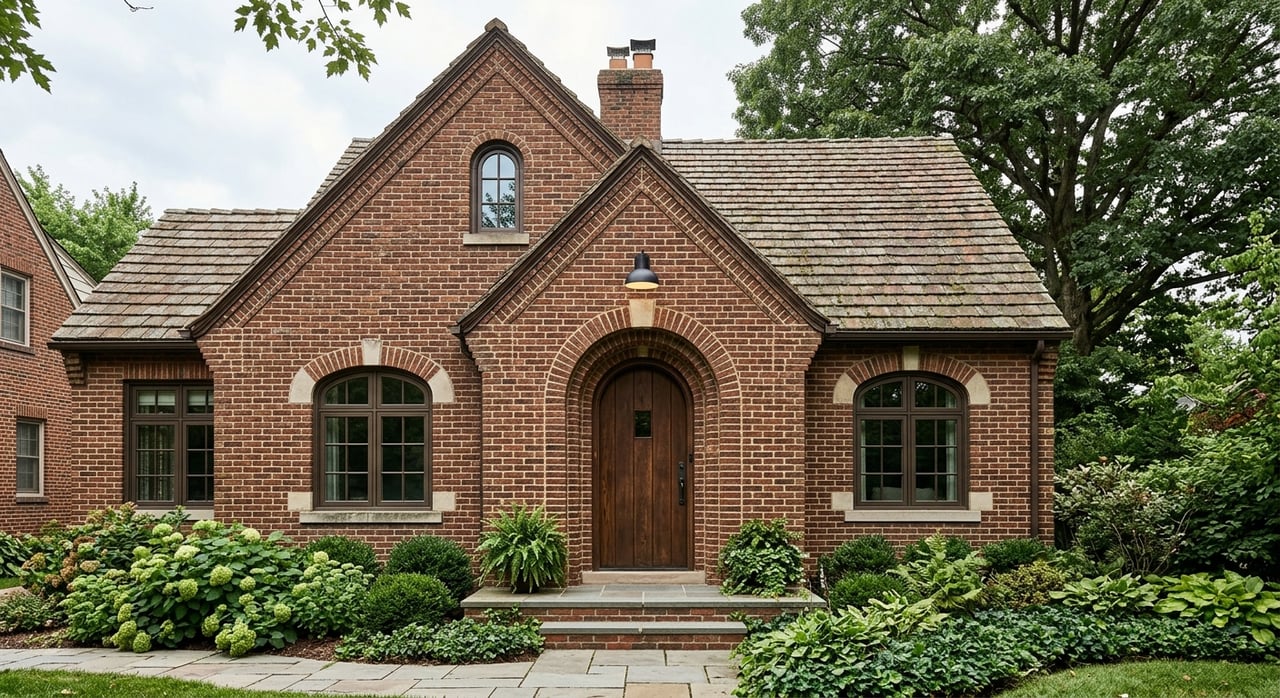
Is your classic Park Hill home truly ready for today’s market, or are you counting on charm alone to do the work? If you have owned a bungalow, Tudor, cottage, or postwar home here for years, you probably know its character is a big part of the appeal. But in a more balanced Denver market, buyers still love original details while paying close attention to condition, presentation, and price. Here’s what matters most if you want to sell a classic Park Hill home with confidence. Let’s dive in.
Why Park Hill homes stand out
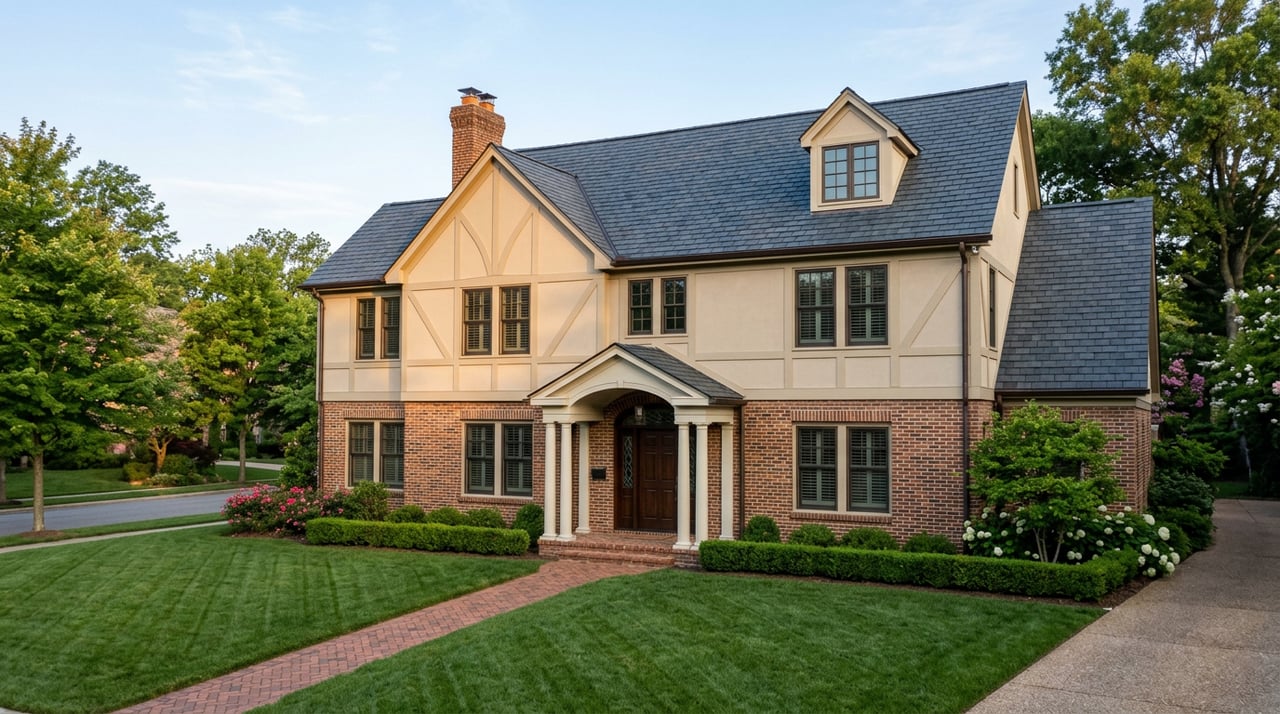
Park Hill is not a one-style neighborhood. Its housing stock includes Victorian forms, Arts-and-Crafts homes, bungalows, foursquares, Queen Anne, Edwardian, Tudor Revival, Colonial Revival, Dutch Colonial Revival, classic cottages, and modest mid-century homes.
That variety matters when you sell. A 1920s bungalow, a 1930s Tudor, and a 1950s brick home may all attract interest, but buyers will compare each one differently based on style, layout, condition, and level of updating.
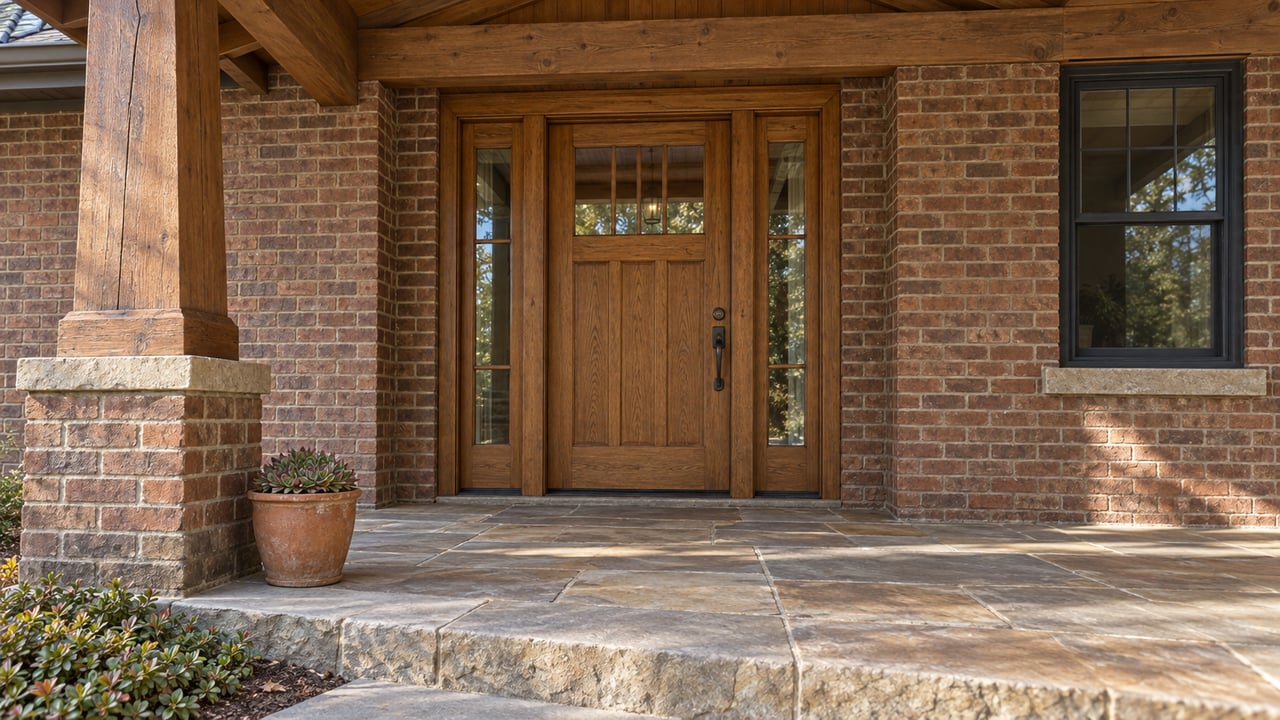
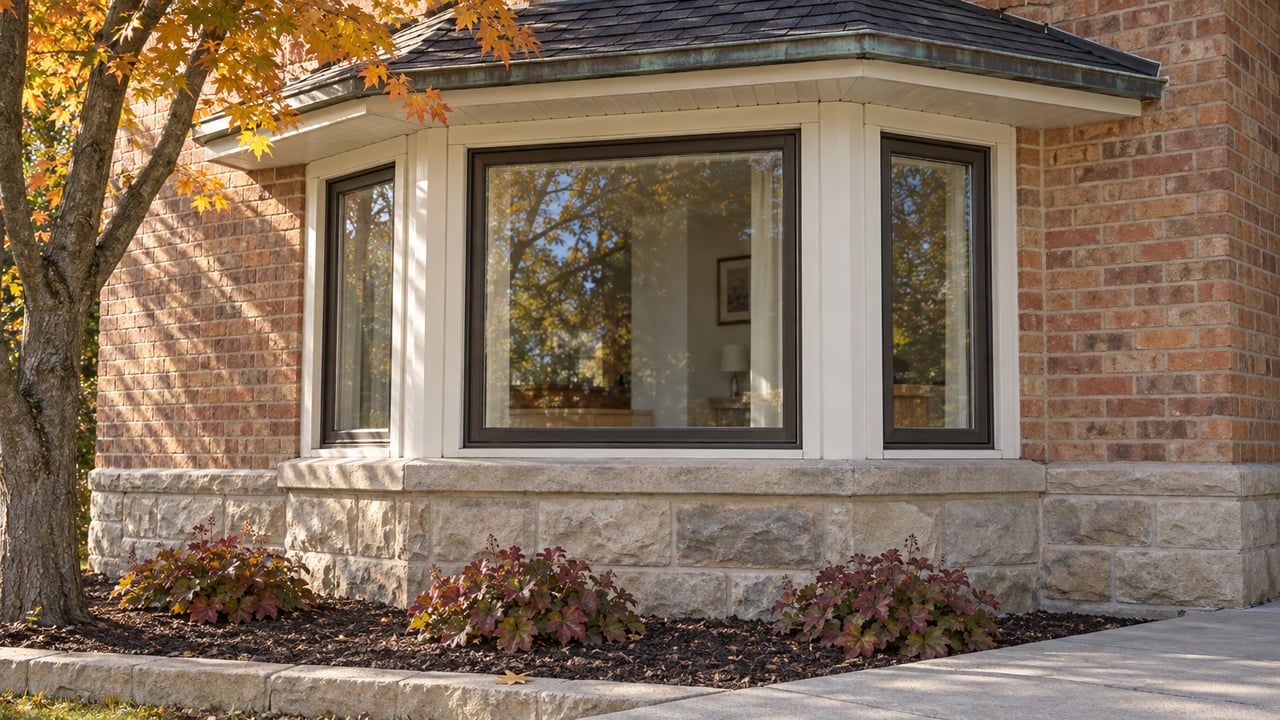
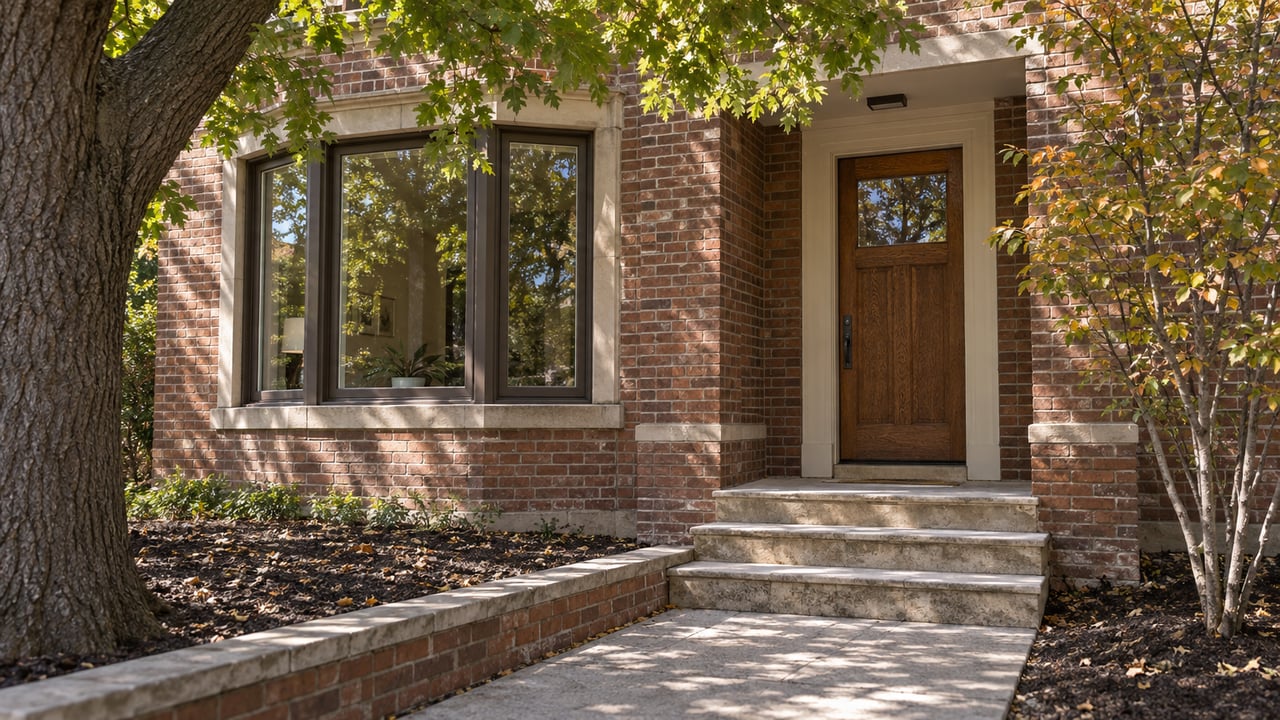
Park Hill also has a visual rhythm that buyers notice right away. Mature trees, brick exteriors, and established streetscapes help create the historic feel that makes the neighborhood memorable.
Character still sells, but condition matters more
Buyers are still drawn to homes with original character. In Park Hill, that might mean hardwood floors, built-ins, vintage tile, arched openings, or classic brickwork that gives a home warmth and identity.
At the same time, buyers are less willing to overlook obvious issues than they were in past years. According to the 2025 Remodeling Impact Report, 46% of buyers are less willing to compromise on a home’s condition than they used to.
For sellers, that creates a clear goal. You want to preserve what makes your home special while removing distractions that make buyers hesitate.
That usually means addressing:
- Scuffed or dated paint
- Tired finishes that make the home feel neglected
- Visible deferred maintenance
- Incomplete or rough DIY work
- Exterior wear that hurts first impressions
A classic home does not need to feel brand new. It does need to feel cared for.
Focus on updates buyers notice
If you are deciding where to spend money before listing, start with the basics buyers see first. The most commonly recommended pre-list projects include painting the entire home, painting individual rooms, new roofing, kitchen upgrades, and bathroom renovation.
Those recommendations line up with current buyer demand. The areas with the strongest recent demand were kitchen upgrades, new roofing, and bathroom renovation.
For many Park Hill sellers, the smartest strategy is not a full redesign. It is a light, thoughtful modernization plan that respects the home’s era while making it easier for buyers to say yes.
Best pre-list projects for classic homes
A strong pre-list plan often includes:
- Fresh interior paint in a simple, cohesive palette
- Roof repairs or replacement if needed
- Kitchen updates that improve function and appearance
- Bathroom refreshes that feel clean and finished
- A polished front entry with a strong first impression
This approach fits classic Park Hill homes especially well. You can improve market appeal without stripping away the details that give the property its personality.
Presentation has a direct impact
Today’s buyers expect homes to look polished. In the 2025 staging report, 83% of buyers’ agents said staging made it easier for clients to picture a property as their future home.
Buyer expectations are also high. Nearly half of respondents said buyers expect homes to look like they were staged on TV, and 58% said buyers felt disappointed when homes did not.
That does not mean every seller needs an elaborate redesign. It does mean your home should look intentional, bright, and easy to understand online and in person.
Where staging matters most
The rooms buyers most want staged are:
- Living room
- Primary bedroom
- Kitchen
In a classic Park Hill home, these spaces often help buyers connect emotionally with the property. A warm living room, a calm primary bedroom, and a kitchen that feels functional can help balance quirks that come with older architecture.
The prep work that pays off
Before professional photography and showings, the most effective steps are often the simplest. Sellers’ agents most often recommend decluttering, cleaning the entire home, and improving curb appeal.
That advice is especially important in Park Hill. Because the neighborhood’s mature trees and architecture are part of the story, the exterior presentation and entry sequence carry real weight.
Focus on visible improvements like:
- Trimming landscaping
- Cleaning brick, steps, and porch areas
- Painting or refreshing the front door if needed
- Clearing walkways and simplifying decor
- Making sure lighting works at the entry and along paths
Price for your block, style, and condition
The Denver market in 2026 is active, but it is more balanced than the intense pandemic-era market. DMAR reported an April 2026 median price of $605,000, 11,539 active listings, a 99.44% close-price-to-list-price ratio, and a median of 14 days in MLS.
REcolorado’s May 2026 metro data showed a $615,000 median closed price and 4,054 homes closed. That tells you homes are still selling, but buyers have options and pricing discipline matters.
Park Hill remains competitive. Redfin reported a median sale price of $751,000 for the three months ending May 2026, down 1.9% year over year, with homes selling in 15 days on average.
That mix of numbers points to an important truth for sellers of classic homes. You cannot assume character alone creates a premium. Buyers will look closely at your exact block, your home’s style, square footage, layout, and how updated it feels relative to nearby options.
Avoid the most common pricing mistake
The biggest mistake many sellers make is pricing from memory instead of current competition. A neighbor’s sale from a hotter market, or a beautifully renovated home several streets away, may not be the right benchmark for your property today.
Precise pricing is especially important when your home has strong character but mixed updates. If the presentation is excellent and the condition feels solid, pricing can create momentum quickly. If the home needs work, the price should reflect that clearly.
Timing still matters, but preparation matters more
Spring still shows Park Hill at its most naturally appealing. Tree-lined streets, mature landscaping, and better light can make a strong difference in photos and first impressions.
At the same time, Denver’s seasonality has flattened compared with past years. While Realtor.com identified April 12 through 18, 2026 as the best week to sell nationally, DMAR noted that Denver’s market now moves with a more consistent rhythm.
That is good news if you are not ready for a narrow spring window. A well-prepared, well-priced home can still perform outside the so-called best week.
The key is to start prep early so you control your timing instead of reacting to it. If you need painting, repairs, staging, or photography coordination, those details often shape your launch date more than the calendar does.
Check historic-property rules early
Some Park Hill properties have added logistics before listing. If your home is designated or located within a historic district, Denver Landmark Preservation rules may affect exterior work.
The city reviews exterior alterations, additions, new construction, signs, and non-vegetative site work for designated properties and historic districts. Even garage projects in a historic district or on a designated landmark require a certificate of appropriateness.
Projects to review before starting
If you are considering exterior work before listing, check early on items such as:
- Garage changes
- Curb cuts
- Additions
- Major exterior alterations
- Significant site work
In many cases, the best listing strategy is to repair, refresh, and document what already exists rather than rush a large exterior project before going to market. Early planning can help you avoid delays and protect your timeline.
Selling a classic Park Hill home well
The best Park Hill listings usually strike a careful balance. They highlight original character, remove condition-related objections, and present the home with clarity and confidence.
That takes more than putting a sign in the yard. It takes block-by-block pricing judgment, a smart prep plan, premium presentation, and a clear understanding of how buyers will respond to your home in today’s market.
If you are preparing to sell a classic Park Hill home, the goal is not to erase its history. The goal is to help buyers appreciate that history while seeing a home that feels ready for its next chapter.
If you want thoughtful guidance on pricing, presentation, and how to position your home in today’s Park Hill market, schedule a neighborhood consultation with Julie Winger.
FAQs
What makes a classic Park Hill home attractive to buyers today?
- Buyers are often drawn to Park Hill’s mix of architectural styles, mature trees, brick exteriors, and original details, especially when the home also feels well maintained and move-in ready.
What updates matter most before selling a Park Hill home?
- The most useful pre-list updates often include fresh paint, roof work if needed, kitchen improvements, bathroom refreshes, and a stronger front entry or curb appeal.
How fast are homes selling in Park Hill, Denver?
- Redfin reported that Park Hill homes sold in about 15 days on average for the three months ending May 2026, showing that well-positioned homes can still move quickly.
Should you stage a classic home before listing in Park Hill?
- Staging can help buyers picture themselves in the home, especially in the living room, primary bedroom, and kitchen, which are the spaces buyers most often want staged.
How should you price a classic Park Hill home in today’s market?
- Your pricing should reflect your specific block, architectural style, condition, and level of updating rather than relying on older neighborhood sales or assuming all historic homes command the same premium.
Do historic district rules affect selling a Park Hill home?
- Yes, if the property is designated or in a historic district, certain exterior changes may require Denver Landmark Preservation review, so it is wise to check those rules before starting pre-list work.