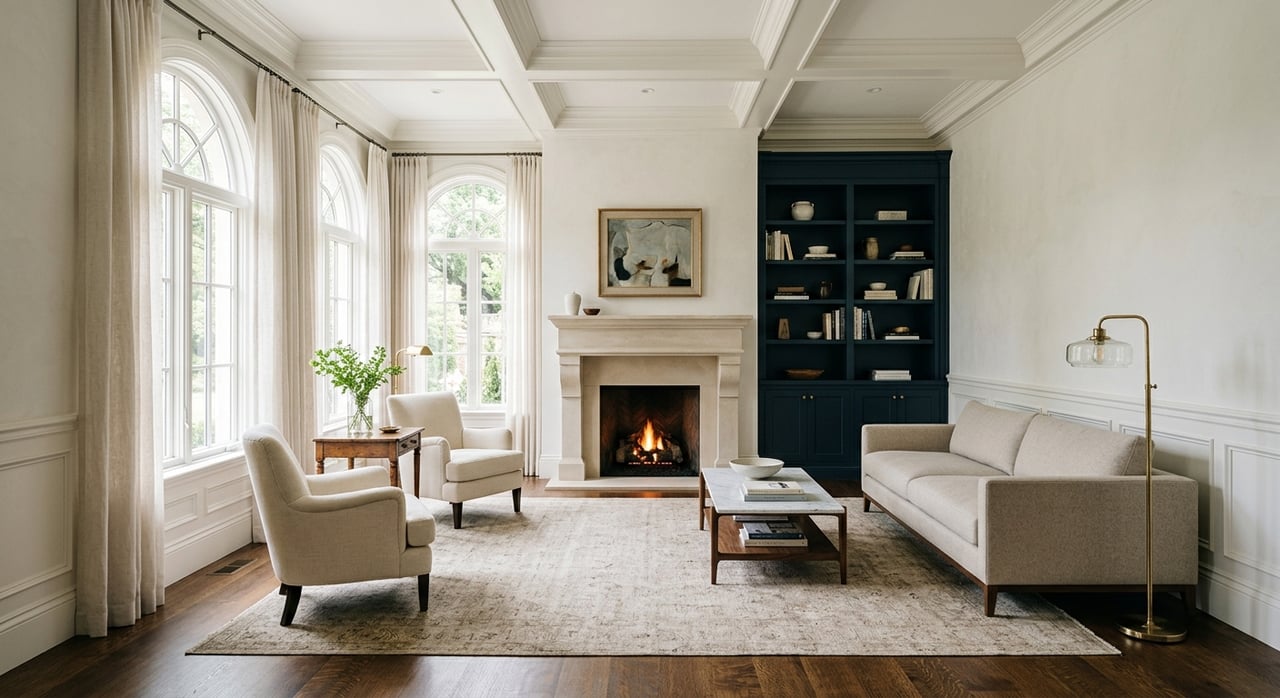
If you are getting ready to sell a historic home in Denver Country Club, the usual pre-list checklist is only part of the story. In this neighborhood, buyers are not just evaluating square footage and finishes. They are also responding to architectural character, preservation details, and how well the home fits its historic setting. A thoughtful plan can help you protect value, avoid preventable delays, and present your home with confidence. Let’s dive in.
Why Denver Country Club requires a different approach
Denver Country Club Historic District is a locally designated Denver Landmark District. The district was designated in 1990, with a period of significance from 1902 to 1945, and includes roughly 380 residences built largely during that era. That means your home’s historic context is part of what buyers are paying for, not just a backdrop.
The district guidelines describe an area known for substantial homes, spacious lots, and a strong architectural identity. If you are preparing to sell, that identity should shape your decisions before the home ever hits the market. In many cases, the best strategy is not to make the home feel newer. It is to make it feel well cared for, authentic, and thoughtfully presented.
Know the rules before exterior work
In Denver Country Club, exterior changes may require review by Denver Landmark Preservation. This applies to exterior work, development, and demolition on locally designated landmarks and historic-district properties when the work also requires a building, zoning, encroachment, or curb-cut permit.
Once approved, the city issues a Certificate of Appropriateness, which must be submitted with later permit applications. Denver also has custom design guidelines for Country Club and Country Club Gardens in addition to the citywide landmark guidelines. If you are considering exterior repairs or updates before listing, it is smart to confirm the review path first.
This matters because a rushed exterior project can create delays, added costs, or design choices that do not support the district character. A preservation-aware selling plan helps you avoid spending money in the wrong places.
Start with a pre-list inspection mindset
A pre-list inspection is not required, but it can be especially helpful in an older home. Finding issues early gives you time to make informed decisions, line up the right professionals, and reduce last-minute negotiation friction once you are under contract.
For a historic Country Club property, key areas to review include:
- Roof condition
- Gutters and downspouts
- Masonry
- Windows
- Plumbing
- HVAC systems
- Basement moisture
- Site grading
- Signs of past leaks or patchwork repairs
Denver’s climate makes this even more important. Colorado is generally cool, sunny, and low in precipitation, with wide day-to-day temperature swings. At the same time, moisture is a major cause of deterioration in older historic buildings. In practical terms, that means water management and exterior envelope maintenance deserve close attention before your home is shown to buyers.
Watch for lead and asbestos before cosmetic work
Many homes in Denver Country Club were built before 1978, so lead-based paint and asbestos are possible concerns. This is especially important if your first instinct is to freshen things up with paint, sanding, window work, or light renovation.
According to the EPA, pre-1978 homes are more likely to contain lead-based paint, and common renovation activities can create hazardous dust. The EPA also notes that asbestos can be released when materials are disturbed during maintenance, repair, or remodeling. If materials may be damaged or disturbed, trained professionals should handle that work.
The practical takeaway is simple. Before you start cosmetic updates, make sure you understand whether hazardous materials may be involved. That can help you avoid unnecessary risk, project disruption, and buyer concerns later.
Preserve the features buyers value most
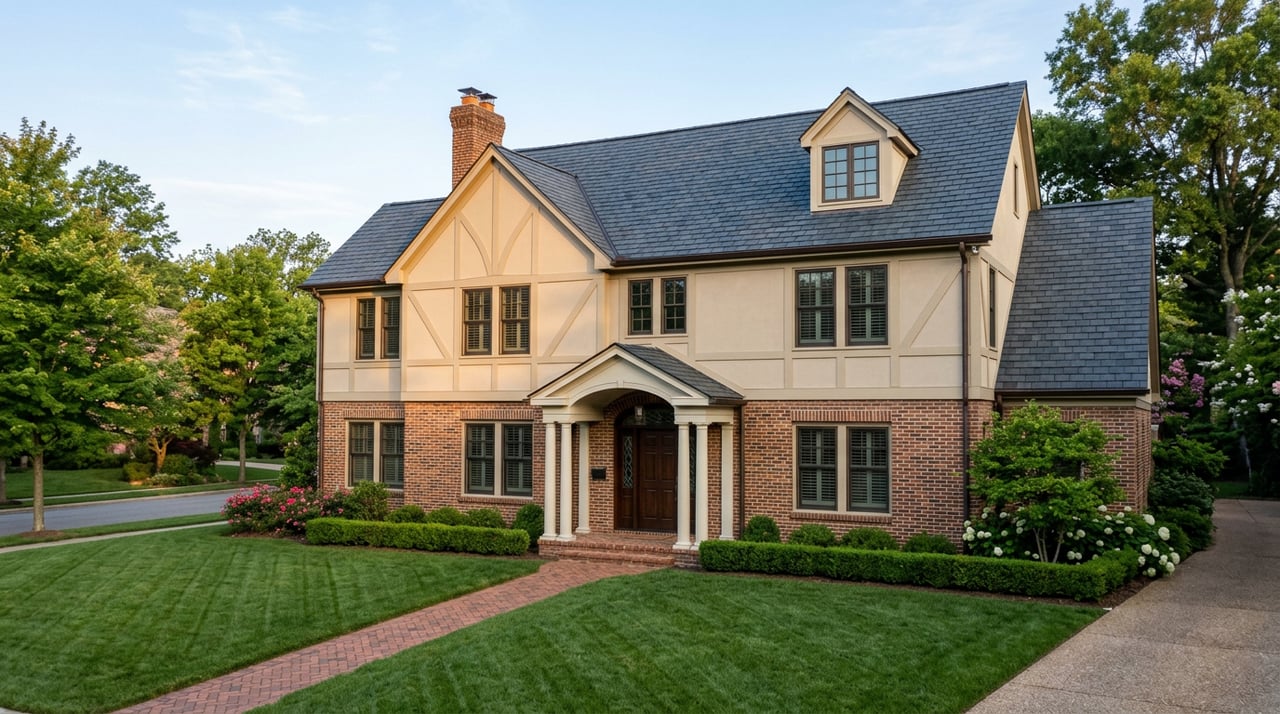
In Denver Country Club, character is a selling feature. The district’s custom guidelines favor original architectural language, including masonry exteriors, textured roofs, clearly defined entries, vertically proportioned inset windows, and visually open front yards.
That means the highest-value prep often comes from restoration, simplification, and maintenance rather than major redesign. Bright exterior color schemes or additions that feel oversized or overly modern can work against the district’s established character.
If you are deciding where to invest before listing, focus on the elements that make the home feel rooted in its era and setting. Buyers looking in Country Club are often drawn to exactly those details.
Repair windows before replacing them
Historic windows are a great example. National Park Service guidance recommends repair first and notes that performance can often be improved with weatherstripping, caulking, glazing repair, and storm windows rather than full replacement.
That can be a smart selling strategy in a historic district. Well-maintained original windows often support both architectural integrity and buyer appeal, especially when they look cared for and function properly.
Treat masonry carefully
Masonry is one of the defining materials in Country Club, and it needs a careful hand. The National Park Service notes that masonry is durable but can be damaged by improper maintenance, aggressive cleaning, and moisture issues.
Before listing, conservative repointing, thoughtful cleaning, and good roof runoff management can make a real difference. The goal is not to make masonry look brand new. It is to show that it has been preserved responsibly.
Stage for scale, not clutter
Historic Country Club homes often have formal rooms, generous proportions, and strong architectural lines. That is an advantage, but only if staging helps buyers understand the scale and flow.
A 2025 staging survey found that 83% of buyers’ agents said staging makes it easier for buyers to visualize a property as a future home. The living room ranked as the most important room to stage, followed by the primary bedroom and kitchen.
For a larger historic home, that usually means using appropriately sized furniture, preserving clear sightlines, and avoiding overcrowded rooms. In many cases, less is more. You want each room to feel elegant, functional, and easy to move through.
A practical staging priority list includes:
- Living room
- Primary bedroom
- Kitchen
- Dining room
These are often the spaces where buyers form their strongest emotional impression. In a formal home, good staging should support the architecture, not compete with it.
Build a simple provenance file
Historic homes tend to stand out more when their story is documented clearly. Provenance should not be treated as vague lore or a few interesting anecdotes. It works best as a concise, credible file that supports the listing presentation.
The National Park Service notes that historical documentation can draw from deeds, plats, maps, photographs, oral history, and prior research. For sellers, the most useful package is typically short, organized, and easy for buyers to understand.
Your provenance file may include:
- Build date
- Architect or builder, if verified
- Original plans or permit history, if available
- Renovation timeline
- Historic photographs
- Verified notable prior owners
- Confirmation of contributing status in the district
This kind of documentation can make your home feel specific and memorable. It also helps buyers understand why certain details matter and why thoughtful preservation adds value.
Focus on the updates that support a smoother sale
When you prepare a Denver Country Club historic home to sell, not every project offers the same return. In many cases, the most effective plan is built around a few core goals:
- Identify issues early
- Protect historic character
- Avoid unnecessary exterior missteps
- Present the home clearly and elegantly
- Back up the home’s story with documentation
That approach can help you move into the market with fewer surprises and a stronger narrative. It also signals to buyers that your home has been cared for with attention and respect.
Selling a historic property in Country Club is part marketing, part preparation, and part stewardship. When those pieces come together, your home is better positioned to stand out for the right reasons.
If you are thinking about selling in Denver Country Club, Julie Winger offers the kind of neighborhood insight, historic-home perspective, and high-touch listing strategy that can help you prepare with clarity and confidence.
FAQs
What makes preparing a Denver Country Club home different from preparing another Denver home?
- Denver Country Club is a locally designated historic district, so architectural character, preservation guidelines, and potential Landmark review for exterior work can shape your pre-list plan.
What should sellers inspect first in a Denver Country Club historic home?
- Sellers should pay close attention to the roof, gutters, downspouts, masonry, windows, plumbing, HVAC, basement moisture, grading, and any signs of prior leaks or patch repairs.
What exterior work may require review in Denver Country Club?
- Exterior work that requires a building, zoning, encroachment, or curb-cut permit may also require Denver Landmark Preservation review and a Certificate of Appropriateness.
What historic features should sellers preserve in a Denver Country Club home?
- Sellers should generally prioritize original character-defining elements such as masonry, textured roofs, defined entries, vertically proportioned windows, and the overall historic appearance of the home and site.
What rooms matter most when staging a Denver Country Club home for sale?
- The living room is typically the top staging priority, followed by the primary bedroom and kitchen, with the dining room also important in larger formal homes.
What is a provenance file for a Denver Country Club listing?
- A provenance file is a simple documentation package that may include the home’s build date, architect or builder, permit or renovation history, historic photos, and verified district-related details to support the listing story.