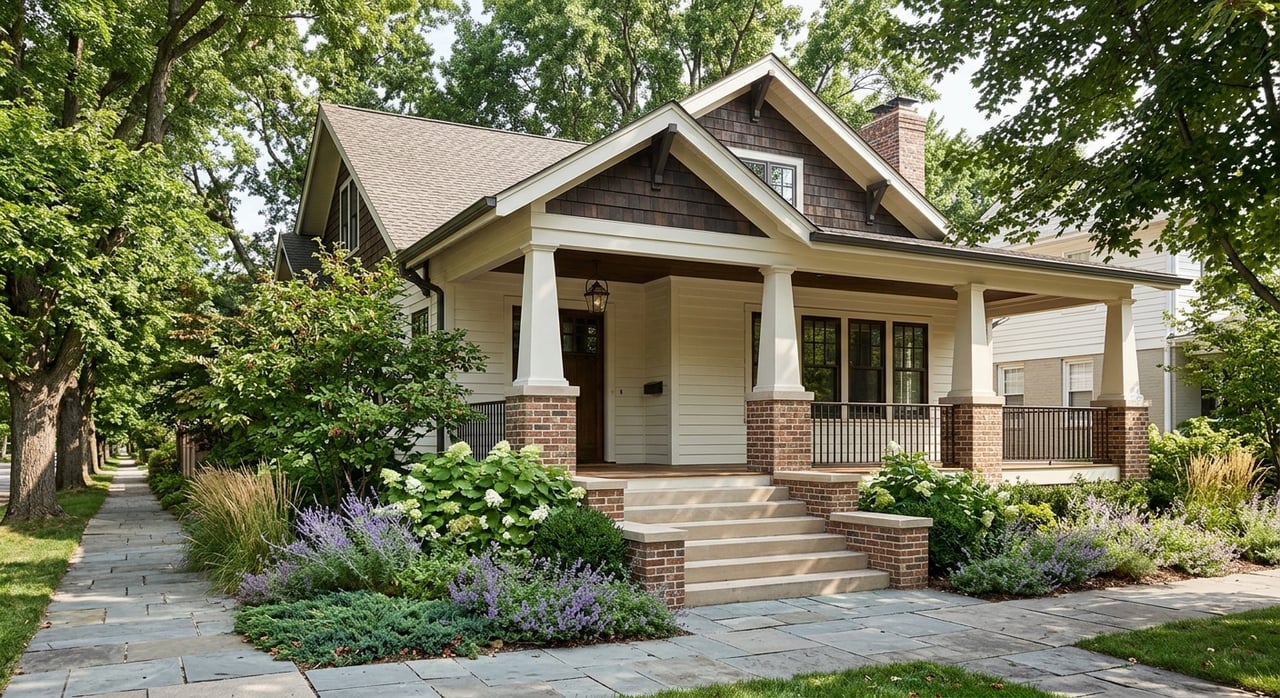
Choosing between Central Park and Lowry can feel surprisingly tricky, especially when the price gap is smaller than many buyers expect. If you are trying to decide where your day-to-day life will work best, the real differences are less about headline pricing and more about how each neighborhood lives, moves, and grows. This guide will help you compare housing, amenities, schools, and commuting so you can focus on the tradeoffs that matter most to you. Let’s dive in.
Why Central Park and Lowry Get Compared
Central Park and Lowry are both planned Denver communities with broad housing options, strong amenities, and well-known neighborhood identities. In March 2026, recent Redfin snapshots put their median sale prices at almost the same level, around $718,000 to $719,000.
That near tie is important because it shifts the conversation. Instead of asking which neighborhood is cheaper, you are more likely asking which one fits your lifestyle, housing preferences, and daily routine.
Housing Style and Buildout
Central Park Feels Newer
Central Park was built on the former Stapleton airport site and is still in its final chapter of development. Official community materials note that buyers can still find new homes there, including luxury townhomes, affordable homes, new condominium homes, and cottage-style single-family homes.
The community is organized into 12 neighborhoods, and the housing mix remains broad. Central Park also states that 10 percent of for-sale homes and 20 percent of for-lease homes are in the affordable range, which speaks to the variety of options still being added.
Lowry Feels More Established
Lowry is a redevelopment of the former Lowry Air Force Base and is now celebrating 30 years as a neighborhood. It includes nearly 3,000 single-family homes, duplexes, condos, and apartments, giving you a wide mix of established inventory.
Boulevard One is the last new neighborhood at Lowry. There, you can still find custom homes, single-family homes, row homes, and apartments, but overall Lowry is much more built out than Central Park.
What That Means for Buyers
If you want more current new-construction choices, Central Park has the edge. If you prefer a neighborhood that feels more settled, with a mature housing stock and an established rhythm, Lowry may feel like a better fit.
Neither choice is inherently better. It depends on whether you are drawn to an evolving community with newer product or a neighborhood that already feels largely complete.
Home Prices: More Similar Than Different
Central Park Pricing Snapshot
Redfin's March 2026 snapshot shows a median sale price of $718,000 in Central Park. New listings there had a median listing price of $765,000, and Central Park's developer materials note that new townhomes in Northfield start in the $600,000s.
Lowry Pricing Snapshot
In Lowry, Redfin's March 2026 median sale price was $719,000. New listings had a median listing price of $728,000, and Boulevard One materials say homes are priced from the $600,000s.
The Practical Takeaway
For many buyers, these numbers remove the idea that one neighborhood is an obvious budget play. With sale prices so close, your decision is more likely to come down to inventory style, neighborhood feel, and how you want to live every day.
That can be helpful. When two areas sit in a similar price range, you can spend more energy weighing the lived experience instead of chasing a price advantage that may not really be there.
Parks, Trails, and Daily Amenities
Central Park Offers Dense Everyday Amenities
Central Park packs a lot into its footprint. Community materials highlight 60 parks, two dog parks, 62 miles of trails, seven neighborhood pools, and about 25 percent of the acreage devoted to parks and nature.
Its commercial hubs include East 29th Avenue Town Center, Eastbridge Town Center, The Shops at Northfield, and Stanley Marketplace. The neighborhood also highlights Bluff Lake Nature Center along with farmers markets, concerts, movie nights, theater series, and seasonal events.
For many residents, that creates a neighborhood experience with a lot of touchpoints close to home. Pocket parks, trails, pools, and community programming can make everyday life feel active and connected.
Lowry Offers Big Open Space and an Established Core
Lowry's amenity pattern feels different. Community materials say the neighborhood has more than 800 acres of parks and open space, along with a recreation center, pool, dog park, sports complex, golf course, ice arena, and hiking and biking trails.
Its commercial core centers on Lowry Town Center, with additional dining in the Hangar 2 district and shopping that includes grocery, boutiques, and neighborhood services. Rather than a denser pattern of many smaller nodes, Lowry reads more like a mature neighborhood built around large open spaces and an established town-center feel.
Which Amenity Style Fits You?
If you want a neighborhood with many parks, trails, and gathering spots woven throughout the community, Central Park stands out. If you prefer larger open-space acreage and a more established town-center core, Lowry may align better with how you like to spend your time.
Schools and Day-to-Day Logistics
Central Park Has a Zone-Based Structure
For the 2025-26 school year, Denver Public Schools lists a Central Park-area elementary enrollment zone that guarantees a seat at one of six schools: Inspire, Isabella Bird, Swigert International, Westerly Creek, William Bill Roberts, or Willow. The current Greater Park Hill/Central Park middle-school zone guarantees a seat at Denver Green School Northfield, DSST Conservatory Green, DSST Montview, McAuliffe International, or Bill Roberts.
Central Park's own site also says the neighborhood is home to at least 23 schools across public, charter, and private options. For buyers who want to understand school logistics early, that more defined zone-based structure can be a meaningful part of the decision.
Lowry Is More School-by-School
Lowry Elementary, located at 8001 E Cedar Avenue, serves as the neighborhood's public-school anchor. Community school materials also point to nearby independent and early-childhood options such as Primrose School-Lowry, Graland Country Day School, and St. Elizabeth's School.
In Denver Public Schools, SchoolChoice and the School Finder should be used to confirm attendance by address because enrollment access is address-specific and can change from year to year. That is especially important if school planning is part of your home search.
A Useful Way to Compare
Central Park may appeal to buyers who want a clearer zone-based framework. Lowry may appeal to buyers who are comfortable evaluating options address by address, with Lowry Elementary as a neighborhood anchor and additional nearby choices to consider.
Commuting and Transit Access
Central Park Has a Rail Advantage
If train access matters to you, Central Park has a strong practical advantage. RTD's Central Park Station is a park-n-ride station on the A Line, and the current schedule shows about 13 minutes from Union Station to Central Park Station and about 24 minutes from Central Park Station to Denver Airport Station.
For buyers who split time between downtown, the airport, and home, that rail link can be a major quality-of-life factor. It adds predictability and can reduce how much you rely on driving for key trips.
Lowry Relies More on Bus and Driving
Lowry's transportation page highlights bus routes 6, 73, and 10 for access to downtown and north-south corridors. Boulevard One materials also note that Lowry Town Center is reachable from Boulevard One by a quick bus ride or short drive.
That setup can still work very well if you are comfortable with bus routes and driving. But if direct rail service is high on your list, Central Park is usually the more obvious match.
Central Park vs. Lowry at a Glance
| Category | Central Park | Lowry |
|---|---|---|
| Buildout | Still adding new homes | Mostly built out |
| Housing feel | Newer and evolving | Established and mature |
| Median sale price, March 2026 | $718,000 | $719,000 |
| New-home options | More current choices | Limited to final areas like Boulevard One |
| Parks and recreation | 60 parks, 62 miles of trails, 7 pools | 800+ acres of parks and open space, rec amenities |
| School structure | More zone-based DPS framework | More address-specific, school-by-school |
| Transit | A Line rail access | Bus routes and driving |
How to Decide Between Central Park and Lowry
The best choice often comes down to how you picture your weekly routine. Think about where you want to spend your weekends, how important new construction is, how you plan around school logistics, and whether rail access would make a real difference in your life.
Central Park tends to suit buyers who want newer housing options, lots of neighborhood amenities, and easier rail access. Lowry tends to suit buyers who want a more established neighborhood feel, broad open-space amenities, and a community that has already matured.
Because the pricing is so close right now, this is one of those comparisons where lifestyle fit matters more than a simple market stat. When you visit both with a clear lens on your priorities, the right answer often becomes much easier to see.
If you want help thinking through Central Park, Lowry, or how either compares with other Denver neighborhoods, Julie Winger offers thoughtful, neighborhood-focused guidance to help you make a confident move.
FAQs
How do Central Park and Lowry compare on home prices in Denver?
- As of March 2026, recent Redfin snapshots showed very similar median sale prices, with Central Park at $718,000 and Lowry at $719,000.
What is the main housing difference between Central Park and Lowry?
- Central Park still offers more current new-construction choices, while Lowry is more built out and generally feels more established.
Which Denver neighborhood has better transit, Central Park or Lowry?
- Central Park has the clearer rail advantage because it is served by RTD's A Line at Central Park Station, while Lowry relies more on bus routes and driving.
How do Central Park and Lowry compare for parks and recreation?
- Central Park highlights 60 parks, 62 miles of trails, and seven pools, while Lowry offers more than 800 acres of parks and open space plus a recreation center, sports complex, golf course, and ice arena.
What should buyers know about schools in Central Park and Lowry?
- Central Park has a more zone-based Denver Public Schools structure, while Lowry is more address-specific and anchored by Lowry Elementary, so buyers should confirm attendance details by address through Denver Public Schools.