What if you could live right on one of Denver’s most beloved parks and still choose from a wide mix of homes, from grand historic mansions to efficient studios with mountain views? If you are drawn to tree‑lined paths, easy access to the Botanic Gardens, and a central location, Cheesman Park might be your spot. In this guide, you will see how the neighborhood’s housing breaks down by type, typical sizes, price ranges, and the tradeoffs around views, HOAs, historic rules, and parking. Let’s dive in.
Why Cheesman Park stands out
Cheesman Park sits in east‑central Denver and pairs a storied past with city convenience. The park and nearby blocks hold recognized historic significance, including local historic districts and National Register listings that celebrate the area’s architecture and landscape history. You can explore that history through the neighborhood’s own overview and the National Park Service nomination materials for deeper context.
- Learn more about the area’s history from the Cheesman Park Advocacy Group’s park history page: Cheesman Park history.
- See the National Register documentation for architectural context: National Park Service nomination materials.
Central location also means everyday ease. Many buildings sit within a short stroll of dining, groceries, and cultural spots. That walkable lifestyle helps explain steady buyer and renter interest across age groups and life stages.
Housing types at a glance
Below are the core options you will find within a few blocks of the park, along with typical sizes and what to expect on price. Ranges reflect recent neighborhood snapshots from early 2026 and will vary by exact location, condition, views, and building prestige.
Historic mansions and large homes
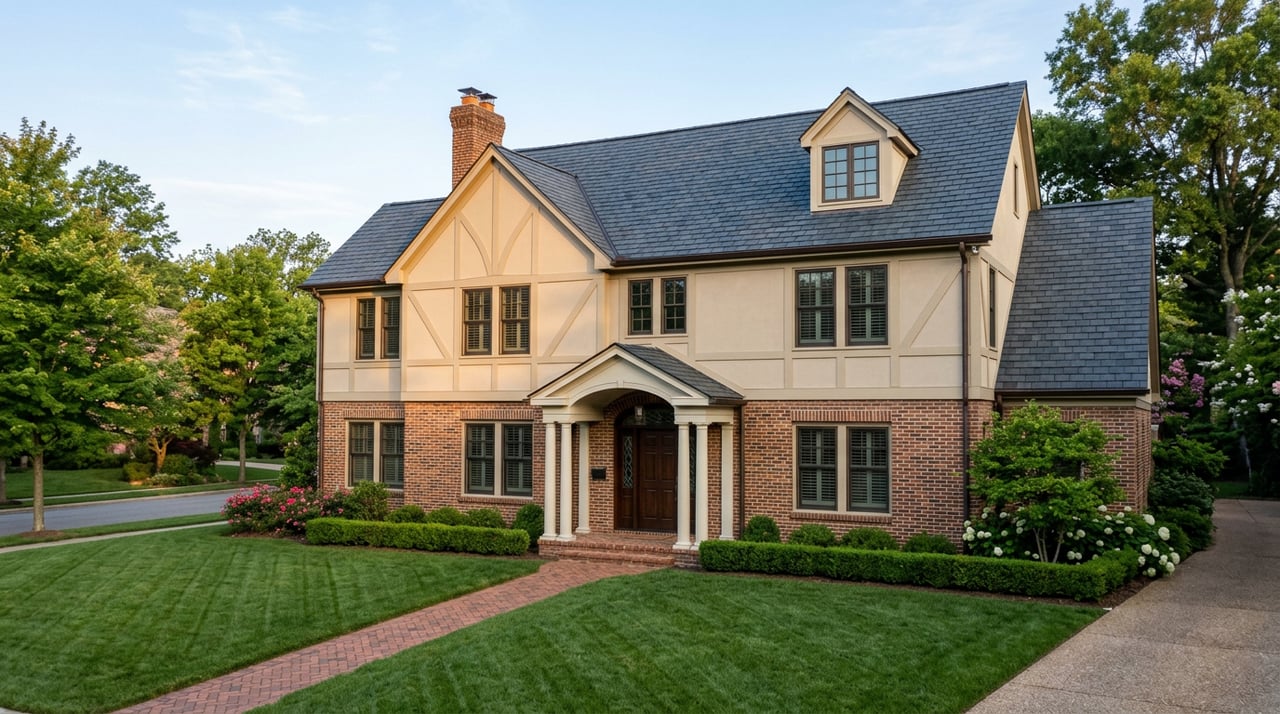
These late‑19th and early‑20th century residences show off Georgian Revival, Renaissance Revival, and Denver Square influences. Many sit on short blocks near the park, including portions of the Humboldt Street Historic District. Inside, expect multi‑level living, generous formal rooms, original millwork, and in some cases carriage houses or alley garages.
- Typical sizes: roughly 4,000 to 11,000 plus square feet for grand examples.
- Price expectations: about $1.5 million up to $6 million plus for rare, exceptional properties. Substantial single‑family homes near the park have also traded in the roughly $1.2 million to $1.6 million band depending on size and condition.
Converted mansions and large historic flats
Many turn‑of‑the‑century mansions have been subdivided into condos or multi‑unit buildings. You get high ceilings, large windows, and historic character with wide variation in layout.
- Typical sizes: studios and one‑bedrooms around 400 to 800 square feet, larger 2 to 3 plus bedroom flats from about 1,200 to 2,000 plus square feet.
- Price expectations: smaller or updated one‑bed units often land in the mid‑$200,000s and up, while large or fully restored flats with outdoor space can reach $600,000 to $900,000, with exceptional units pushing higher.
Mid‑century and amenity towers
Iconic “park towers” such as One Cheesman Place, Embassy House, and Cheesman Towers deliver floor‑to‑ceiling glass, balconies, and sweeping city or mountain views. Many were built as apartments in the mid‑20th century and later converted to condos. Amenities can include pools, gyms, on‑site management, and secured parking.
- Typical sizes: 1 to 2 bedrooms around 700 to 1,500 square feet, larger 2 to 3 bedrooms and some full‑floor residences about 2,000 to 4,000 plus square feet.
- HOA reality: dues vary by building, unit size, and amenities. Budget for several hundred dollars per month up to well over $1,000 in full‑service or premium buildings. See the HOA section below for how to assess financial health.
Low‑rise historic flats, studios, and 1‑bed condos
Walk‑ups and low‑rise buildings from the 1920s to the 1960s offer some of the most affordable entry points to Cheesman Park living. Expect character details, efficient layouts, and proximity to neighborhood conveniences.
- Typical sizes: studios about 350 to 650 square feet, 1‑bedrooms about 600 to 900 square feet.
- Price expectations: roughly $175,000 to $400,000 for studios and small 1‑beds depending on condition and location. Updated 1‑beds in mid‑century buildings commonly list in the $300,000 to $450,000 range in recent snapshots.
Townhouses and infill new builds
Newer townhomes and small infill projects appear more a few blocks off the park where the historic fabric allows redevelopment. You trade a bit of park proximity for modern systems, private entries, and often attached garages.
- Typical sizes: 2 to 3 bedrooms with contemporary floor plans.
- Price expectations: generally between typical condos and detached single‑family homes.
Park proximity and view tradeoffs
Park‑front premium
Homes and condos facing Cheesman Park often command a premium and move faster. In towers, west‑facing units commonly highlight panoramic mountain views from higher floors. Balconies or terraces that open toward the park or the foothills add measurable value.
One to two blocks off
Just a block or two away, you can often find better value with easier parking and less foot traffic. You may still get treetop or skyline views on higher floors, with quick access to the park for daily routines.
Three to five blocks out
A few blocks further opens up more townhouse and infill choices. You may gain modern systems, garages, and a quieter setting. Prices typically moderate as you move away from direct park frontage, depending on size and finish.
HOA costs and how to evaluate them
Colorado’s condo and HOA communities are governed by the Colorado Common Interest Ownership Act. Recent updates outlined by the Colorado Division of Real Estate affect association governance, collections, and owner protections. Before you buy, read the full HOA package and focus on reserves and upcoming projects.
- Read about current statutory updates and guidance: Colorado Division of Real Estate legislative summaries.
- Understand why reserves matter and what a reserve study is: Colorado reserve study guidance.
What HOA dues commonly include in Cheesman Park buildings:
- Building insurance, exterior maintenance, snow removal, and landscaping.
- Common utilities in some towers, such as heat and water, plus shared amenities.
- On‑site management or security in higher‑service buildings.
What to review before you waive contingencies:
- The last 12 months of HOA financials and current budget.
- Any reserve study and the schedule for big capital items, such as roof, windows, and elevators.
- Meeting minutes for hints of upcoming special assessments or litigation.
- Rental rules, including any caps or minimum lease lengths.
Practical takeaway: HOA dues in Cheesman Park range from several hundred dollars per month into the four figures for amenity‑rich or premium units. Treat dues and reserves as a core part of your ownership cost, not an afterthought.
Historic rules made simple
Cheesman Park includes properties that are nationally recognized and properties that carry local landmark protection. It matters which applies to your home because the review process differs.
- National Register status recognizes historic importance, but it does not by itself trigger city design review for private exterior work. See the National Park Service nomination materials for background.
- Local landmark designation or location within a locally designated historic district does require review by Denver Landmark Preservation for exterior changes visible from the street. Learn about the Landmark Design Review process.
- If you own or plan to buy an income‑producing historic property, explore potential state historic preservation income tax credits.
Plan ahead if you anticipate replacing windows or roofs, altering porches, or adding on. Build extra time into your project schedule for design review where required.
Price brackets by property type
Below are practical, early‑2026 ranges across Cheesman Park. Actual pricing depends on orientation, floor level, views, condition, and building prestige.
- Studios and small 1‑bed condos: about $175,000 to $400,000.
- 1 to 2 bedroom tower or mid‑century condos: about $300,000 to $700,000.
- Larger flats, enclosed terraces, renovated historic units: about $600,000 to $1.2 million.
- Single‑family homes near the park: roughly $700,000 to $1.8 million, with substantial homes often in the $1.2 million to $1.6 million range.
- Mansions and trophy historic houses: roughly $1.5 million to $6 million plus for rare and exceptional properties.
Buyer checklist for Cheesman Park
Use this quick list to compare homes confidently and avoid surprises.
- Confirm “park facing” claims and which direction balconies or primary windows face. West orientation on higher floors often brings mountain views.
- Review HOA documents: budget, reserve study, CC&Rs, insurance declarations, recent special assessments, and the last year of meeting minutes. See Colorado reserve study guidance for what to look for in reserves.
- Verify parking: deeded space, assigned space, garage, or waitlist. Understand guest parking policies in advance.
- If historic: check whether the property is individually landmarked or inside a local district, and whether your planned exterior work needs a Certificate of Appropriateness.
- Order thorough inspections, especially for older buildings. Ask about roof, windows, boilers or chillers, and elevator modernization plans.
How Julie helps you choose
Cheesman Park rewards buyers who understand block‑by‑block nuance, HOA realities, and historic rules. You deserve clear guidance on tradeoffs like views versus dues, or park frontage versus quieter streets. With deep central‑Denver expertise and a historic‑home specialty, Julie brings calm, practical advice and negotiation skill to keep your purchase on track and aligned with your goals.
If you are considering a sale, Julie’s premium presentation and pricing strategy help maximize your result in a neighborhood where character and details matter. Curious what is possible for you in Cheesman Park? Schedule a neighborhood consultation with Julie Winger.
FAQs
Can you find a Cheesman Park condo under $300,000?
- Yes. Smaller studios or one‑bed units in older low‑rise buildings sometimes list under $300,000, though availability varies with the season and inventory.
Do park‑front and west‑facing units cost more in Cheesman Park?
- Generally yes. Units with direct park frontage or higher floors with west‑facing mountain views typically command noticeable premiums.
Are exterior renovations restricted on historic Cheesman Park homes?
- If a home is locally landmarked or inside a local historic district, most exterior work visible from the street requires Landmark Design Review and a Certificate of Appropriateness. National Register status alone does not trigger city review.
How should you budget HOA dues and potential assessments in Cheesman Park condos?
- Budget current monthly dues plus a contingency for special assessments. Review the HOA’s financials, any reserve study, and meeting minutes to gauge reserves and upcoming capital projects, then factor that into your total cost.