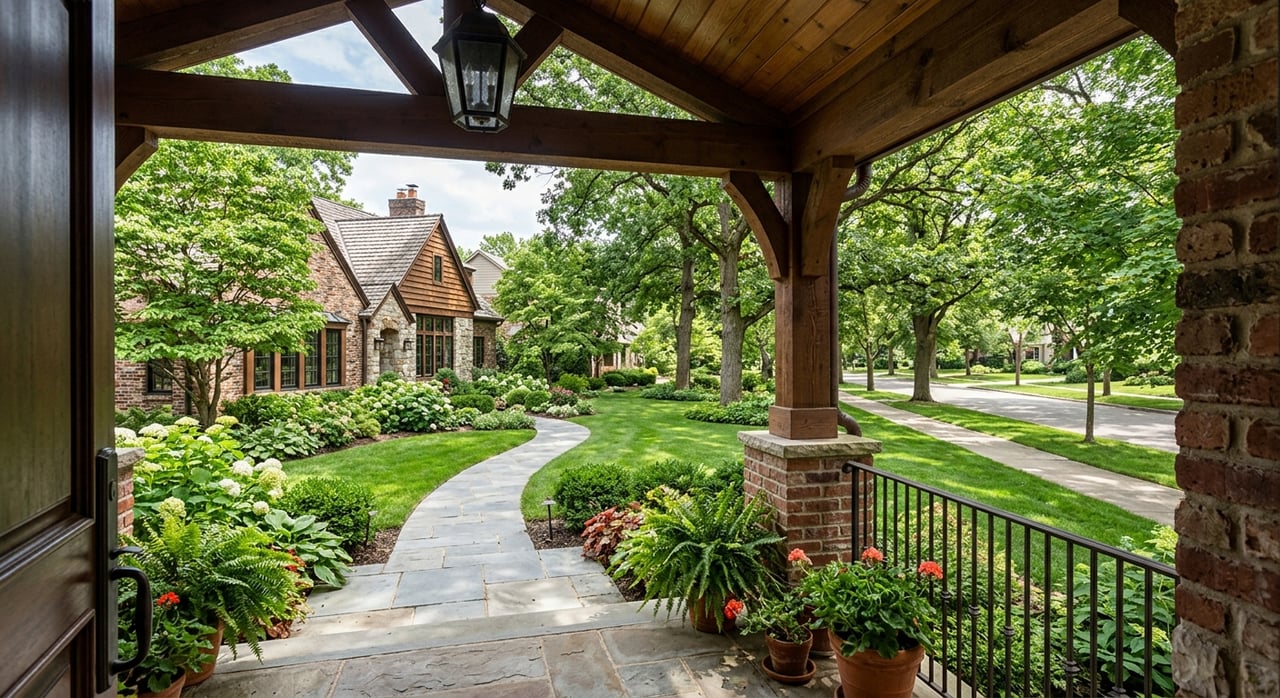
If you want a Denver neighborhood that feels planned but not sterile, active but still relaxed, Lowry tends to get your attention fast. You may be looking for walkable errands, more green space in your daily routine, or a neighborhood with a little more identity than a standard subdivision. Lowry stands out for all of those reasons, and it offers a lifestyle that feels distinct within east Denver. Let’s dive in.
Lowry Has a Strong Sense of Place
Lowry is not a conventional neighborhood built all at once around a few winding streets. It is a redeveloped former Air Force base that became a mixed-use, master-planned community with residential areas, commercial space, parks, and open space.
That history still shapes everyday life. More than 20 original base buildings were saved and repurposed, which gives the area a grounded, recognizable character. Instead of feeling generic, Lowry often feels connected to its past in a way that adds texture to ordinary routines.
Denver Urban Renewal Authority describes the neighborhood as spanning the former 1,866-acre base bounded by Monaco Parkway, Alameda Avenue, Dayton Street, and 11th Avenue. The same source says more than 25,000 people live, work, and go to school there, which helps explain why Lowry feels like a complete community rather than a single-use residential pocket.
Parks Shape Everyday Life in Lowry
One of the biggest draws in Lowry is how often green space shows up in your day. The neighborhood includes nearly 800 acres of parks and recreational areas, along with 18 parks and open spaces.
That amount of open land changes how a neighborhood feels. Walks are more scenic, recreation is easier to fit into a busy week, and outdoor space becomes part of your routine instead of a special trip.
The park system includes a wide range of places, such as:
- Great Lawn Park
- Bayaud Park
- Crescent Park
- City of Ulaanbaatar Park
- Lowry Dog Park
- Linear Park
- Yosemite Open Space
- Westerly Creek Dam
- The Reading Garden
- Lowry Sports Complex
The Lowry Community Master Association says about 35 percent of that park acreage is devoted to native plants and grasses, with less than half in sod. In practical terms, that contributes to a landscape that feels more varied than rows of turf alone.
Recreation Options Are Built In
In some neighborhoods, recreation means driving somewhere else. In Lowry, many options are already part of the community fabric.
The neighborhood’s recreation resources include a sports complex, golf course, natural reserve areas, a community recreation center, and an ice arena. If you like having multiple ways to stay active close to home, that variety can be a real advantage.
This setup also supports different kinds of routines. You might start your morning with a walk through open space, spend part of the weekend at a sports field, or make use of indoor recreation during colder months. That kind of flexibility is part of what makes everyday life in Lowry feel convenient.
Public Art Adds Personality
Lowry’s appeal is not only about parks and preserved buildings. It also has small details that make the neighborhood feel more personal.
The Lowry Foundation maintains 13 pieces of public art along with several Little Free Libraries. That means a simple walk around the neighborhood can include visual landmarks and community touches that make the area feel cared for and memorable.
For buyers who value neighborhood identity, these details matter. They do not just decorate the area. They help create the feeling that Lowry was designed to be lived in, not simply occupied.
Errands Are Easy Around Town Center
Daily convenience is a big part of whether a neighborhood works for you long term. Lowry Town Center serves as the neighborhood’s main errands hub, with a concentrated mix of shopping within easy walking distance of each other.
The Lowry Community Master Association notes that the Town Center includes options ranging from Albertsons to boutique clothing stores. For many residents, that means you can handle routine stops without needing to zigzag across the city.
That convenience can shape your week in subtle but important ways. Quick grocery trips are easier, last-minute errands feel less disruptive, and it becomes more realistic to leave the car parked for shorter outings.
Dining in Lowry Feels Local and Lived-In
Lowry also offers a dining scene that feels accessible rather than overly formal. A key anchor is the Hangar 2 area, which developed into the Lowry Dining District around a preserved historic hangar.
Denver Urban Renewal Authority says this area includes roughly 35,000 square feet of restaurant, retail, and office space in the heart of the neighborhood. That adaptive reuse gives the district a setting that feels specific to Lowry rather than interchangeable with any other commercial center.
The local restaurant mix includes familiar neighborhood options residents can actually build into their routines, including:
- Cafe Mercato
- Chop Shop
- Copper Door Coffee Roasters
- The Delectable Egg
- Einstein Bros Bagels
- Lowry Beer Garden
- North County
- Walter's 303 Pizzeria and Publik House
- Woodgrain Bagels
For you, that can translate into easier casual meetups, coffee runs, weekend brunches, and dinner close to home. It is less about destination dining and more about having useful, enjoyable options built into everyday life.
Community Spaces Help Lowry Feel Connected
A neighborhood often feels stronger when it has places where people naturally gather. In Lowry, one notable example is Eisenhower Chapel.
The Lowry Foundation describes it as Lowry’s Town Hall, hosting lectures, concerts, meetings, movies, weddings, and funerals. That range says a lot about the role it plays. It is not just a preserved building. It is a working community space woven into neighborhood life.
That kind of venue can deepen your sense of connection to where you live. It creates room for both routine civic use and important life events, which gives Lowry a more established, communal feel.
Housing Options Offer More Flexibility
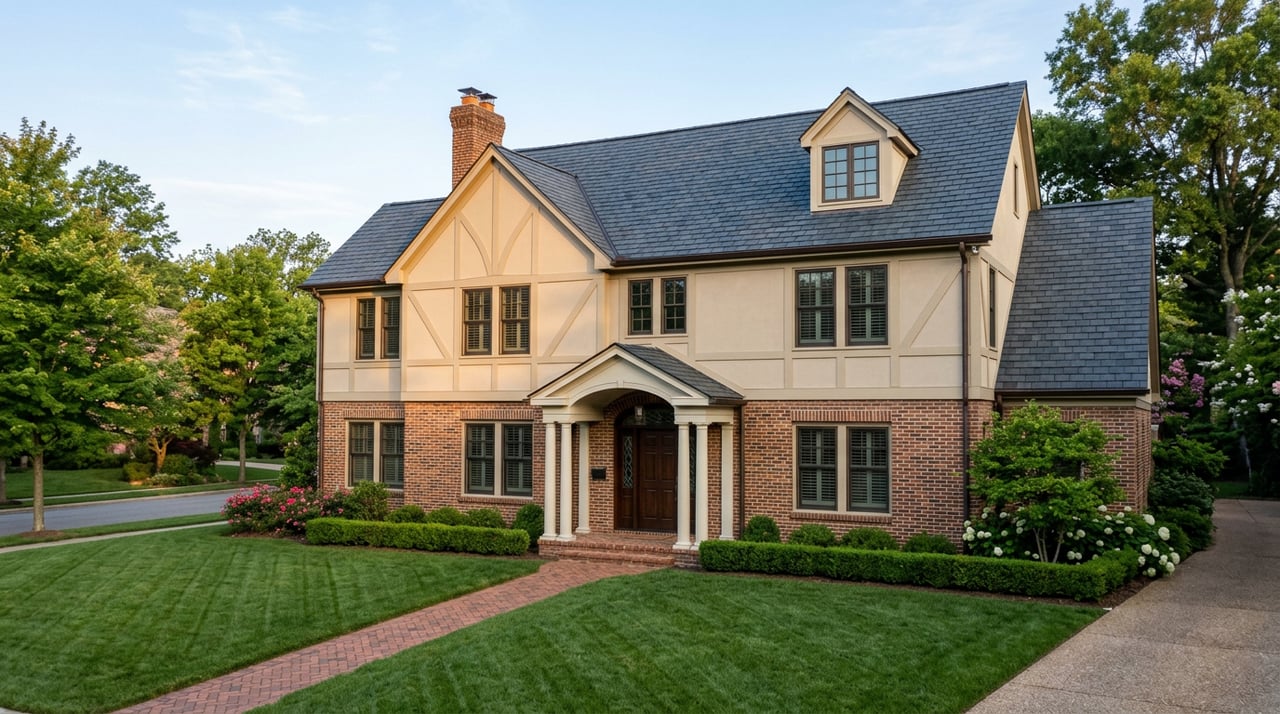
If you are considering a move to Lowry, one of the most practical advantages is the variety of housing types. The neighborhood includes nearly 3,000 single-family homes, duplexes, condos, and apartments, with additional variety in townhomes, lofts, cottages, twinhomes, and multifamily buildings.
That mix matters because it creates more than one way to live in the neighborhood. Some buyers may want a detached home, while others may prefer an attached option with a different maintenance profile or price point.
The design framework for Lowry reflects that variety on purpose. It distinguishes among single-family detached homes, duplexes, row-house and townhome forms, and multifamily buildings, which helps explain why the neighborhood can feel cohesive without feeling repetitive.
A Maintained Look Supports Daily Enjoyment
Lowry is also known for a tidy, visually consistent feel. According to the Lowry Community Master Association, quarterly dues help maintain public spaces, parks, neighborhood monuments, trees, alley maintenance, and community events.
That kind of upkeep affects more than appearances. It can influence how pleasant the neighborhood feels day to day, from cleaner shared spaces to better-maintained landscaping and common features.
For many buyers, that consistency is part of Lowry’s appeal. It supports a polished environment while still allowing the neighborhood’s history and mix of building types to come through.
Getting Around Lowry and Beyond
Location is another part of Lowry’s everyday practicality. The neighborhood sits in east Denver, and RTD Route 6 East 6th Avenue includes the Lowry-Yosemite stop, continuing west to 11th-Larimer in downtown Denver and east to Aurora Metro Center Station.
That does not guarantee the same commute experience for every household, of course. Still, it does point to a practical transit connection to downtown Denver and the east metro for residents who want another way to get around.
By car or transit, Lowry’s position can make it a useful middle ground. You get a neighborhood with its own identity and amenities while staying connected to the broader city.
Who Lowry Often Appeals To
Lowry can work for a wide range of buyers because it combines several qualities that are not always easy to find together. You have a planned neighborhood layout, a meaningful amount of open space, preserved historic elements, everyday shopping, and a broad housing mix.
In practical terms, Lowry may appeal to you if you are looking for:
- Easy access to parks and recreation
- A neighborhood with built-in daily conveniences
- A mix of home styles and ownership options
- A setting with visible history and adaptive reuse
- Community spaces that support local events and gatherings
- East Denver access with a link toward downtown and Aurora
That blend is part of what makes Lowry feel durable. It is not relying on one standout feature alone. The neighborhood works because several parts of daily life connect in one place.
Why Lowry Stands Out in Denver
Some neighborhoods win you over with architecture. Others stand out for parks or convenience. Lowry’s strength is that it combines these elements into a lifestyle that feels balanced.
You can run errands without going far, spend time outdoors without planning a full outing, and enjoy a neighborhood that still reflects its original history. For many buyers, that mix creates a sense of ease that is hard to measure but easy to feel once you spend time there.
If you are weighing where to buy in Denver, Lowry is worth a closer look for its everyday livability as much as its long-term appeal. And if you are preparing to sell in Lowry, understanding how buyers experience these daily advantages can help shape a stronger positioning strategy. If you want thoughtful guidance on Denver neighborhoods and how to match lifestyle fit with the right home, connect with Julie Winger.
FAQs
What is everyday life like in Lowry, Denver?
- Everyday life in Lowry often centers on nearby parks, easy errands at Town Center, casual dining options, and community spaces like Eisenhower Chapel.
What types of homes are available in Lowry, Denver?
- Lowry includes single-family homes, duplexes, condos, apartments, townhomes, lofts, cottages, twinhomes, and other multifamily options.
How much park space is in Lowry, Denver?
- The Lowry Community Master Association says the neighborhood has nearly 800 acres of parks and recreational areas, including 18 parks and open spaces.
Where do residents shop and dine in Lowry, Denver?
- Many day-to-day errands happen at Lowry Town Center, while dining options are concentrated around the Town Center and the Hangar 2 Lowry Dining District.
Does Lowry, Denver have public transit access?
- RTD Route 6 East 6th Avenue includes the Lowry-Yosemite stop and connects west toward downtown Denver and east toward Aurora Metro Center Station.
What makes Lowry different from other Denver neighborhoods?
- Lowry stands out for its former Air Force base history, preserved and repurposed buildings, extensive parks and recreation areas, mixed housing types, and strong neighborhood identity.