Buying your first home in Central Park can feel exciting and a little overwhelming at the same time. You want a neighborhood that works for your budget, your commute, and your day-to-day life, but you also want to make a smart long-term decision. The good news is that Central Park and nearby areas offer several paths into homeownership if you know what to compare and what to ask. Let’s dive in.
Why Central Park Draws First-Time Buyers
Central Park is one of Denver’s largest master-planned areas, built on the former Stapleton airport site and now home to more than 30,000 residents, according to the Master Community Association. That scale matters when you are a first-time buyer because it usually means more housing variety, more amenities, and more ownership experiences under one neighborhood name.
The area also offers a lifestyle many buyers want from day one. The 80-acre Central Park is Denver’s third-largest park, and the broader neighborhood cluster includes trails, shopping, dining, and recreation. Visit Denver groups Central Park with Lowry and Northfield, highlighting access to Northfield, Stanley Marketplace, Hangar 2, and a trail-heavy setting.
For a first-time buyer, that combination can be appealing because you are not only buying a home. You are also buying into how you want your week to feel, from errands and workouts to transit and time outdoors.
What Homes First-Time Buyers Should Target
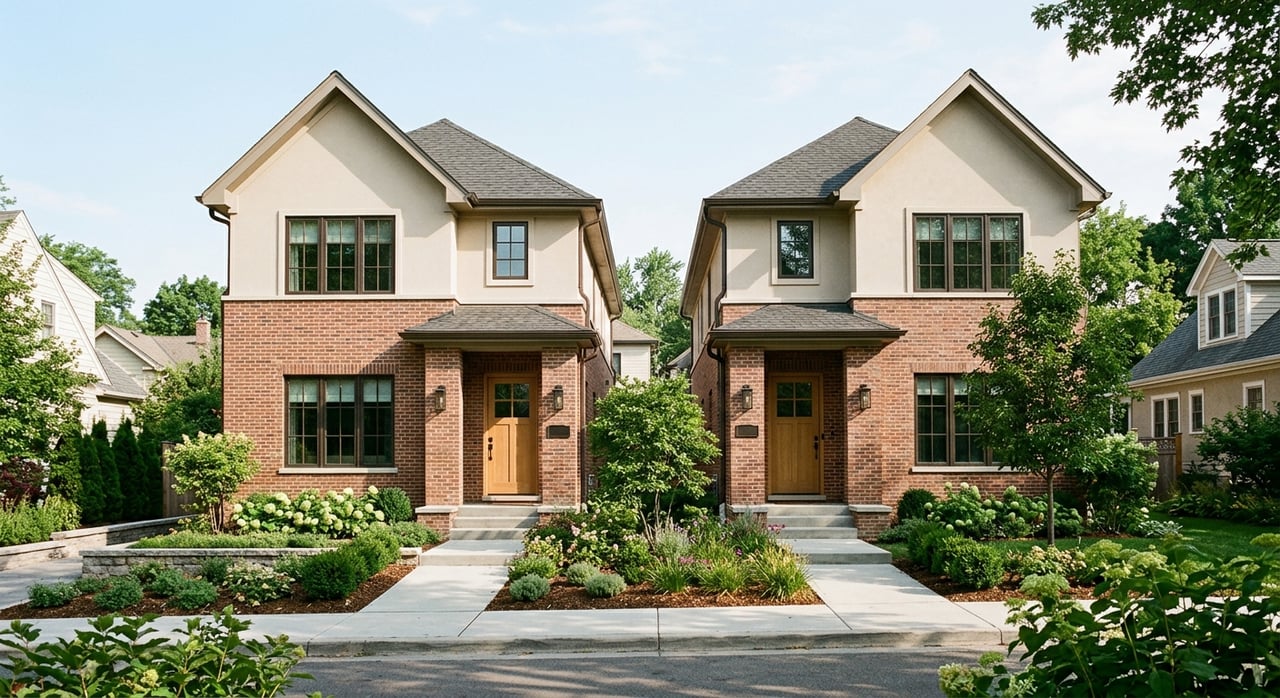
If you start your search in Central Park assuming you need a detached house, you may miss some of the most practical entry points. The community’s sub-association list includes condos, flats, row homes, paired homes, townhomes, lofts, and rows, which strongly suggests that attached and smaller-footprint ownership is a meaningful part of the housing mix.
That matters because first-time buyers often need flexibility. A condo or townhome may offer a lower purchase price, less exterior maintenance, or a location closer to daily conveniences. In a neighborhood as large as Central Park, these options can help you get into the market without stretching for a home that does not fit your monthly comfort level.
The City of Denver has also supported smaller ownership opportunities here. In 2021, Central Park Urban Living Condos opened with 132 one- and two-bedroom homes near Central Park Station. While not every buyer will qualify for a specific program, it is another sign that smaller ownership product has been part of the neighborhood’s housing picture.
Compare Central Park to Nearby Areas
A smart first-home search often works better when you compare a few nearby areas instead of locking into one neighborhood too early. In this part of Denver, Lowry and Northfield are useful places to evaluate alongside Central Park because they share the broader amenity cluster described by Visit Denver.
That does not mean they feel identical. It means they can offer different tradeoffs in home type, price point, transit convenience, and day-to-day rhythm. If you are deciding between a condo, row home, or townhome, comparing these nearby areas can help you define what matters most.
Northeast Park Hill is another area worth watching in the broader northeast Denver conversation. In 2025, the city celebrated the opening of Holly38, a 253-unit income-restricted rental community that includes four-bedroom townhomes. While rentals are different from ownership, this does show that the broader area continues to add housing options in a variety of formats.
Understand the Real Monthly Cost
One of the biggest first-time buyer mistakes is focusing only on mortgage payment estimates and overlooking the rest of the monthly cost. In Central Park, that can be especially important because your ownership costs may include HOA dues, sub-association dues, and metro-district-related taxes.
The Master Community Association says it is funded through property assessments, special district taxes, and earned income from public facilities. The community resource directory also explains that the Park Creek Metro District and Westerly Creek Metro District play roles in funding and taxing for public infrastructure.
The City of Denver notes that metropolitan districts are separate political subdivisions of the State of Colorado and must file annual budgets and financial statements or other reports with DOLA. For you, the practical lesson is simple: ask what fees and tax layers apply to the exact property, and treat them as part of your monthly housing budget from the start.
Ask Better HOA Questions
Not all HOA setups are the same, and in Central Park, the same neighborhood name can include very different ownership structures. One condo may include more exterior maintenance and shared services, while another attached home may have different responsibilities, rules, or fee levels.
Colorado DORA’s HOA Homeowner Toolkit says buyers should review governing documents before purchasing. It also explains that associations may provide different services, such as snow removal, trash service, or community engagement, and that HOA and special-district boundaries can overlap.
As you compare homes, ask questions like these:
- What are the monthly HOA dues?
- Are there additional sub-association dues?
- What services are included?
- Are there pet, parking, rental, or design rules?
- Are there upcoming assessments or major projects?
- How do HOA costs and district taxes affect the full monthly payment?
These details may not be the most exciting part of home shopping, but they can make a major difference in affordability and future flexibility.
Transit and Commute Matter Here
For many first-time buyers, location is really about time. How long will it take you to get to work, the airport, or downtown? How easy is it to run daily errands without feeling disconnected from the rest of the city?
Central Park has a strong transit feature in Central Park Station, which includes a rail Park-n-Ride with 1,500 parking spaces, paid parking, nine bus routes, and A Line access. According to RTD’s A Line facts, the line is 23 miles long, serves eight stations, runs about 37 minutes between Union Station and Denver International Airport, and offers 15-minute daytime service.
That kind of connectivity can be helpful whether you commute regularly, travel often, or simply want more options. Even if you drive most days, access to rail and bus service can still influence how convenient a home feels over time.
Look Beyond the Front Door
A first home should fit your everyday life, not just your pre-approval letter. Central Park offers several amenities that can shape how livable the area feels once you move in.
The Central Park Recreation Center includes an indoor pool, gymnasium, fitness areas, and event space. The broader area also offers 46 miles of urban trails and access to the Rocky Mountain Arsenal National Wildlife Refuge, plus shopping and dining destinations nearby.
When you tour homes, think about the full pattern of your life. Where will you shop? How often will you use the trails or recreation center? Do you want to be close to transit, or is parking more important? The answers can help you narrow your search in a more confident way.
Think About Resale Early
It may feel strange to think about resale before you have even bought your first place, but it is one of the smartest things you can do. Your first home is often a stepping stone, and the features that make a home work for you today may also shape how marketable it is later.
In Central Park, resale conversations are often strongest when they focus on practical details. Based on the neighborhood structure and amenities, key factors can include the exact sub-association, the total fee stack, parking setup, commute convenience, and how much of the monthly payment goes toward HOA or district obligations versus principal and interest.
This is one reason broad neighborhood labels are not enough. Two homes in Central Park may sound similar online but offer very different ownership experiences once you look at dues, rules, maintenance obligations, and location within the community.
A Simple First-Time Buyer Strategy
If you are just getting started, keep your process focused and realistic. You do not need to know everything on day one, but you do need a good framework.
Here is a practical way to approach your search:
- Define your monthly comfort zone including mortgage, taxes, insurance, HOA dues, and possible district-related costs.
- Prioritize home type by deciding whether a condo, paired home, row home, or townhome best fits your budget and lifestyle.
- Compare nearby areas like Central Park, Lowry, and Northfield to understand your options.
- Review transit and amenity access based on your real daily routine.
- Request HOA and association documents early so there are fewer surprises later.
- Evaluate resale basics such as parking, fee structure, and location within the neighborhood.
With a neighborhood this layered, the goal is not just finding a property. It is finding the right version of ownership for your life and budget.
If you are weighing Central Park against other Denver neighborhoods and want grounded, thoughtful guidance, Julie Winger offers a personalized, neighborhood-focused approach to help you compare options and move forward with confidence.
FAQs
What makes Central Park appealing for first-time buyers in Denver?
- Central Park offers a large mix of housing types, access to parks and trails, retail and dining nearby, and transit connections through Central Park Station, which can give first-time buyers more lifestyle and budget options.
What home types should first-time buyers look for in Central Park?
- Many first-time buyers start with condos, flats, row homes, paired homes, lofts, or townhomes because the neighborhood includes many attached and smaller-footprint ownership options.
What should buyers know about HOA fees in Central Park?
- Buyers should review the exact HOA or sub-association structure for each property, what services are included, what rules apply, and how dues affect the full monthly cost.
What are metro districts in Central Park, Denver?
- Metro districts are separate political subdivisions in Colorado that can help fund infrastructure, and their taxes or related costs should be reviewed as part of your total housing expense.
How is transit in Central Park for Denver buyers?
- Central Park Station provides A Line rail service, bus connections, and Park-n-Ride parking, with RTD reporting about 37 minutes between Union Station and Denver International Airport and 15-minute daytime service on the A Line.
Which nearby areas should first-time buyers compare to Central Park?
- Lowry and Northfield are useful comparison areas because they share a broader amenity cluster with Central Park, and Northeast Park Hill is also part of the wider northeast Denver housing conversation.
Why does resale matter when buying a first home in Central Park?
- Resale matters because factors like sub-association rules, total fees, parking, and commute convenience can affect both your ownership experience and the home’s future buyer appeal.