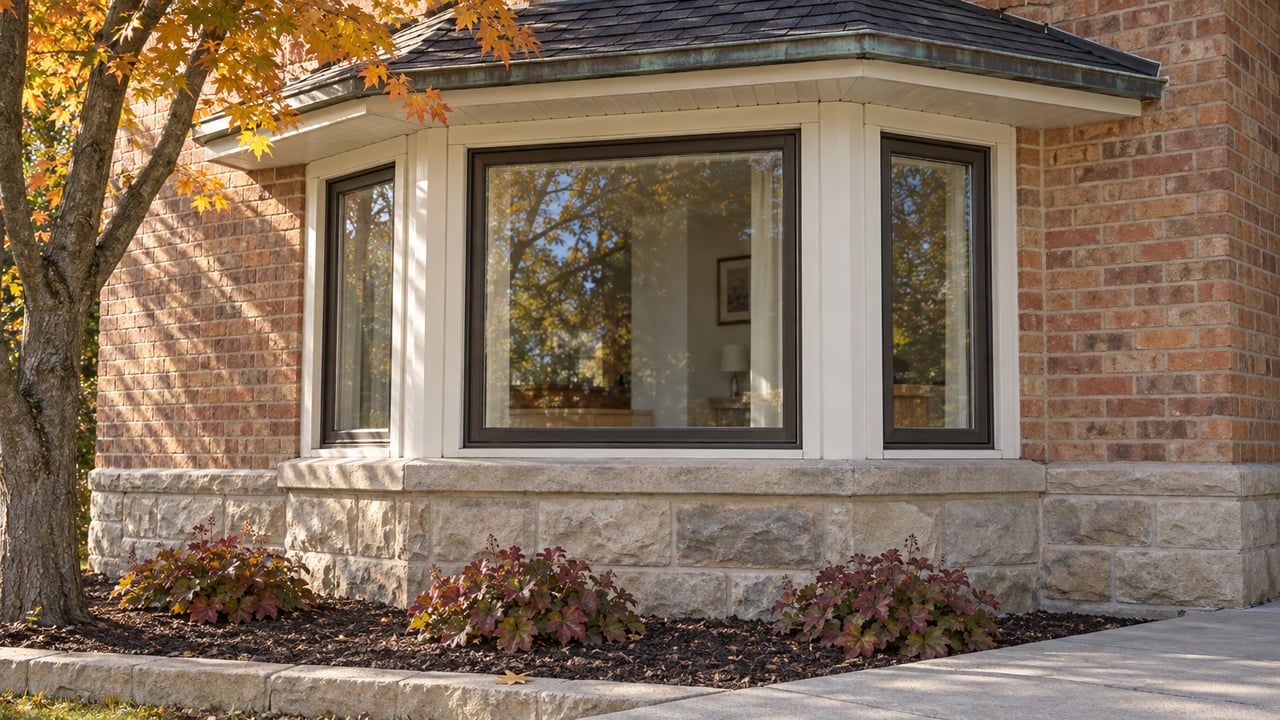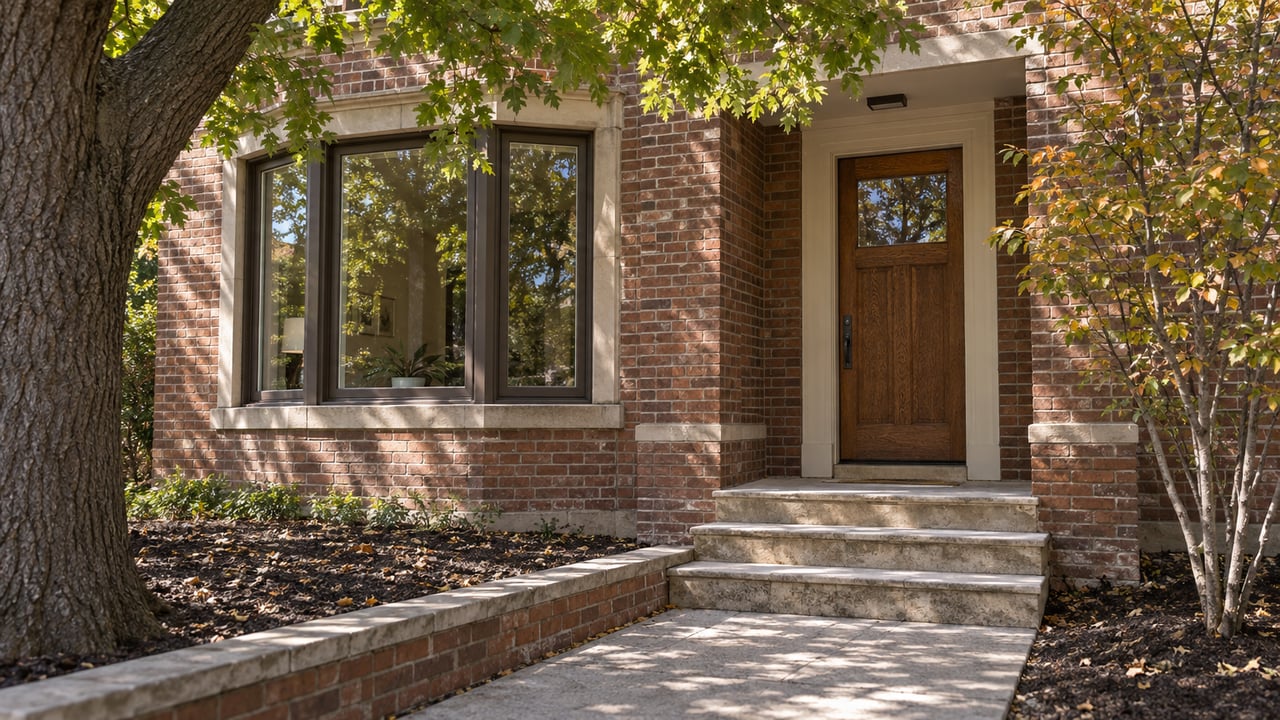
In 2024, a homeowner in the Country Club Historic District went before Denver's Landmark Preservation Commission with a renovation plan that seemed straightforward on paper. The commission approved it, but only after attaching specific conditions: a particular brick finish, a set stucco thickness, divided-light window standards, and a four-foot cap on front-yard fencing. None of that came from a generic checklist. It came from guidelines written for this district and no other, and it is worth knowing before you assume a citywide policy change means anything for your own project.
That distinction matters right now because Denver did just update its landmark preservation rules. The city's Design Guidelines for Landmark Structures and Districts took effect March 3, 2026, replacing language that had been in place since a 2022 revision. If you searched "Denver landmark rules 2026" while house hunting or planning a renovation in Country Club, you likely found news of that update. What you may not have found is that Country Club has operated under its own district-specific design guidelines since the neighborhood's landmark designation was passed by City Council on August 6, 1990. Those guidelines sit alongside the citywide framework, not underneath it, and the March update did not touch them.
Two Rulebooks, Only One Got Rewritten
Denver's landmark preservation system works in layers. There is the general ordinance and design guidance that applies to every landmark structure and historic district in the city, and then there are guidelines written for individual districts where the commission decided the general rules needed more specificity. Country Club got its own guidelines in 1990, the same year the district itself was designated, covering four subdistricts: Country Club Place, Park Club Place, Country Club Annex, and Park Lane Square. Part of the neighborhood was already listed on the National Register of Historic Places in 1979, more than a decade earlier, but that listing is honorific. It does not restrict what an owner can do. The 1990 local landmark designation is what triggers actual design review, and it is the document that still governs today.
So when the citywide guidelines were rewritten this spring, the update touched things like general preservation standards, masonry treatment guidance, and process rules that apply across all of Denver's more than 50 historic districts. It did not rewrite Country Club's setback rules, its floor area ratio target, or its material standards. A buyer or seller who reads about the March update and assumes the district got more flexible is working from the wrong document.
What the Country Club Guidelines Actually Require
The district's own design guidelines, which you can read in full on the city's Landmark Preservation site, focus on preserving the sense of space that makes the neighborhood distinct. The specifics that come up most often in practice:
- A historic floor area ratio around 0.30, meaning new construction and major additions are measured against how much of the lot the original homes actually covered, not against what current zoning might otherwise allow.
- Front setbacks typically ranging from 20 to 40 feet, with side yards treated as a defining feature of the district rather than leftover space.
- Ridge lines that rarely exceed 40 feet, since longer or higher rooflines can break up the visual rhythm the guidelines are trying to protect.
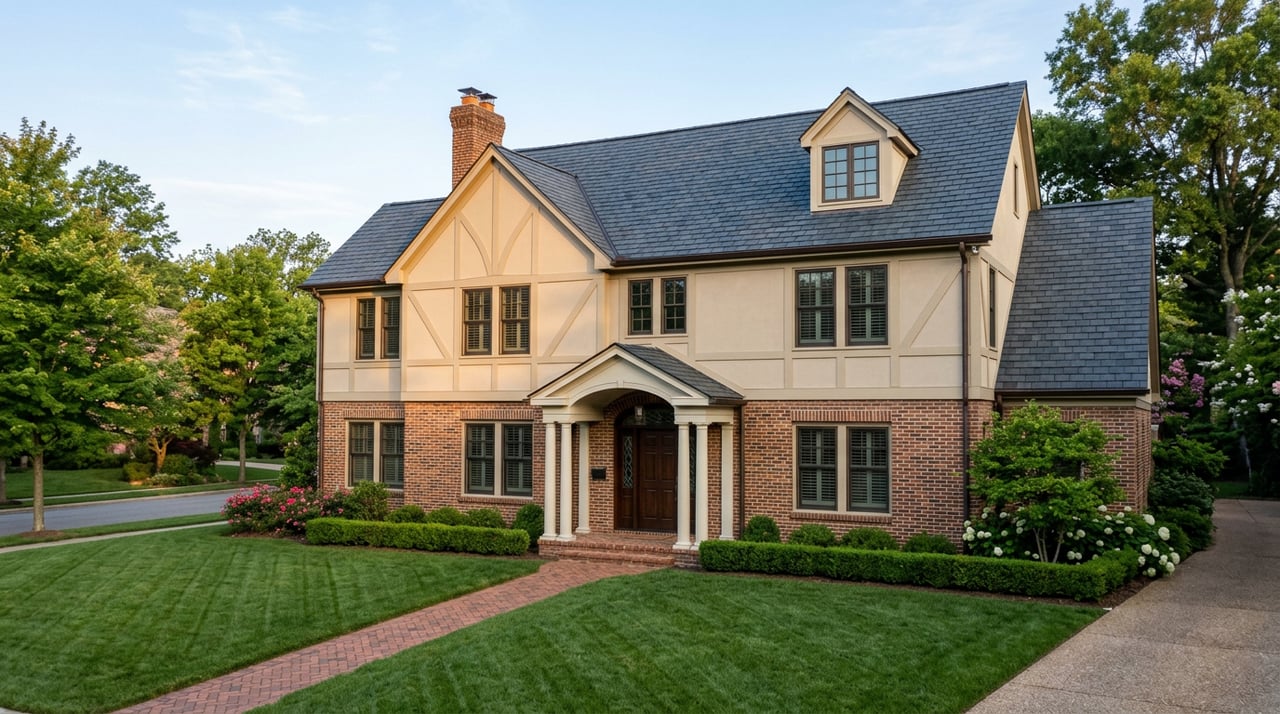
- Brick and stucco as the dominant materials, with new work expected to read as compatible rather than identical.
- A citywide rule, which also applies here, against vinyl windows and doors on landmark properties.
- A preference for garages set at the rear or side of the lot rather than facing the street, and caution around front-yard fencing that blocks the open feel the guidelines describe as "living in a park."
- Preservation of the district's gateway monuments, three of the four subdistricts have them, with the Franklin Street Gateway singled out in the guidelines as the largest and most elaborate.
None of this means a home in Country Club is frozen in place. It means the path to a front porch rebuild, a new garage, or a re-sided exterior runs through a specific, documented set of expectations that predates this year's citywide update by more than three decades.
How the Certificate of Appropriateness Actually Works
If a property sits inside the district and the planned work needs a building, zoning, encroachment, or curb-cut permit, Landmark Preservation review has to happen first. The city issues what's called a Certificate of Appropriateness once a project is approved, and that approval has to come before the building permit is issued, not alongside it or after. Smaller, routine work can often move through administrative review fairly quickly. Larger or more visible changes, additions, new construction, anything touching the roofline or front elevation, typically go to a public hearing in front of the full commission.
This is where timelines get real. A buyer who plans to close and start construction the following month may find that the design review step alone adds weeks, and a project like the 2024 case, where the commission specified brick finish and stucco thickness down to the detail, suggests review can go deeper than a simple yes or no. Anyone with renovation plans is better served by a pre-application conversation with Landmark Preservation staff before they are far along in design, and definitely before they are under contract with a tight inspection window.
What "Denver Country Club" Prices Are Actually Describing
Search three different sites for pricing in Country Club and you will get three different numbers, and the gap is wide enough to matter. As of January 2026, one aggregator showed a median home price of $1,899,000 across seven active listings ranging from $475,000 to $3.9 million, with homes averaging 44 days on market. By March 2026, another source using a broader luxury data feed put the median listing price at $2,647,500 with a median of 42 days on market and homes selling about 1.14 percent below asking. A third source, filtering specifically for what it labeled "vintage" homes in the district as of March 2026, showed a median listing price of $3.9 million with homes staying just 18 days and drawing three offers on average.
| Source and date | Median price | Days on market | What it's likely measuring |
|---|---|---|---|
| January 2026 aggregator | $1,899,000 | 44 | Full range of active listings, including the $475K end of the boundary |
| March 2026 luxury feed | $2,647,500 | 42 | Broader Country Club boundary, not filtered by contributing status |
| March 2026, vintage filter | $3.9 million | 18 | Homes specifically flagged as historic or vintage inventory |
None of these numbers are current as of today, and none should be quoted as this month's market. What they show, taken together, is that "Denver Country Club" as a search term covers both the roughly 380 homes inside the formally landmarked core and a wider surrounding area that shares the name but not the design review requirements. A buyer comparing a $1.9 million listing against a $3.9 million one in the same "neighborhood" may be comparing a home outside the landmark boundary against one squarely inside it, with very different renovation rules attached to each.
For broader context, Denver's overall housing market as of August 2026 showed a median close price of $594,495 across the metro, with detached homes at $649,500 and attached homes at $370,000, according to the Denver Metro Association of Realtors. Attached luxury properties averaged 99 days on market that month, a sharp jump from a year earlier, while detached homes at higher price points continued to move at a steadier pace. That pattern lines up with what the district's own data suggests: detached historic homes here, the kind actually subject to the 1990 design guidelines, tend to move faster than the metro's struggling attached luxury segment.
The Tax Credit Buyers Forget to Ask About
There is a financial offset that rarely comes up in showings. Homes more than 50 years old and located within a designated historic district, which describes most of the housing stock inside Country Club's boundary, can qualify for the Colorado Historic Preservation Income Tax Credit on qualifying rehabilitation expenses. It applies to owners and to tenants with a lease of five years or more, and the Landmark Preservation Commission reviews applications for it. For a buyer weighing the cost of design-review-compliant materials against a faster, less compliant approach elsewhere, this credit is worth asking about before ruling out a full restoration.
What This Means If You're Buying or Selling Here
If you are buying with renovation plans, treat the district's own guidelines as the operative document, not the citywide update. Ask for the property's permit and approval history before you write an offer, and if your plans involve anything visible from the street, build the design review timeline into your closing schedule rather than your move-in date.
If you are selling, resist the instinct to treat an exterior refresh as an automatic value-add. A new fence, a repainted brick facade, or a garage relocation can all trigger review, and a project that stalls in front of the commission mid-listing creates more friction than a home that goes to market as-is with its history intact. The stronger position, backed by what buyers are actually paying for in this district, is presenting the home's provenance and documented stewardship rather than a rushed cosmetic update.
Does the March 2026 citywide update change what I can do to my house in Country Club? No. The update applies to Denver's general landmark framework. Country Club's own design guidelines, adopted in 1990, remain the specific standard the commission applies here.
Do interior renovations need Landmark approval? Generally no, as long as the work does not alter the exterior appearance or involve structural changes visible from the street. Plumbing, wiring, and finish work inside the home typically follow standard permitting.
Is every home inside the Country Club boundary subject to these design guidelines? Not necessarily. The formally landmarked historic district covers roughly 380 homes built mostly between 1902 and 1945. Properties just outside that boundary may share the neighborhood name without the same review requirements, which is part of why pricing across the area varies so widely.
If you are weighing a purchase or a listing in Country Club and want a clear read on what a specific address can and can't do under these guidelines, Julie Winger has spent years working through exactly this kind of due diligence with buyers and sellers in Denver's historic districts. Schedule a neighborhood consultation to talk through your address, your timeline, and what the district's rules actually mean for your plans.